HVAC System Commissioning and Startup Procedures: Professional Guide for North Texas
HVAC system commissioning and startup procedures for North Texas. Systematic protocols for optimal performance and reliability.
- The Critical Importance of Professional System Commissioning
- North Texas Commissioning Challenges
- Pre-Commissioning Preparation Phase
- Testing Equipment and Documentation Preparation
- Electrical System Commissioning
- Gas System Safety Commissioning
- Refrigerant System Commissioning
- Airflow System Commissioning
+ 20 more sections below...
- The Critical Importance of Professional System Commissioning
- North Texas Commissioning Challenges
- Pre-Commissioning Preparation Phase
- Testing Equipment and Documentation Preparation
- Electrical System Commissioning
- Gas System Safety Commissioning
- Refrigerant System Commissioning
- Airflow System Commissioning
+ 20 more sections below...
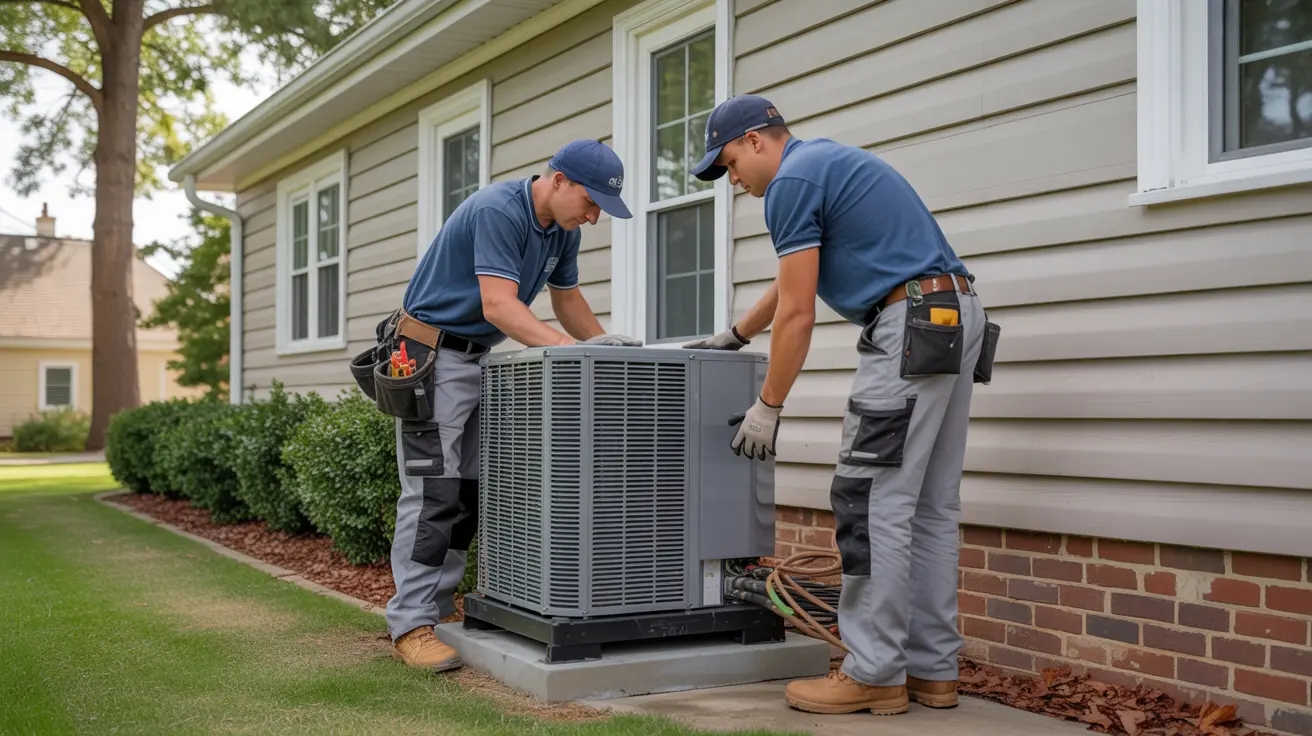
Professional HVAC commissioning in North Texas runs $500-$2,000 and typically bumps system efficiency by 15-25%, while catching about 70% of problems that would otherwise show up in the first year. We’re talking full safety checks, performance testing (capacity within 5% of rated, temperature control within ±2°F), airflow balanced to 350-450 CFM per ton, refrigerant charge dialed in, and walking the homeowner through everything. Without commissioning, I’ve seen $18,500 systems deliver 45% higher energy bills and nonstop comfort complaints. Because just bolting equipment in place doesn’t mean it’s actually working right.
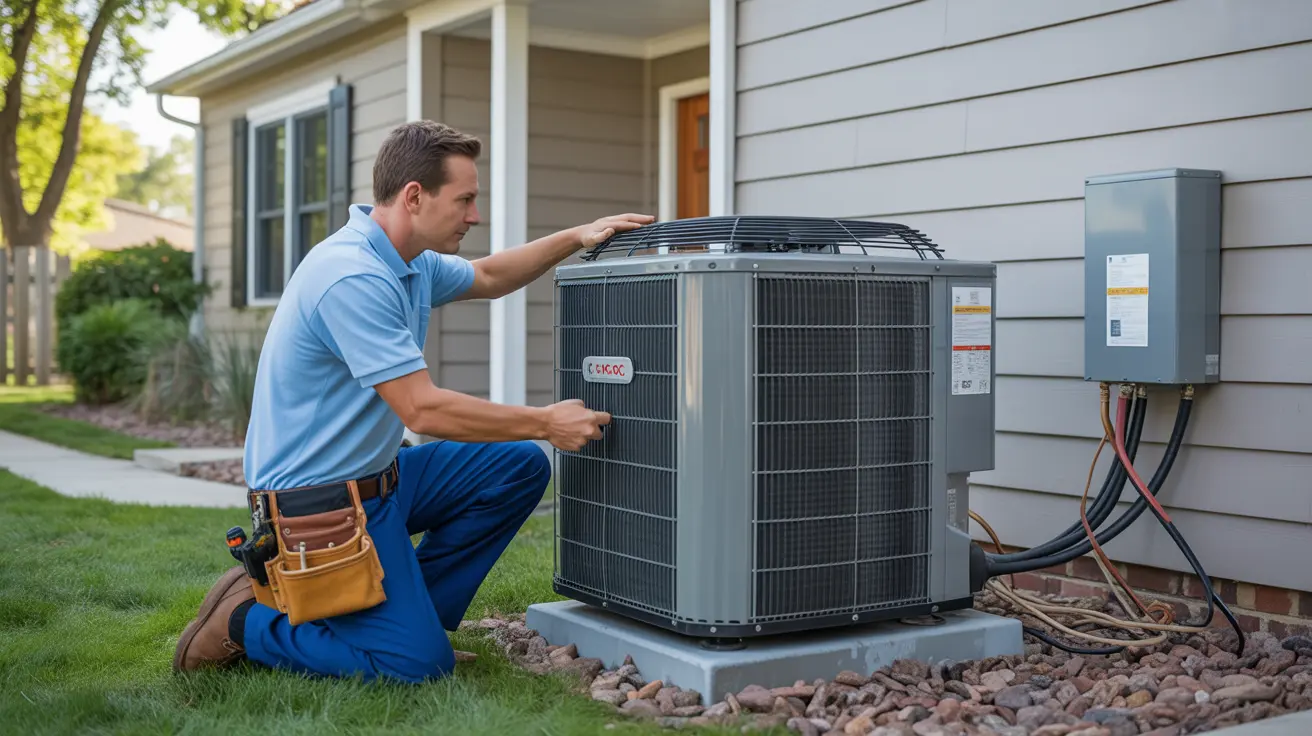
The Critical Importance of Professional System Commissioning
I got called out to a house in Allen last year that still bugs me. The Thompson family had just spent $18,500 on a top-of-the-line variable-speed system. Great equipment. The installer put it in, fired it up, said “looks good,” and drove off.
Six months later, things started falling apart. Their electric bills were running 45% higher than what the efficiency ratings promised. Bedrooms were 6 degrees warmer than the living room. The system kept short cycling so it never pulled humidity out of the air. They had three service calls in the first year, and none of them were cheap.
When I finally got my hands on it, the problem was obvious. Nobody ever commissioned this thing. Controls were set wrong. Airflow was all over the place. Refrigerant charge was off. The safety systems hadn’t been tested once. An $18,500 system running like a $5,000 one because somebody skipped four hours of work.
That’s what proper commissioning prevents. You verify every component is actually doing its job. You tune the system so it runs as efficiently as possible. You catch problems while they’re small and free to fix instead of waiting for them to become expensive breakdowns. And you document everything so the next tech who touches it has a real baseline to work from.
Most contractors skip this step entirely. I won’t sugarcoat it. Commissioning typically improves efficiency by 15-25% and prevents the majority of first-year headaches. It’s the difference between “installed” and “actually working.”
North Texas Commissioning Challenges
Here’s the thing about commissioning in North Texas specifically: our climate is brutal and unforgiving. It will find every single weakness in an installation.
When it’s 105°F outside with humidity that makes your shirt stick to your back, a system that was “close enough” on refrigerant charge or airflow will absolutely crumble. You need to verify the unit can handle extreme heat loads. You need to test for those 40-degree temperature swings we get in spring and fall where it’s furnace weather in the morning and AC weather by 2pm. You need humidity control testing because North Texas humidity is no joke, especially east of 75.
Storm season adds another layer. Power surges, outages, lightning. If backup systems aren’t integrated and tested properly during commissioning, you find out they don’t work at the worst possible time.
Then there’s the system complexity factor. Multi-zone systems need careful balancing and control integration. Smart home setups need their own commissioning. If there’s a generator or battery backup, that’s more testing. I’ve seen homes with building automation where the HVAC, lighting, and security all talk to each other, and if you don’t commission that integration properly, things get weird fast.
Pre-Commissioning Preparation Phase
Installation Verification and Documentation Review
Before I touch a single gauge or meter, there’s homework to do. I need to know the installation was done right before I start testing performance.
1. Installation Quality Verification
Installation Verification Checklist:
□ Equipment installation per manufacturer specs
□ Electrical connections properly terminated and tested
□ Refrigerant lines properly sized and insulated
□ Gas piping sized and tested for leaks
□ Ductwork properly sealed and insulated
□ All safety devices installed and connected
□ Permits obtained and inspections completed
2. System Documentation Review I pull load calculations and compare them against what’s actually installed. Did they size this right? I check as-built drawings against what’s in the field because drawings and reality don’t always agree. Manufacturer manuals get reviewed for specific commissioning requirements since every brand has its quirks. Warranty docs tell me what needs to happen to keep coverage active. And I verify code compliance because if the city inspector hasn’t signed off, we’re not starting.
3. Safety and Code Compliance Verification All electrical work gets tested for safety and code compliance. Gas lines get leak tested end to end. Refrigerant system gets a leak check and EPA compliance verification. I confirm every mechanical and electrical code requirement is met. And I make sure all permits are closed out and inspections are passed. Nobody wants a surprise when they go to sell the house.
Testing Equipment and Documentation Preparation
I show up to a commissioning with about $15,000 worth of tools in the van. This isn’t a wrench-and-screwdriver job.
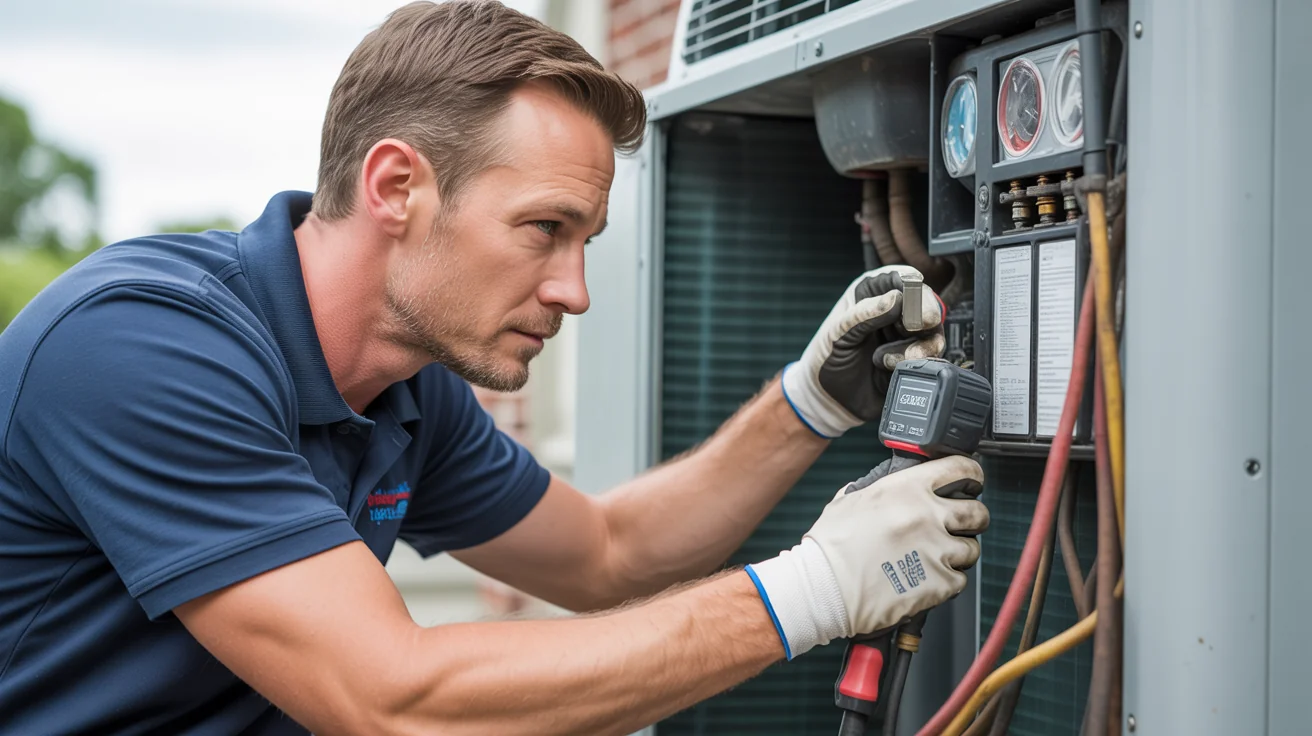
1. Performance Testing Equipment Digital manifolds for real-time pressure and temperature monitoring. A combustion analyzer for gas furnace efficiency and safety testing. Flow hoods and anemometers for precise airflow measurement. Electrical testing equipment for everything from voltage to amp draw to capacitance. And a thermal imaging camera, which is honestly one of my favorite tools because it shows you heat distribution issues and bad electrical connections that you’d never catch otherwise.
2. Documentation Systems
Commissioning Documentation Requirements:
Installation verification forms that confirm equipment placement, connections, and code compliance. Performance data sheets where I record every temperature, pressure, and electrical reading. Sequence of operations documents showing startup, running, and shutdown behavior. Safety test records covering every pressure switch, flame sensor, and electrical safety device. Customer training materials so the homeowner actually understands what they've got. Warranty activation paperwork to protect the investment.
Phase 1: System Safety and Compliance Verification (90-120 minutes)
Electrical System Commissioning
I start with electrical because if the power isn’t right, nothing else matters.
1. Power Supply and Distribution Testing Voltage stability gets measured first. I want to see consistent voltage without big swings or phase imbalance. Then I compare actual electrical loads against what was calculated to make sure breakers and wiring are sized correctly. Overcurrent protection gets verified because an undersized breaker is a fire hazard and an oversized one won’t trip when it should. Grounding gets tested thoroughly. And every GFCI and safety device gets physically tested. Not just “it’s installed,” but “it actually trips when it’s supposed to.”
2. Control System Integration Testing Thermostat testing means running through every mode, every setting, every programming option. Safety interlocks get tested by actually triggering them to verify the system shuts down properly. If there’s a communicating system, I verify the data network is solid. Multi-stage and multi-zone sequencing gets verified step by step. And I test manual overrides and emergency modes because those get used during the worst moments and they better work.
Gas System Safety Commissioning
Gas work is where I get extremely careful. There’s no room for “close enough” when you’re dealing with combustion.
1. Gas Supply and Distribution Testing
Gas System Testing Protocol:
Supply pressure verification: looking for 7" WC typical residential pressure to confirm adequate fuel delivery. Manifold pressure testing: verifying 3.5" WC for natural gas so the burners fire correctly and efficiently. Complete gas leak testing using electronic detection on every supply line, connection, and valve. Gas valve operation testing through startup, modulation, and shutdown cycles. Safety shutoff verification to make sure the system kills gas flow when it detects a problem.
2. Combustion System Safety Testing I check the heat exchanger visually and with pressure testing. A cracked heat exchanger can put carbon monoxide into your house, so this isn’t optional. Combustion analysis measures CO, CO2, and O2 levels, and I calculate efficiency from those readings. Draft gets verified because poor venting means poor combustion and potential backdrafting. I watch the flame pattern for stability and proper characteristics. And I run ambient CO testing around the equipment because even small leaks need to be caught.
Refrigerant System Commissioning
This is where a lot of installers phone it in. “Charge feels about right.” That’s not commissioning. That’s guessing.
1. System Integrity and Leak Testing I pressure test to 1.5 times design pressure. Then electronic leak detection on every joint, fitting, and valve. The system gets evacuated to deep vacuum to pull out moisture and non-condensables. Refrigerant charging is done by weight and verified by superheat and subcooling readings. Not by feel. Not by “it’s cold enough.” By the numbers.
2. Performance Testing and Optimization I measure actual cooling and heating capacity and compare it to the nameplate rating. Energy efficiency gets measured, not assumed. Operating pressures get checked across different conditions because a system that works at 85°F might struggle at 103°F. Temperature differential across the coil tells me the heat exchangers are doing their job. And I verify the refrigerant system integrates properly with the control board.
Phase 2: Performance Testing and Optimization (120-180 minutes)
Airflow System Commissioning
I’ll be honest, airflow problems are the number one thing I find on systems that were never commissioned. Somebody hooks up the ductwork, turns it on, feels air coming out of the vents, and calls it done. That’s not how this works.
1. System Airflow Verification
Airflow Testing Procedures:
- Total system airflow measurement (should match design CFM ±10%)
- Static pressure testing throughout system
- Individual room airflow measurement and balancing
- Return air adequacy verification
- Ductwork leakage testing and quantification
2. Air Distribution Optimization Room by room, I measure and balance airflow. The master bedroom shouldn’t get twice the air that the kids’ rooms get, but I see that constantly. Temperature uniformity testing tells me whether the house has hot and cold spots. I verify humidity control is working because in North Texas, a system that cools but doesn’t dehumidify leaves you cold and clammy. Indoor air quality gets measured and documented. And I check ventilation effectiveness because fresh air needs to actually reach the spaces that need it.
Heating System Performance Commissioning
People forget about heating commissioning in Texas. “It barely gets cold here.” Tell that to the family whose furnace died during that February freeze.
1. Heating Capacity and Efficiency Testing I measure actual heat output against the rated capacity. Combustion efficiency gets calculated and I optimize if there’s room for improvement. Temperature rise across the heat exchanger has to fall within manufacturer specs. Cycling behavior gets tested because a furnace that short cycles or runs too long has a problem. And every heating safety system gets tripped intentionally to verify it works.
2. Heat Distribution Testing Temperature testing room by room tells me if heat is distributing evenly. Comfort zones get verified because what good is a furnace if the back bedroom is still freezing? Winter humidity management gets checked since heated air is dry air and that creates its own problems. I measure system response time and temperature control accuracy. And if there’s backup heating like a heat pump with emergency strips, that gets tested too.
Cooling System Performance Commissioning
This is the big one for North Texas. Your AC is going to run 6-8 months out of the year, and when summer peaks hit, it better perform.
1. Cooling Performance Testing
Cooling Performance Verification:
- Cooling capacity measurement (should meet design needs)
- Energy efficiency measurement and comparison to ratings
- Refrigerant system performance optimization
- Temperature and humidity control verification
- System cycling and control testing
2. Peak Load Performance Testing I test during the hottest part of the day whenever possible. You want to know how this system handles 100+ degree heat, not how it runs at 8am in March. Humidity removal gets measured separately because latent cooling capacity matters a lot when it’s muggy. I run the system continuously to verify it holds up during extended operation. Peak demand testing pushes the system to its limits. And recovery testing tells me how long it takes to pull the house back down after a setback - like when someone leaves the back door open for twenty minutes.
Phase 3: Control System Commissioning (90-150 minutes)
Thermostat and Control Integration
Modern thermostats and control systems have gotten incredibly capable, which also means there’s a lot more to commission.
1. Basic Control Function Testing Temperature control accuracy: I verify the setpoint actually matches what the thermostat is reading and that it holds stable. Mode changeover testing: switching between heat, cool, and auto needs to be seamless. Programming: every scheduling feature, every setting, tested. The display and interface: all buttons work, screens are readable, app connects. And if there’s network communication or remote access, I verify that too.
2. Advanced Control Feature Testing Smart learning features need time to calibrate, but I verify they’re active and configured correctly. Weather integration, if the system supports it, gets set up and tested. Peak demand or utility program integration. Zone control coordination for multi-zone homes. And emergency modes because if the system has a fallback mode, I need to know it actually kicks in.
Safety and Protection System Testing
I take safety testing personally. If a high-pressure switch doesn’t trip, that compressor is going to grenade. If a flame rollout switch doesn’t work, someone could get hurt.
1. Electrical Safety System Testing
Safety System Testing Protocol:
- High/low pressure switch testing (refrigeration systems)
- Temperature limit switch testing (heating systems)
- Current overload protection testing
- Ground fault protection verification
- Emergency shutdown system testing
2. Gas Appliance Safety Testing Flame rollout switches get tested because improper combustion needs to shut things down immediately. High temperature limit switches get tripped to verify overheating protection. Gas valve safety is tested through proper operation and shutoff sequences. Combustion air proving confirms the furnace has adequate air supply. And vent blockage detection gets checked because a blocked flue is a CO hazard.
Multi-Zone and Advanced System Commissioning
Zoned systems and variable-speed equipment are where commissioning really earns its money. These systems are powerful but they’re also complex, and the interactions between zones and stages create problems that simpler systems just don’t have.
1. Zoning System Commissioning Every zone gets tested independently for temperature control. All dampers get verified for full open and full close operation. The bypass system, if there is one, gets tested to make sure it protects the equipment when most zones are closed. Zone sensors get calibrated against a reference thermometer. And central control coordination gets verified so the zones play nice together instead of fighting each other.
2. Variable Speed System Commissioning Speed control across the full range gets tested. Staging integration with the variable speed equipment has to work smoothly. Efficiency gets optimized because variable speed done wrong can actually use more energy than single speed. Comfort improvements get verified through temperature stability testing. And communication between the variable speed equipment and the control board gets confirmed.
Phase 4: Documentation and Customer Education (60-90 minutes)
Performance Documentation and Reporting
This is the part most techs hate, so they skip it. I get it. Paperwork isn’t fun. But documentation is what separates commissioning from “I checked it and it seems fine.”
1. Performance Test Results
Commissioning Test Documentation:
- All safety test results and verification
- Performance test measurements and calculations
- System capacity and efficiency verification
- Control system operation verification
- Deficiency identification and correction
2. System Operation Documentation I put together operating procedures so anyone can understand how the system runs. Maintenance requirements with timing so the homeowner knows when filters need changing and when to call for service. Warranty information gets organized and filed. Emergency procedures get documented clearly. And performance baselines get recorded so that next year, or five years from now, a tech can compare current readings against what the system did when it was brand new.
Customer Training and Education
I spend real time on this part. It surprises people sometimes. But a homeowner who understands their system takes better care of it, catches problems earlier, and doesn’t panic when something normal happens.
1. System Operation Training Thermostat walkthrough: I show them every feature they’ll actually use and skip the ones they won’t. System controls: what they can touch and what they should leave alone. Filter replacement: what filter to buy, where it goes, how often to change it. Basic maintenance tasks they can handle safely. And energy management tips because the right settings save real money.
2. Troubleshooting and Emergency Procedures I teach them the basics. “If it does this, try that. If this light comes on, it means this.” Emergency shutdown procedures so they can safely kill the system if something seems wrong. How to schedule maintenance and when to call for service. Warranty coverage so they know what’s included. And what to watch for in terms of performance changes that signal something needs attention.
Quality Assurance and Performance Verification
Commissioning Quality Standards
I hold myself to specific numbers. Not “it feels right” or “seems to be working.” Actual measurable standards.
1. Performance Verification Standards
Commissioning Performance Standards:
- Cooling capacity: Within 5% of rated capacity
- Heating capacity: Within 5% of rated capacity
- Energy efficiency: Meeting or exceeding rated efficiency
- Temperature control: ±2°F of thermostat setting
- Safety systems: 100% operational and tested
If the system can’t hit these marks, we’re not done. Something needs adjusting, repairing, or replacing before I sign off.
2. Documentation Quality Standards Every test has to be completed and documented. Actual performance gets compared against design specs with any gaps noted and explained. Every deficiency found during commissioning gets fixed before I leave. Customer training is completed and the homeowner signs off. And all equipment warranties are properly activated because I’ve seen manufacturers deny warranty claims over missing registration.
Follow-Up and Ongoing Support
Commissioning doesn’t end when I drive away. That first month of operation tells you a lot.
1. Performance Monitoring I follow up at 30 days to check that everything is still running right. Seasonal checks happen during peak heating and cooling to verify performance under real load. Annual assessments keep the system optimized over time. And I check in with the homeowner because their experience matters. If they’re not comfortable, something still needs work.
2. Ongoing Optimization Systems can be tuned further as you gather operating data. Efficiency improvements come from understanding how the home actually behaves across seasons. Control settings get refined. When manufacturers release updates, those get applied. And I keep the homeowner educated because their habits affect system performance more than most people realize.
Regional Commissioning Considerations
Dallas-Fort Worth Metro Commissioning
Urban commissioning has its own quirks. Utility peak demand programs need to be integrated and tested. Air quality systems tend to be more sophisticated in metro homes and need thorough commissioning. Noise control matters more when neighbors are close. And grid stability issues, which are real in DFW during peak summer, mean the electrical system needs to handle voltage fluctuations gracefully.
Suburban and Rural Commissioning
Out in the further reaches of our service area, different challenges show up. Backup power systems are more common and need proper integration testing. Well water systems can affect water-source equipment. Remote monitoring becomes more important when service response times are longer. And propane systems, which we see in some of the more rural areas around McKinney and Prosper, have their own specialized commissioning procedures.
Cost-Benefit Analysis of Professional Commissioning
Commissioning Investment Analysis
Let me be straight about what this costs. Basic commissioning on a straightforward residential system runs $500-1,000. A complex system with zoning, variable speed equipment, and smart home integration is $1,000-2,000. Commercial work starts at $2,000 and goes up from there depending on size. Specialty systems with geothermal, VRF, or other advanced technology run $1,500-5,000.
Is it worth it? Every time. Here’s why.
Performance optimization delivers 10-20% efficiency improvement. That pays for itself within a year or two on most systems. Problem prevention cuts first-year service issues by about 60%. Warranty protection stays intact. Comfort is actually what the system promised. And long-term, properly commissioned systems last longer and need less repair.
Value Proposition Analysis
When I look at what homeowners get for their commissioning investment, it’s honestly hard to argue against it:
Professional Commissioning Value:
- Immediate performance optimization
- Problem prevention and early detection
- Complete system documentation and training
- Warranty protection and manufacturer support
- Performance guarantee and ongoing support
- Priority service when you need help
Compare that against what the Thompsons went through. Three service calls, 45% higher bills, rooms that never got comfortable. They spent more fixing problems in year one than commissioning would have cost upfront.
Frequently Asked Questions
Q: What is HVAC system commissioning and why is it important? A: It’s the process of methodically testing and verifying that your HVAC system actually performs the way it was designed to. Not just “does it turn on” but “is it running safely, efficiently, and delivering the comfort it should.” I’ve found that proper commissioning catches the majority of problems that would otherwise surface during the first year.
Q: How long does professional HVAC commissioning take? A: For a typical residential system, plan on 4-8 hours. I know that sounds like a lot, but we’re testing electrical, refrigerant, airflow, controls, and safety systems, then documenting everything and training the homeowner. Commercial systems can take days or even weeks depending on complexity.
Q: What’s the difference between commissioning and startup? A: Startup is just turning the equipment on and making sure it runs. Commissioning is the whole nine yards. Testing, measuring, optimizing, documenting, and training. Startup tells you the system turns on. Commissioning tells you it works correctly.
Q: Is commissioning required for all HVAC installations? A: Legally required? Not always. But a lot of manufacturers require it for full warranty coverage, and I’d argue it should be standard practice on every install. You wouldn’t buy a new car and skip the test drive. Same idea.
Q: What happens if problems are found during commissioning? A: We fix them. That’s the whole point. Every issue found during commissioning gets corrected before I sign off. Better to catch a bad connection or wrong setting now than after it’s caused real damage.
Q: How much does professional HVAC commissioning cost? A: $500-2,000 for most residential systems. Given that it improves efficiency by 15-25% and prevents expensive first-year failures, most homeowners see a return on that investment pretty quickly.
Q: What is done when an HVAC/R system is commissioned?
Here’s the full breakdown of what I do, step by step:
1. Pre-startup inspection (30-60 minutes)
- Verify all electrical connections are secure
- Check refrigerant line insulation and connections
- Inspect ductwork connections and sealing
- Confirm condensate drain is properly installed
- Review all safety device installations
2. Electrical system testing (30-45 minutes)
- Measure voltage at equipment and thermostat
- Test amp draw on compressor, blower, and fan motors
- Verify contactor and relay operation
- Check capacitor values match specifications
- Test all safety controls (high-pressure, low-pressure, thermal limits)
3. Refrigerant system verification (45-90 minutes)
- Measure superheat and subcooling
- Compare to manufacturer targets (typically 10-15°F superheat, 8-12°F subcooling)
- Adjust charge if needed
- Check for leaks using electronic detector
- Document final charge weight
4. Airflow measurement and balancing (60-120 minutes)
- Measure total system CFM (target: 350-450 CFM per ton)
- Test static pressure (should be under 0.5” WC)
- Balance airflow to each room/zone
- Adjust dampers for proper distribution
- Verify filter fitment and MERV rating
5. Controls and thermostat setup (30-45 minutes)
- Program heating and cooling setpoints
- Configure fan settings (auto vs continuous)
- Set up scheduling if smart thermostat
- Test heating/cooling mode switching
- Verify emergency heat operation (heat pumps)
6. Performance documentation (15-30 minutes)
- Record all measurements on commissioning form
- Note equipment model/serial numbers
- Document refrigerant charge
- Create baseline for future service comparison
- Provide homeowner with commissioning report
7. Customer training (15-30 minutes)
- Explain thermostat operation
- Review filter maintenance schedule
- Discuss what sounds/behaviors are normal
- Provide emergency contact information
- Answer questions about system operation
Total commissioning time: 4-8 hours for residential systems.
Q: What are four areas that need to be checked during HVAC start-up?
The four areas you absolutely cannot skip:
1. Electrical system
- Verify proper voltage at the disconnect (should be within 10% of nameplate)
- Check amp draw on compressor and motors against specifications
- Confirm all connections are tight and properly terminated
- Test safety controls and circuit protection
2. Refrigerant system
- Measure superheat (typically 10-15°F at evaporator)
- Measure subcooling (typically 8-12°F at condenser)
- Check for refrigerant leaks using electronic detector
- Verify charge matches manufacturer specifications
3. Airflow and ductwork
- Measure total system CFM (target 350-450 CFM per ton)
- Test static pressure across coil (under 0.5” water column)
- Verify all registers and returns are open
- Check filter installation and condition
4. Controls and safety devices
- Test thermostat operation in all modes
- Verify high-pressure and low-pressure cutouts function
- Confirm condensate safety switch works
- Test emergency heat operation (heat pumps)
These four areas cover the core systems that determine whether your HVAC will run safely, efficiently, and reliably. Skip any one of them and you’re rolling the dice on equipment damage, poor performance, or a safety hazard.
Take Action: Schedule Professional System Commissioning
If you’ve got a new system that was never properly commissioned, or you’re planning an install and want it done right, don’t leave performance on the table. Commissioning is one of the best investments you can make in your HVAC system.
Ready for professional HVAC system commissioning? Call (940) 390-5676 for expert commissioning and startup services. Schedule online at jupitairhvac.com/contact. Ask about our commissioning packages and performance guarantees.
Professional Commissioning Services
Jupitair HVAC provides full commissioning services throughout North Texas. Our team brings advanced training, the right equipment, and a genuine commitment to getting your system running at its best. Every system we commission comes with a performance guarantee, complete documentation, and thorough homeowner training. We’ve been doing this since 2008, and we take it seriously.
Professional HVAC commissioning is the difference between a system that was installed and a system that actually works. If you want peak performance, real efficiency, and peace of mind from day one, that’s what we deliver.
Jupitair HVAC - Your North Texas commissioning experts since 2008. Licensed & Insured.
Sources & References
The commissioning standards and startup procedures in this article are based on the following authoritative sources:
- ASHRAE Guideline 0 - Commissioning Process - Industry commissioning standards
- ACCA - Quality Installation - Installation verification standards
- U.S. Department of Energy - HVAC Commissioning - Federal commissioning guidance
- Building Commissioning Association - Professional commissioning standards
- NATE Certification - Technician competency verification
- Texas Department of Licensing - HVAC - State contractor licensing
Last Updated: January 2026
Need Professional HVAC Service?
Our certified technicians are ready to help with any HVAC needs in North Texas