Commercial HVAC Equipment Selection Guide: Professional System Design & Installation
Commercial HVAC equipment selection guide: system types, sizing, efficiency, and installation for North Texas businesses.
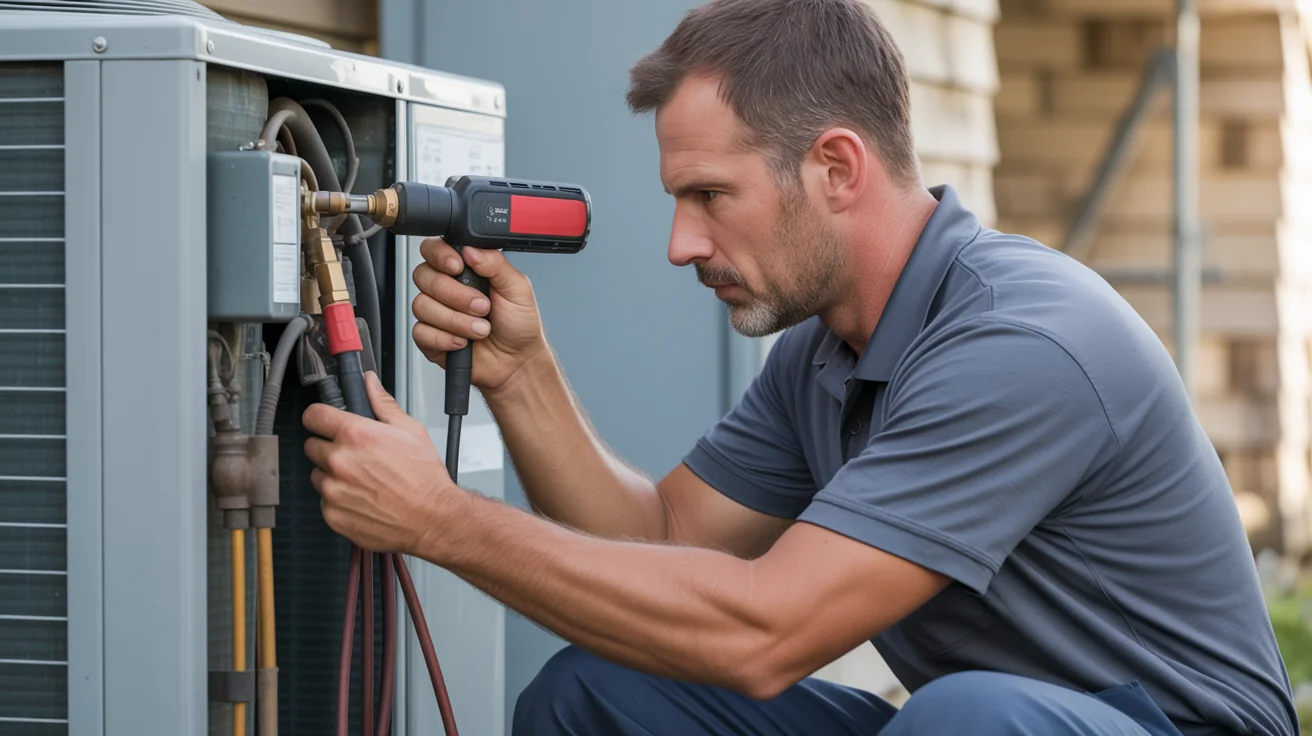
- Professional Commercial HVAC Equipment Selection Excellence
- Why Commercial HVAC Equipment Selection Is Critical
- Commercial HVAC System Types and Applications
- Energy Efficiency and Performance Standards
- Equipment Selection by Business Type
- Maintenance and Service Considerations
- Return on Investment Analysis
- Professional Commercial HVAC Equipment Selection Excellence
- Why Commercial HVAC Equipment Selection Is Critical
- Commercial HVAC System Types and Applications
- Energy Efficiency and Performance Standards
- Equipment Selection by Business Type
- Maintenance and Service Considerations
- Return on Investment Analysis
Picking the right commercial HVAC equipment in North Texas can make or break your operating budget. Small systems (3-10 tons) run $15,000-$50,000, and large installations can climb past $500,000. Get the sizing wrong and you’re looking at energy waste, comfort complaints, and equipment that dies years early. I’ve seen it happen way too many times. RTUs handle most retail and office buildings, VRF gives you premium multi-zone control, and chillers make sense once you’re past 50,000 sq ft. High-efficiency equipment saves 15-25% on energy, and Oncor plus local utility rebates can knock $200-$2,000 per ton off the price.
Professional Commercial HVAC Equipment Selection Excellence
A few years back I got called to a 4,200 sq ft restaurant in Addison that was having what the owner called “mystery problems.” Turns out someone installed an oversized packaged unit based on some rule-of-thumb sizing. Within six months, everything was falling apart.
Their electric bill hit $3,400 a month. The unit would cool the space too fast, shut off before pulling any humidity out, then kick right back on twenty minutes later. Short cycling like crazy. Customers were complaining about the clammy feeling during lunch. Food was spoiling from the temperature and humidity swings. And then the compressor started acting up from all that stop-and-start. They spent $12,000 on repairs during their busiest season.
By the time I added it all up, that one bad equipment decision cost them about $85,000. Energy waste, lost revenue, repairs, and finally an emergency replacement.
We redesigned the system with properly sized restaurant-specific equipment, and their energy costs dropped to $1,850 a month. Humidity problems went away. The unit ran smoothly because it wasn’t fighting itself anymore.
Here’s what bugs me: roughly 74% of commercial HVAC installations in North Texas use the wrong equipment. Wrong size, wrong type, wrong application. And the business owner has no idea until the bills start piling up.
Need help picking the right commercial system? Call Jupitair HVAC at (940) 390-5676. We do proper load calculations and system design for businesses across North Texas.
Why Commercial HVAC Equipment Selection Is Critical
Running a business in North Texas puts unique pressure on your HVAC. It’s not like residential where you’re cooling a few rooms. You’ve got customer comfort affecting whether people stay and spend money. Employee productivity tanking when the office hits 80 degrees. Energy costs eating into margins. And when equipment goes down? That’s lost revenue, period.
On top of all that, you’re dealing with our summers. 105-degree days where your system has to perform at peak capacity for hours. Variable occupancy where a restaurant goes from 20 people to 150 in an hour. Humidity that makes everything sticky if the system can’t keep up. And commercial electric rates with demand charges that punish you for running inefficiently.
Commercial HVAC System Types and Applications
Packaged Rooftop Units (RTUs)
Ideal Applications:
RTUs are the workhorses of commercial HVAC. Period. For a retail store between 2,000 and 15,000 square feet, they’re usually the right call. Same for small offices up to about 8,000 sq ft with straightforward layouts. I put office HVAC systems using RTUs all the time and they just work. Quick-service restaurants, casual dining spots, warehouses. If you’ve got a single-zone space that needs reliable cooling, an RTU should be on your shortlist.
Advantages:
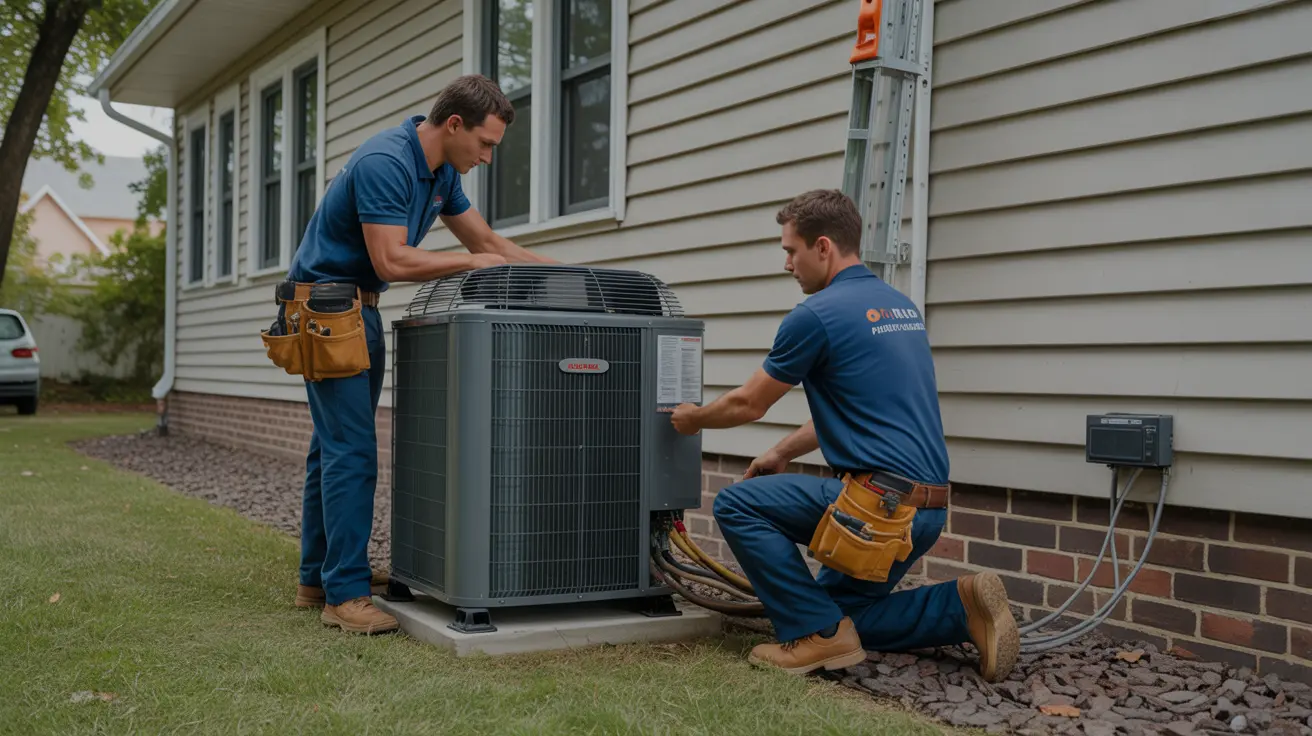
Everything is in one box on the roof. That means one crane lift, minimal building modifications, and you’re up and running. Factory assembly means better quality control than anything we could piece together on site. When I need to service it, I go to the roof. No disrupting your business, no walking through your dining room with tools. And for straightforward applications, the cost-per-ton is hard to beat.
RTU Selection Criteria:
You’re typically looking at 3 to 50 tons for most commercial applications. Efficiency should be 11.2 EER minimum and 14 IEER. I won’t install anything below those numbers because in North Texas heat, the energy savings pay for the upgrade fast. Controls can range from a basic thermostat to full building automation integration. And make sure the unit has good service access. Some manufacturers pack everything so tight that a simple coil cleaning turns into a four-hour job.
Split System Applications
Best Uses:
Split systems shine when you need independent temperature control in different zones. Tenant spaces where each business wants their own thermostat and their own utility bill. Retail chains that need consistent temperatures across locations. Medical offices where one exam room needs to be 68 and the waiting room can be 72. That kind of flexibility is where splits earn their keep.
System Benefits:
You can put the indoor units wherever makes sense and the condensers wherever you’ve got space. That’s huge when a building won’t support rooftop equipment. Zone control means you’re only conditioning spaces that need it. The condensers sit outside, so noise inside stays low. And if the business grows, you can add zones without ripping out what you already installed.
Split System Considerations:
Where you put the indoor units matters for both aesthetics and airflow. Longer refrigerant line runs cost more and hurt efficiency, so plan those runs carefully during design. Multiple outdoor units need adequate space and clearance for service. And if you’re running a multi-zone setup, the controls need to be coordinated properly or you’ll end up with one zone fighting another.
Variable Refrigerant Flow (VRF) Systems
Premium Applications:
VRF is the Cadillac of commercial HVAC. Multi-tenant buildings love them because every zone gets individual control and you can meter separately. Upscale retail where you need whisper-quiet operation and precise temperatures. Professional office buildings that want maximum efficiency and the ability to heat one zone while cooling another. Hotels and hospitality where guest comfort drives reviews and repeat business.
VRF Advantages:
The big selling point? Simultaneous heating and cooling. One side of your building gets afternoon sun and needs cooling while the shaded side needs heat. VRF does both from one system, and it actually transfers the waste heat from the cooling side to the heating side. That’s real energy savings, not marketing fluff. The system modulates capacity instead of cycling on and off, so you get rock-steady temperatures. And they’re quiet enough for a library.
Investment Considerations:
VRF costs more upfront. No way around it. But the energy savings in a multi-zone building are substantial enough to justify the premium. You do need certified VRF technicians for installation. This isn’t something a general contractor should be wiring up. The control systems are sophisticated and give you detailed monitoring and optimization. Over the long haul, the efficiency, reliability, and flexibility make VRF a smart investment for the right application.
Chiller Systems for Large Buildings
Large Building Applications:
Once you get past 50,000 square feet, chillers start making a lot of sense. Centralized chiller plants work well for office complexes, multi-story buildings, and big retail or mixed-use developments. Hospitals rely on them because you can build in redundancy that’s hard to achieve with other system types. Schools and universities use them to efficiently handle buildings with wildly different occupancy patterns throughout the day.
Chiller System Benefits:
At large scale, chillers are incredibly efficient. Chilled water distribution lets you control zones precisely and expand easily as buildings grow. You can configure multiple chillers for redundancy so that if one goes down, the building keeps running. And the control systems available for chiller plants are as sophisticated as you want them to be.
System Components:
A chiller plant has four main pieces working together. The chiller itself generates cold water for the building. Pumps distribute that water to wherever it’s needed. Air handling units take the chilled water and deliver cool air to occupied spaces. And cooling towers reject the heat outside. When it’s all working right, it’s an efficient, reliable system.
Commercial Load Calculation and System Sizing
Related: Load Calculation
Professional Load Analysis Requirements
Commercial Load Factors:
I can’t stress this enough: commercial load calculations are nothing like residential. You’ve got occupancy that changes throughout the day. A conference room goes from two people to forty in ten minutes. Equipment like servers, commercial ovens, and display lighting throwing off heat that has to be accounted for. The building envelope matters too. West-facing glass on a summer afternoon in Frisco? That’s a massive heat load. And then ventilation codes require a certain amount of outside air, which in July is 100-degree air you have to cool down.
North Texas Specific Factors:
Our flat commercial roofs absorb ridiculous amounts of heat. I’ve measured rooftop temperatures above 140 degrees in August. That heat radiates straight down into the building. West-facing windows are brutal in the afternoon. If your business has a data center or server room, those internal gains can be the biggest part of your cooling load. And peak demand always hits during afternoon commercial hours, right when electric rates are highest.
Business-Specific Sizing Considerations
Office Buildings:
Figure roughly 75-100 square feet per ton, but that’s a starting point, not gospel. An office full of software developers with three monitors each has very different heat loads than an insurance office with a few laptops. Variable occupancy means you need systems that can ramp down when half the staff is working from home. And indoor air quality requirements for fresh air add to the load, especially when that fresh air is Texas summer air.
Retail Establishments:
Retail is tricky because the range is so wide. A clothing store might do 200-400 square feet per ton, but an electronics store with wall-to-wall TVs and gaming displays needs way more cooling. Saturday afternoon customer density versus Tuesday morning are completely different loads. Display lighting, especially the halogen and incandescent stuff, pumps out serious heat. And every time that front door opens during a summer sale, you’re dumping conditioned air outside.
Restaurant and Food Service:
Restaurants are the hardest commercial application to size correctly. I usually figure 100-150 square feet per ton, but kitchens throw everything off. A commercial pizza oven can add 3 tons of cooling load by itself. The grease and moisture from cooking wreck standard equipment. You need grease-rated components and way more maintenance than a typical commercial building. And reliability is non-negotiable because if the AC goes down on a Friday night, you’re sending customers home.
Industrial and Warehouse:
Basic warehouse conditioning runs 400-800 square feet per ton, but the variation is enormous. A warehouse storing wine needs completely different conditions than one storing auto parts. High ceilings mess with air distribution since hot air rises and cool air sinks, so you need the right ductwork design or specialized air handling. And if there’s manufacturing equipment generating heat, those process loads have to be calculated separately.
Load Calculation Software and Methods
Professional Tools:
We use HAP (Hourly Analysis Program) for detailed energy modeling on most projects. It accounts for how loads change hour by hour throughout the year. TRACE 700 is another heavy hitter for full building energy analysis. Elite CHVAC works well for specialized commercial calculations. And Manual N provides the base methodology for commercial sizing. Point is, we’re not using a rule-of-thumb chart from 1995.
Calculation Accuracy:
Good calculations give you hourly load profiles showing exactly when peak demand hits. You need seasonal analysis because a system that’s perfect in July might be wrong for January (or April when Texas weather can’t make up its mind). Part-load performance matters more than peak capacity because your system spends 90% of its time running below full capacity. And energy usage predictions let you compare equipment options and actually see the ROI before you buy.
Energy Efficiency and Performance Standards
Commercial Efficiency Requirements
Minimum Efficiency Standards (2025+):
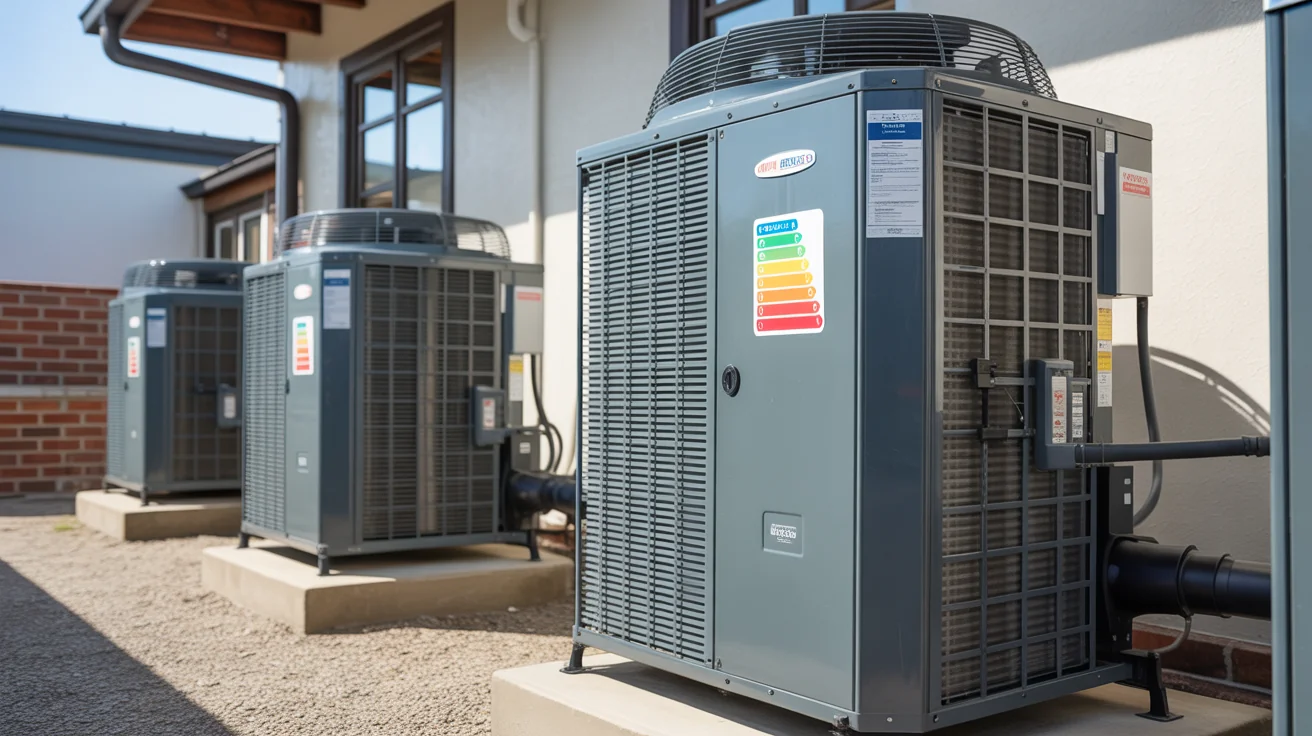
Current minimums require 11.2 EER and 14.0 IEER for air-cooled AC units. Water-cooled systems have higher requirements because they’re inherently more efficient. Heat pumps need 3.3 COP heating and 11.0 EER cooling. Variable-speed systems face even stricter requirements, which makes sense given what they’re capable of. But honestly, I always push above minimums. Installing a minimum-efficiency system in North Texas is like buying the cheapest tires for your work truck. Technically legal, but you’ll regret it.
North Texas Efficiency Benefits:
Going above minimum efficiency gets you 15-25% energy savings, which is real money when you’re running commercial systems 12+ hours a day. Better part-load efficiency reduces demand charges on your electric bill, and those charges can be 30-40% of a commercial utility bill. Oncor and municipal utilities offer rebates that cover 10-30% of equipment costs for qualifying high-efficiency systems. Payback periods typically land between 3-7 years, and the equipment lasts 15-20.
Advanced Efficiency Technologies
Variable-Speed Compressors:
Variable-speed compressors changed commercial HVAC. Instead of slamming on at full blast and shutting off (short cycling, the thing that killed that restaurant’s system), they modulate to match the exact load. At 60% capacity, they’re actually more efficient than at 100%. Less cycling means less wear, lower energy bills, and way better humidity control. In North Texas, humidity control alone makes variable-speed worth the upgrade.
Economizer Systems:
Economizers use free outside air for cooling when conditions allow. In spring and fall (those 65-degree mornings we get in October), the system pulls in outside air instead of running the compressor. Saves 20-40% on cooling during mild weather. The controls constantly compare outdoor and indoor conditions and switch between free cooling and mechanical cooling automatically. You do have to maintain the dampers, filters, and sensors or economizers become expensive holes in your building.
Heat Recovery Options:
Energy recovery ventilation captures heating or cooling from exhaust air and uses it to pre-condition incoming fresh air. Smart design. Heat pump systems can simultaneously heat and cool different zones, transferring heat from where it’s not wanted to where it is. If your building has a data center throwing off heat, that waste heat can preheat domestic water. It’s about capturing energy you’ve already paid for instead of throwing it away.
Smart Controls and Building Automation
Building Management Systems (BMS):
A good BMS ties everything together. All your HVAC equipment, lighting, access control, all talking to each other. The algorithms adjust operation based on occupancy, weather, utility rates. Some of the newer systems can predict equipment failures before they happen by tracking performance trends. And remote monitoring means I can often diagnose a problem from my phone without rolling a truck.
Advanced Control Features:
Occupancy-based controls only condition spaces when people are actually in them. Demand response lets you participate in utility programs that pay you to reduce load during peak grid hours. Weather integration adjusts the system before conditions change instead of reacting after. And energy reporting gives you the data to prove what’s working and find what’s not.
Equipment Selection by Business Type
Office Building HVAC Solutions
System Requirements:
Office workers notice when it’s too hot. Productivity drops measurably above 77 degrees. You need consistent comfort during business hours, zone flexibility for different departments (accounting always wants it warmer, IT always wants it colder), energy efficiency because the building runs all day, and quiet operation because nobody can concentrate with a roaring air handler overhead.
Recommended Systems:
For premium office space, VRF gives you the best combination of efficiency and zone control. VAV systems are a solid traditional choice for larger buildings at a lower cost than VRF. Split systems work great for smaller offices where simplicity matters more than advanced features. And if you’ve got a building with big internal heat gains from server rooms or dense cubicle layouts, heat recovery systems pay for themselves quickly.
Special Considerations:
Conference rooms are a real challenge. Empty room, two people, forty people. The HVAC has to handle all three scenarios without someone manually adjusting anything. Server rooms need dedicated cooling with backup, and the cooling load there has nothing to do with outdoor temperature. After-hours operation for cleaning crews and security should run reduced capacity, not full blast. And if you’re a building owner, plan for tenant improvements. Today’s open floor plan might be tomorrow’s private offices.
Restaurant HVAC Requirements
For business solutions, explore our Restaurant HVAC services.
Critical System Needs:
I’ve said it before and I’ll keep saying it: restaurants are the hardest HVAC application. The heat loads from commercial cooking equipment are enormous. Grease gets everywhere, including inside your HVAC equipment, and it’s a fire hazard. Humidity from dishwashers, steam tables, and boiling water is relentless. And when the system goes down in July, you’re losing thousands in revenue per day, not to mention food spoilage.
Kitchen-Specific Equipment:
Kitchen hood systems exhaust massive amounts of air that has to be replaced. Make-up air units do that job, and if they’re not sized right, you get negative pressure that pulls unconditioned air through every crack in the building. All kitchen-adjacent equipment needs grease-rated components. Everything exposed to kitchen exhaust has to handle high temperatures without failing. And maintenance access has to be easy because these systems need cleaning constantly.
Dining Area Comfort:
The dining room is where your customers decide if they’re coming back. Temperatures need to stay consistent even when the front door opens every thirty seconds during the lunch rush. Humidity control keeps things comfortable when the kitchen is running full bore. Nobody wants to shout over an air handler, so keep the noise down. And fresh air ventilation removes cooking odors without creating drafts that blow napkins off tables.
Retail Store HVAC Systems
Merchandising Support:
Your HVAC protects your inventory. Temperature fluctuations damage electronics, warp wood, and ruin food products. Humidity causes mildew on clothing and corrosion on metal goods. Air distribution has to avoid blasting cold air on customers while still keeping the store comfortable. And in retail with thin margins, energy efficiency directly affects profitability.
System Selection Factors:
Retail HVAC selection depends heavily on your specific situation. Store layout drives zone requirements. A store open 7 AM to 10 PM needs equipment that won’t quit after 14 hours. Seasonal swings (Black Friday versus a random Tuesday in February) create wildly different loads. And if you sell anything temperature-sensitive, you might need specialized zones with tighter environmental control.
Installation Considerations:
Nobody wants to see ductwork in a high-end retail environment. Aesthetic integration matters. Roof-mounted equipment needs security measures against theft and vandalism (it happens more than you’d think). Maintenance access has to work around store hours because most retailers don’t want technicians walking around with tools during business. And build in expansion capability because store layouts change.
Industrial and Warehouse Solutions
Basic Comfort Requirements:
Even in a warehouse, people need reasonable temperatures to work safely and productively. OSHA has guidelines, and heat illness is a real liability issue in North Texas summers. Ventilation has to meet industrial hygiene standards, especially if there are fumes or dust. Humidity control prevents condensation that rusts equipment and creates slip hazards. And system reliability matters because production stops are expensive.
Specialized Applications:
Some industrial facilities need process cooling for machinery that generates far more heat than the people in the building. Clean rooms require precise temperature, humidity, and particle filtration that’s on a completely different level from comfort cooling. Dust control protects both workers and equipment. And if the environment includes chemicals or corrosive materials, your HVAC equipment needs to handle that without corroding from the inside out.
System Design Factors:
Thirty-foot ceilings change everything about air distribution. Warm air rises, cool air sinks. You can spend a fortune cooling the ceiling while workers on the floor are still hot. Destratification fans help, but the ductwork design has to account for the physics. Loading docks are basically open holes in the building when trucks are backing in. And if the facility runs 24/7, equipment redundancy isn’t optional.
Advanced Commercial HVAC Technologies
Smart Building Integration
Internet of Things (IoT) Connectivity:
IoT sensors on commercial equipment give you real-time data on everything from compressor amp draw to discharge air temperature. Pattern analysis can flag a failing bearing weeks before it seizes. Energy optimization algorithms learn your building’s patterns and adjust automatically. And when something does go wrong, remote diagnostics mean I often know what’s broken before I pull into the parking lot.
Integration Benefits:
The numbers on smart building controls are real. Automated optimization routinely saves 15-25% on energy compared to manual control. Catching problems early through predictive maintenance avoids those $5,000 emergency calls at 2 AM on a Saturday. Equipment runs longer and performs better when it’s continuously monitored and adjusted. These aren’t future promises. This is what I’m seeing on jobs right now.
Variable Refrigerant Flow (VRF) Advanced Features
Heat Recovery Technology:
VRF heat recovery is genuinely clever engineering. A south-facing conference room full of people needs cooling while a north-facing office on a cold morning needs heat. The system takes heat from where it’s not wanted and moves it where it is. You’re not generating heat and cold separately. You’re moving energy around. That’s real efficiency that shows up on your utility bill every single month.
Control Sophistication:
Each zone gets its own temperature setpoint and schedule. The system tracks energy by zone, so in a multi-tenant building, you know exactly who’s using what. Scheduling adapts to business hours automatically. And VRF controls integrate cleanly with building management systems for whole-building optimization.
Modular and Scalable Systems
Expansion Capability:
I like modular systems for businesses that are growing. Install what you need today, add capacity next year when you lease the second floor. No ripping out equipment, no oversizing and paying to run a half-empty system. The investment stays right-sized at every stage.
Redundancy Options:
Multiple smaller units instead of one big one means if a unit goes down, you lose partial capacity instead of everything. For businesses where cooling is critical (data centers, medical facilities, restaurants), that’s not a luxury. It’s a requirement. Service flexibility means you can maintain one unit while the others keep running.
Installation and Commissioning Requirements
Professional Installation Standards
Code Compliance:
Commercial installations involve a pile of codes. Building codes for structural support, clearances, electrical connections. Fire codes that are strict on commercial equipment, especially in restaurants. Energy codes that set minimum efficiency and control requirements. ADA requirements for accessible thermostat placement. Getting it right means permits, inspections, and documentation. Skipping any of it is asking for trouble.
Quality Assurance:
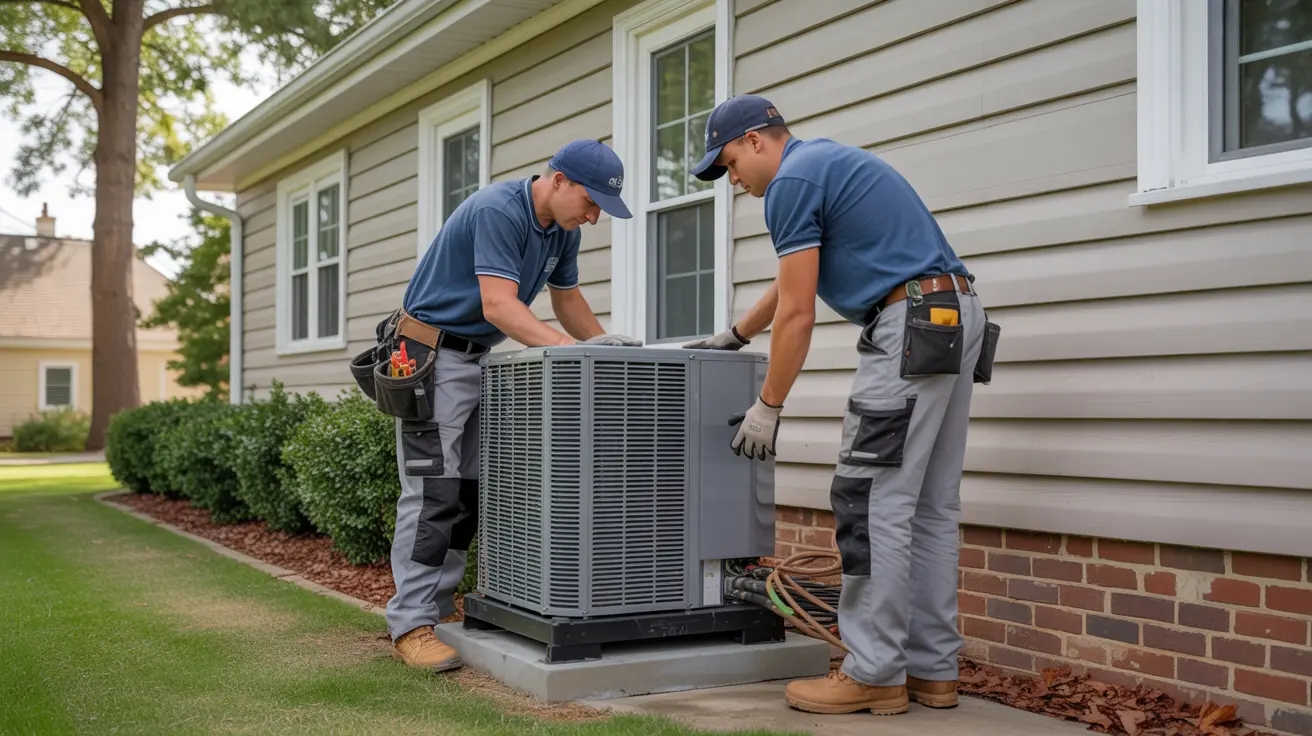
Factory-certified installation isn’t just a marketing line. It protects your warranty and ensures professional standards. We test everything after installation. Airflow, temperatures, pressures, controls. Performance testing gives you a baseline so that two years from now when someone asks “is the system performing as well as when it was new?” you have actual data to compare.
Commissioning Process
System Testing:
Commissioning is where you verify that what got installed actually works as designed. We confirm performance against the design specs. We set up and test every control sequence. Safety systems get tested, including emergency shutdowns and refrigerant leak detection. And we train your staff so they know how to operate the system without calling us every time someone wants to change the schedule.
Documentation Delivery:
You should get as-built drawings showing what was actually installed (it’s never exactly like the original plans). Operating manuals for every component. A maintenance schedule so you know what needs service and when. And warranty documentation filed properly so you’re covered if something goes wrong.
Startup and Training
System Startup:
Startup isn’t just flipping a switch. Every control point gets calibrated. We verify performance meets design conditions. Any installation issues get resolved before we call it done. I’ve seen contractors walk away after the first cool air comes out and never come back to fine-tune. That’s not how we do it.
Staff Training:
Your building staff needs to understand daily operation. How to respond to basic alarms. What maintenance tasks they can handle versus what needs a service call. And emergency procedures. If a refrigerant leak alarm goes off at 3 AM, your security guard needs to know what to do.
Maintenance and Service Considerations
Commercial Maintenance Requirements
Preventive Maintenance Importance:
Commercial equipment without a maintenance program is a ticking clock. It’s not if something breaks, it’s when and how much it costs you in downtime. Regular maintenance keeps efficiency where it should be, which keeps your energy bills from creeping up year after year. It protects your warranty because manufacturers require documented maintenance. And it catches safety issues before they become dangerous.
Maintenance Program Components:
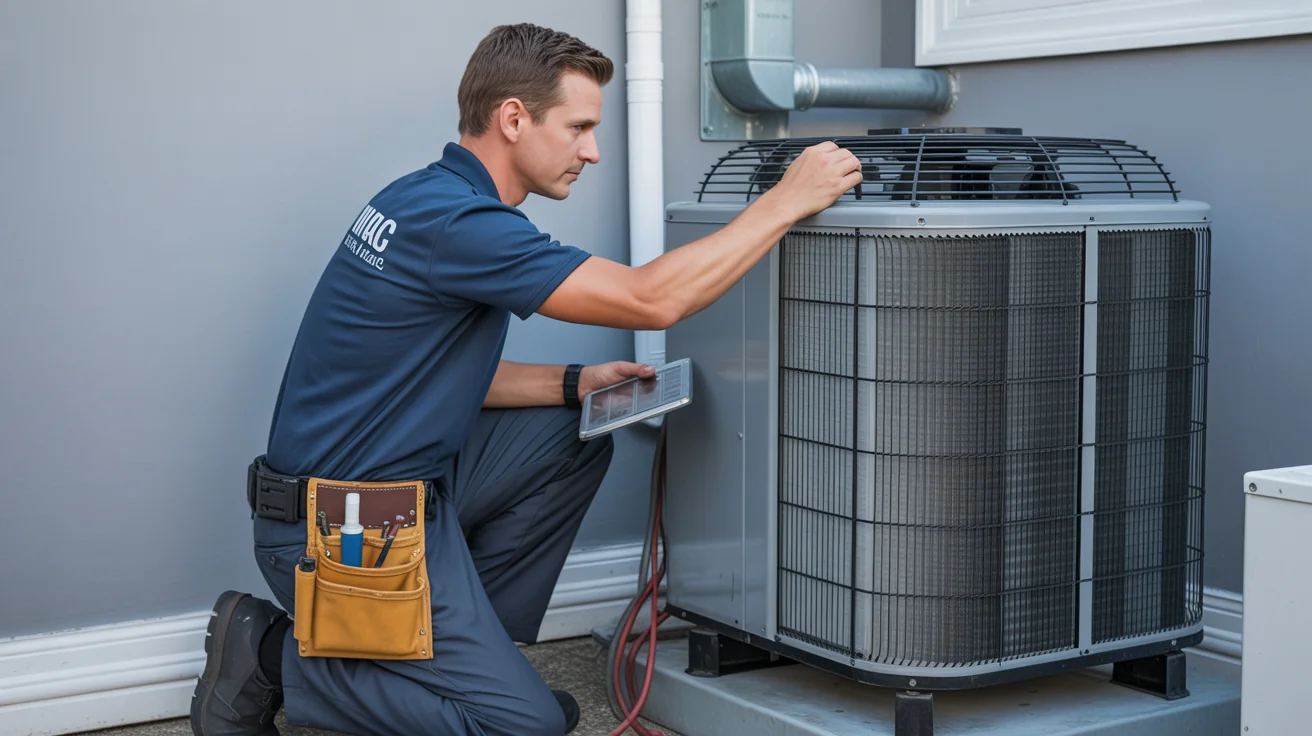
Inspections catch problems while they’re small and cheap to fix. Coil cleaning maintains heat transfer efficiency. (A dirty condenser coil can increase energy consumption 30% and most building owners would never notice until the bill arrives.) Filter changes protect both air quality and equipment. System calibration keeps controls accurate as sensors drift over time.
Professional Service Programs
Complete Maintenance:
Our preventive maintenance programs include scheduled visits that prevent equipment failures, priority emergency service when something does go wrong, ongoing performance monitoring to track efficiency, and recommendations for cost-effective upgrades when they make sense.
Service Benefits:
Maintenance agreements give you predictable costs instead of surprise repair bills. Equipment that’s properly maintained lasts longer, which protects a significant capital investment. You maintain the energy savings you paid for with high-efficiency equipment. And reliable operation means your business doesn’t lose a day of revenue to a preventable breakdown.
Emergency Service Considerations
Business Continuity Planning:
When commercial cooling fails in August in Texas, you need someone who picks up the phone at 2 AM. That’s why we offer 24/7 emergency service for commercial systems. Fast response minimizes lost revenue. If the repair is going to take days, we can bring in temporary cooling to keep your business running. And we keep you informed about what’s happening and when it’ll be fixed.
Preventive Strategies:
The best emergency plan is avoiding emergencies. System monitoring catches problems early. Redundant equipment keeps you running if one unit fails. Stocking common replacement parts means we’re not waiting three days for a compressor to ship. And having a relationship with an HVAC company that knows your building means faster, better service when you need it most.
Cost Analysis and Financial Considerations
Initial Investment Analysis
Equipment Cost Factors:
Commercial HVAC pricing depends on a lot of variables. System type is the biggest driver: a basic RTU costs a fraction of a VRF system, but the VRF might save you more in the long run. Higher efficiency costs more upfront. Installation in an occupied building costs more than new construction because you’re working around a running business. And controls, sensors, and accessories can add 20-50% to the base equipment cost, though they usually pay for themselves in energy savings.
North Texas Commercial Pricing:
For ballpark numbers: RTU systems run $3,000-8,000 per ton installed. Split systems are $4,000-10,000 per ton, with multi-zone configurations at the higher end. VRF systems cost $7,000-15,000 per ton but deliver premium performance. Chiller systems for large buildings are $5,000-12,000 per ton, with per-ton costs dropping as capacity increases. These are ranges. Your specific project could be higher or lower depending on complexity.
Operating Cost Projections
Energy Cost Factors:
Equipment efficiency drives your utility bill for the next 15-20 years. Proper sizing matters because an oversized system wastes energy at part load. Good controls can cut energy usage another 15-30% through scheduling, load management, and optimization. And maintenance quality keeps those savings from eroding as the system ages.
Annual Operating Savings:
High-efficiency equipment saves 15-30% on energy versus minimum efficiency. That gap widens as utility rates rise. Smart controls add another 10-20% through intelligent operation. Proper sizing saves 20-40% compared to oversized systems. And professional maintenance preserves 5-15% efficiency that would otherwise be lost to wear and neglect. Stack all those together and the difference between a well-designed system and a poorly chosen one is massive.
Return on Investment Analysis
Financial Benefits:
A good commercial HVAC investment pays you back from day one through lower utility bills. Fewer emergency repairs save maintenance dollars. Better comfort improves employee productivity and reduces turnover. And modern, efficient systems increase property value. If you’re a landlord, tenants will pay more for a building with good HVAC. If you’re selling, buyers notice.
Payback Calculations:
Energy efficiency upgrades typically pay back in 3-7 years through reduced operating costs. Smart controls often pay back in 2-5 years because the savings start immediately. Maintenance agreements show returns right away by preventing expensive emergency repairs. Full system replacements take 5-12 years to pay back depending on what you’re replacing, but the old system was probably going to fail anyway.
Need Professional HVAC Service?
Our certified technicians are ready to help with any HVAC needs in North Texas