Commercial HVAC Retrofits & Upgrades
Commercial HVAC retrofits and upgrades for North Texas businesses. Modernization strategies, technology options, and ROI analysis.
- The Strategic Value of Commercial HVAC Retrofits
- North Texas Retrofit Market Drivers
- Retrofit Assessment and Planning
- Retrofit Opportunity Identification
- Equipment Replacement and Upgrade Strategies
- High-Efficiency Equipment Selection
- Building Automation and Control Upgrades
- Smart Building Technology Integration
+ 13 more sections below...
- The Strategic Value of Commercial HVAC Retrofits
- North Texas Retrofit Market Drivers
- Retrofit Assessment and Planning
- Retrofit Opportunity Identification
- Equipment Replacement and Upgrade Strategies
- High-Efficiency Equipment Selection
- Building Automation and Control Upgrades
- Smart Building Technology Integration
+ 13 more sections below...
Here’s the short version: commercial HVAC retrofits in North Texas run anywhere from $15,000 to well over $500,000, but they typically cut energy costs 25-50% and pay for themselves in 2-5 years. Stack Oncor rebates ($500-$2,000/ton) with federal tax credits (10-30%) and you can knock 40-50% off the project cost. About half the commercial buildings in our area are over 20 years old, running at maybe 60-70% of what they could do. I see it constantly. The monthly repair bills plus wasted energy on those old systems actually cost more than the financing payments on new equipment would. Swapping in modern VRF or variable-speed systems and adding building automation ($25,000-$150,000 range, 2-4 year payback) turns a money pit into a property that commands 10-15% higher rents.
The Strategic Value of Commercial HVAC Retrofits
Learn more about Commercial HVAC.
I’ll be blunt: I’ve watched way too many building owners bleed money keeping ancient HVAC systems alive. They call me for a $3,000 repair, then another one two months later, then the energy bill comes in and it’s ugly. It’s like putting premium gas in a car with 300,000 miles. At some point, the math just doesn’t work anymore.
Last year I worked on a 30-year-old office building. The owner was spending $18,000 a year on repairs alone, and his utility bills were through the roof. We did a full retrofit. His energy costs dropped 35%, the repair calls basically stopped, and his tenants started complimenting him instead of complaining. Paid for itself in just over two years.
This guide walks through how to plan a retrofit, pick the right technology, and actually get it installed without losing your mind. Everything here is specific to North Texas because that’s where we work.
North Texas Retrofit Market Drivers
There are a few things pushing building owners toward retrofits right now, and honestly, it’s all happening at once.
Energy costs keep climbing. That’s not news. But older buildings get hit harder because their equipment was designed for a different era. I’ve seen monthly utility bills jump 40% in two years for buildings running 1990s-era equipment. Close to half our commercial building stock is past the 20-year mark, using systems that were middle-of-the-road efficient when they were new and are way below today’s standards.
But here’s the flip side. The financial incentives have never been this good. Utility rebate programs now cover 20-40% of upgrade costs. Buildings with modern HVAC attract better tenants who’ll pay more rent. And appraisals consistently come in 10-15% higher for properties with recent retrofits versus comparable buildings still running old equipment.
Then there’s the regulatory side. Energy codes now require efficiency improvements when you do major renovations. Air quality standards tightened up a lot after COVID. Big companies won’t sign leases in inefficient buildings because they have their own sustainability targets. Municipal carbon reduction goals are moving the needle on policy. Green building certifications used to be a nice bonus. Now some tenants won’t even look at your space without one.
Retrofit Assessment and Planning
Complete Building Assessment
Energy Audit and Analysis: Before you spend a dollar, you need to know exactly where the problems are. Not guesses. Data.
Assessment Components: A thorough assessment tells you where your money will have the biggest impact. Start with energy consumption analysis, comparing your building against similar properties to spot the biggest gaps. Equipment condition assessments usually tell a rough story. I find systems running at 60-70% capacity all the time because nobody caught the slow decline over the years. Building envelope evaluation almost always turns up insulation problems or air leaks that are silently burning money. Control systems in older buildings are usually the weakest link, unable to do anything smart with the equipment they’re connected to. And indoor air quality testing has become a must. Tenants care about it now. A lot.
Performance Gap Analysis:
Performance gap analysis is basically asking: how far off is this building from where it should be? You compare current operation against what the equipment should be doing at peak performance, and that gap is your savings opportunity. Then you look at comfort and air quality complaints, because those affect tenant retention directly. Maintenance cost trends tell you whether you’re on a repair treadmill. Capacity checks determine whether the existing system can even handle today’s load. Sometimes the building use has changed completely from when the HVAC was designed. And technology obsolescence is real. If the manufacturer stopped making parts for your unit, that’s a ticking clock.
Retrofit Opportunity Identification
High-Impact Retrofit Categories: Not all upgrades are created equal. Some give you way more bang for your buck.
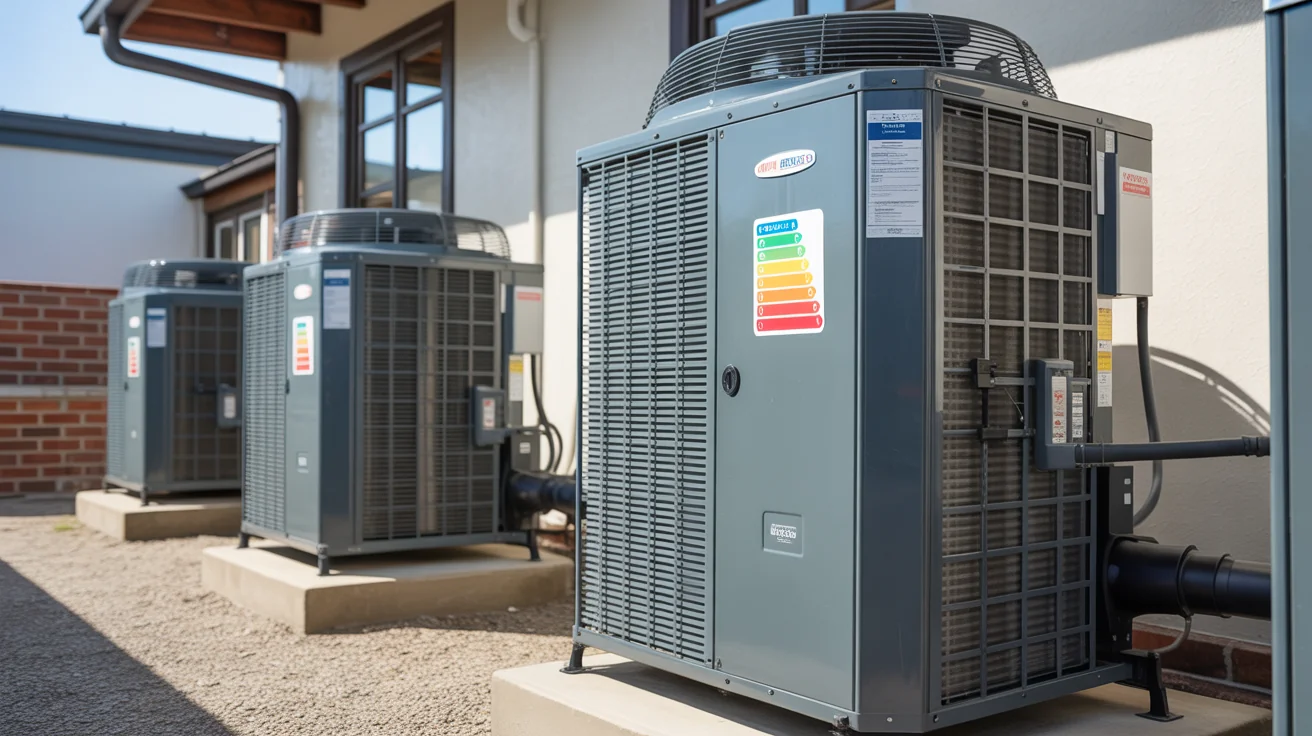
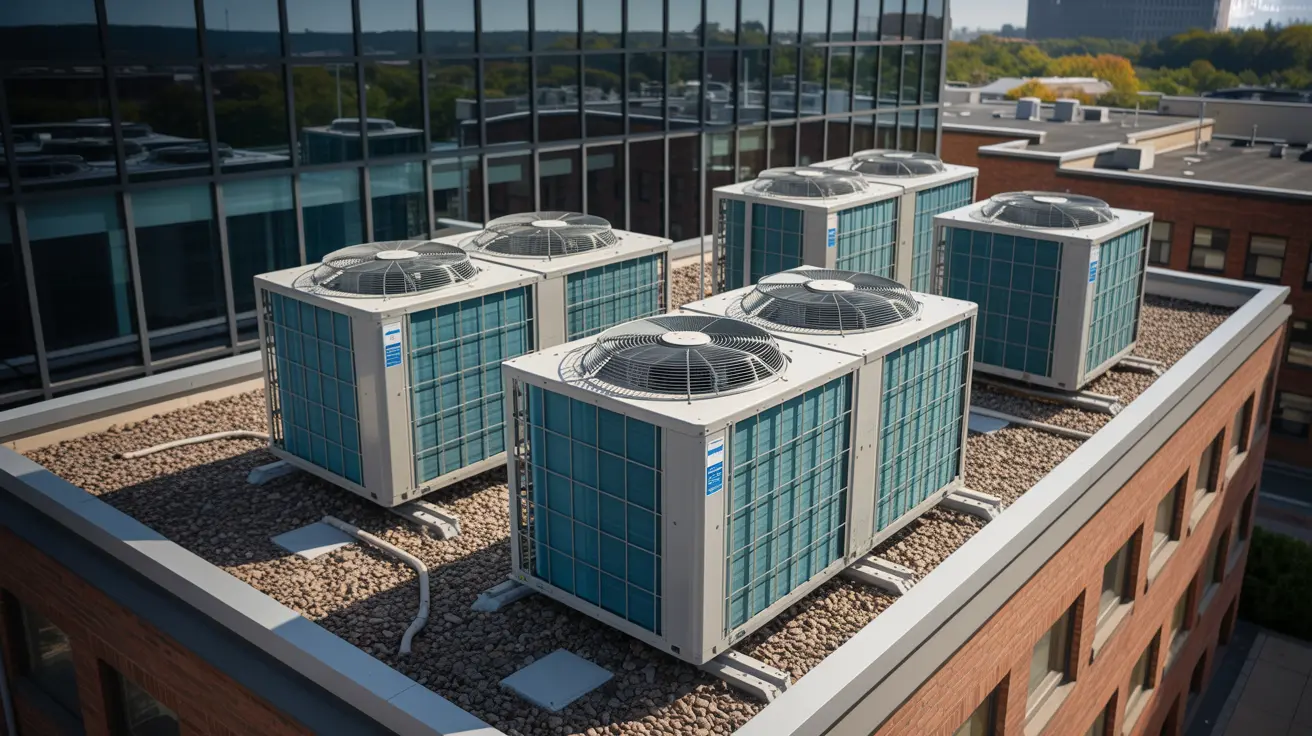
Replacing old rooftop units with high-efficiency models can cut cooling costs 30-40%. That’s usually the biggest single win. Building automation upgrades are the second-biggest. I’ve seen automation systems pay for themselves in 18 months just by fixing schedules and setpoints that nobody had touched in years. Ductwork improvements aren’t exciting, but sealing leaks and rebalancing airflow can boost overall system performance by 20%. Modern controls can make existing equipment perform like it’s almost new. And energy recovery systems capture heat that would otherwise go right out the exhaust. I’ve watched those cut ventilation energy costs in half.
Cost-Benefit Prioritization: Start with the projects that have 1-3 year paybacks. Those are your quick wins and they fund the bigger stuff. Then run life cycle cost analysis on the longer-term projects to see total ownership costs over the equipment’s full life. Rank everything by energy savings potential, comfort improvement, and how much maintenance they’ll eliminate going forward. The priorities usually become obvious pretty fast.
Equipment Replacement and Upgrade Strategies
HVAC Equipment Modernization
Equipment Replacement Triggers: There’s a moment where repairs stop making sense. Usually it’s around 15-20 years of age, but sometimes sooner if the equipment wasn’t maintained well. If you’re looking at a $5,000+ repair on a 17-year-old unit? That’s replacement territory. Same thing when efficiency has dropped so far that newer equipment would pay the difference through lower energy bills. Frequent breakdowns, capacity problems from building changes, and not being able to get parts anymore. All red flags.
Modern Equipment Technologies: The stuff available today makes 20-year-old systems look like antiques. Variable refrigerant flow (VRF) systems give you individual zone control while using 20-30% less energy than conventional setups. Magnetic bearing chillers eliminated most of the maintenance headaches that come with traditional chillers. Heat pumps work great in North Texas since our winters are mild enough for them to stay efficient. Variable speed drives on fans and pumps adjust output to match actual demand instead of running flat out 24/7. And smart controls that learn your building’s patterns? They find savings that even experienced operators miss.
High-Efficiency Equipment Selection
Premium Efficiency Technologies:
When you’re picking new equipment, look for modulating capacity. That means the system adjusts its output to match the actual load instead of cycling on and off. It’s quieter, more efficient, and way more comfortable. Heat recovery systems grab waste heat and use it for space heating or hot water. Advanced heat exchangers squeeze more performance out of every BTU. Premium efficiency motors give you 2-8% better efficiency than standard ones, and they tend to last longer too. And equipment with built-in optimization and monitoring pays dividends because it’s constantly tuning itself.
Equipment Integration Strategies: New equipment has to play nice with what’s already there. That’s where a lot of retrofits go sideways. You need to plan compatibility from the start. Phased replacement lets you spread the cost out and keep the building running comfortably during the work. Always maintain some backup capacity during the swap because Murphy’s Law loves HVAC projects. Once everything’s in, proper integration and configuration is what separates a good result from a great one. And think ahead. If the building might expand or change use in five years, factor that in now.
Building Automation and Control Upgrades
Control System Modernization
Legacy Control System Limitations: Older control systems are basically just on/off switches with a thermostat. They can’t optimize anything. They don’t talk to each other. There’s no way to track energy use or spot problems. Everything requires someone to physically walk to the unit and adjust it. You can’t check anything remotely. When something goes wrong at 2 AM, you don’t know until the tenant calls at 8 AM.
Modern Building Automation Benefits: Modern building automation changes the game completely. The system coordinates HVAC, lighting, and other systems so they’re not fighting each other. Optimization algorithms adjust operation based on occupancy, weather forecasts, and utility rates in real time. Predictive maintenance catches problems before they become failures. Remote monitoring means I can check a building’s performance from my phone and get alerts the second something goes wrong. And the analytics reports make it easy to spot additional savings opportunities and prove to ownership that the retrofit is performing.
Smart Building Technology Integration
IoT and Connected Systems: Smart building tech used to be something only Fortune 500 companies bothered with. Not anymore. The costs have come down enough that mid-size buildings can justify it.
Smart Building Features: Sensor networks throughout the building track occupancy, temperature, humidity, and air quality so the system responds to actual conditions instead of assumptions. Machine learning controls get smarter over time, picking up patterns that humans wouldn’t notice. Mobile apps let you monitor and control everything from anywhere. Cloud connectivity opens up advanced analytics. And integration platforms tie HVAC into lighting, security, and access control so the whole building operates as one system.
Advanced Control Strategies: Demand-controlled ventilation brings in fresh air based on how many people are actually in the space, not worst-case design numbers. That alone saves a lot of energy. Optimal start and stop algorithms figure out the best time to fire up or shut down based on building thermal mass and weather. Economizer optimization takes advantage of free cooling when outside conditions are right. Peak demand management automatically sheds load during expensive utility peak periods, and those demand charges can be 40% of your electric bill. Fault detection catches problems early and sends an alert before a minor issue turns into a major failure and an angry phone call.
Energy Recovery and Efficiency Improvements
Heat Recovery System Retrofits
Energy Recovery Applications: This is one of those areas where the technology is almost too good to ignore.
Recovery System Types: Heat recovery systems grab energy that’s literally going out the exhaust and put it back to work. Heat recovery ventilators capture warmth from exhaust air and pre-heat incoming fresh air. Energy recovery ventilators do the same thing but also handle moisture. You can capture waste heat from server rooms, process equipment, really anything that generates heat. Heat pump water heaters use that captured warmth to produce hot water efficiently. Thermal wheels handle large-volume applications. I’ve personally seen heat recovery cut ventilation energy costs 40-60% in North Texas buildings. Those numbers aren’t theoretical. That’s what I measure on real jobs.
Recovery System Benefits: Energy savings of 20-60% on heating and cooling. Better air quality because you can ventilate more without the energy penalty. Smaller equipment because the loads are lower, which saves money upfront. Lower operating costs from day one. And a real environmental impact, if that matters to your tenants or corporate clients. For a lot of them, it does.
Ductwork and Air Distribution Improvements
Ductwork Retrofit Opportunities: Duct sealing is the unglamorous workhorse of retrofits. Most commercial duct systems leak 15-30% of conditioned air into ceiling spaces and wall cavities. That’s air you paid to heat or cool, just going nowhere useful. Insulation upgrades prevent heat gain and loss in unconditioned spaces. Airflow balancing eliminates the hot spots and cold spots that generate tenant complaints. Converting constant volume systems to variable air volume adjusts airflow based on actual need. And adding zone control gives individual areas their own temperature setpoints.
Air Distribution Enhancement: Honestly, ductwork improvements often give you the best return of anything in a retrofit. They’re relatively cheap but the impact is huge. I’ve sealed duct leaks on buildings and watched energy use drop 15-25% with nothing else changed. Proper air distribution eliminates the “my office is freezing but the conference room is 80 degrees” complaints. Better airflow takes stress off the equipment and extends its life. Improved ventilation gets fresh air where it’s actually needed. I’ve had projects where ductwork fixes alone cleared up all the comfort complaints AND cut the energy bill. Two problems, one solution.
Financial Analysis and Incentive Programs
Retrofit Investment Analysis
Cost Categories and Ranges: Project costs vary a lot depending on building size and how much you’re doing, but the returns are pretty consistent.
Small commercial buildings usually fall in the $15,000-75,000 range for equipment replacement. That typically saves $3,000-8,000 a year. Medium buildings run $50,000-300,000 for a full retrofit and often save $15,000-40,000 annually on energy alone. Large buildings can go past $1M but the savings scale up proportionally. Control system upgrades cost $25,000-150,000 and usually pay back in 2-4 years. Energy recovery systems run $30,000-200,000 but can slash ventilation energy 40-60%.
Return on Investment Analysis: The returns come from multiple directions. Energy savings are the obvious one. But demand charge reductions matter too, especially in commercial rate structures where peak demand adds up fast. Maintenance drops because modern equipment is more reliable and has better diagnostics. Comfort improvements lead to happier tenants, better retention, and the ability to charge higher rents. And property values go up. I’ve seen 5-15% increases in appraised value after a major retrofit.
Available Incentive Programs
Utility Incentive Programs: North Texas has some of the better retrofit incentives in the country right now.
Major Incentive Programs: Oncor’s Energy Efficiency Program is the big one. They’ll write rebate checks of $500-2,000 per ton of high-efficiency equipment. Your retail electric provider may have additional rebates and preferential rates for efficient buildings. Some municipal utilities layer on their own incentives. The federal 25C credit ended after 31 December 2025; commercial work may still reach 179D, which is separate. State programs add more on top. I’ve helped clients stack these programs together and cover 40-50% of the total project cost. That completely changes the payback math.
Financing Options: You don’t have to write a huge check upfront. Utility on-bill financing lets you pay through your utility bill, and they usually structure payments to be less than your energy savings so you’re cash-flow positive from day one. PACE financing is a longer-term option that stays with the property, which is nice if you might sell. Energy service agreements put a third party on the hook for guaranteed savings. Traditional equipment loans and leases are always available. And power purchase agreements let someone else own and maintain the equipment while you just buy the output.
Payback and ROI Calculations
Typical Retrofit ROI Results: Let me share what I’ve actually seen on North Texas projects. Equipment replacement runs 25-40% annual ROI with 3-5 year paybacks. Building automation does better. 30-50% ROI with 2-4 year paybacks because the savings kick in immediately and they’re ongoing. Energy recovery is 20-30% ROI with 3-7 year paybacks depending on how much ventilation the building needs. But the real sweet spot is a complete retrofit addressing multiple systems at once. Those hit 40-60% annual ROI with 2-3 year paybacks because everything works together. The whole is bigger than the parts.
Value Enhancement Analysis: Beyond direct savings: operating cost reductions of $10,000-100,000+ annually are common. Property values increase 5-15% with modern systems. Tenant satisfaction improves, occupancy rates go up, and you can push rents. In a competitive leasing market, a modern efficient building has a real edge over one with old HVAC. And you eliminate the risk of catastrophic equipment failure taking out your building’s climate control on the hottest week of August. That’s worth something too.
Implementation Planning and Project Management
Retrofit Project Planning
Systematic Implementation Process: Retrofits that go well follow a clear process. You start with assessment and planning to find the highest-impact opportunities. Then design and engineering to get professional specifications that ensure everything performs and meets code. Next, lock down financing, rebates, and permits before any work starts. Construction and installation gets scheduled to minimize disruption. For occupied buildings, that usually means nights and weekends for the loud stuff. Commissioning and optimization makes sure everything runs as designed and hits the projected savings. Then ongoing monitoring protects your investment.
Business Continuity Planning: This is where experience really matters. Phased implementation keeps the building comfortable throughout the project. Temporary cooling and heating systems bridge the gaps during major changeovers. After-hours work handles the most disruptive tasks. Good communication with tenants prevents surprises and complaints. And contingency planning keeps the project moving when unexpected problems come up. Because they will. Twenty-year-old buildings always have surprises hiding in the ceiling.
Quality Assurance and Performance Verification
Installation Quality Control: Commercial retrofits aren’t the place for the cheapest bid. You need contractors with real commercial retrofit experience who know what they’re doing. Quality checkpoints throughout the installation catch problems early instead of after everything’s buttoned up. Code compliance verification isn’t optional. Manufacturer installation requirements have to be followed precisely or your warranty is worthless. And safety protocols protect everyone on site.
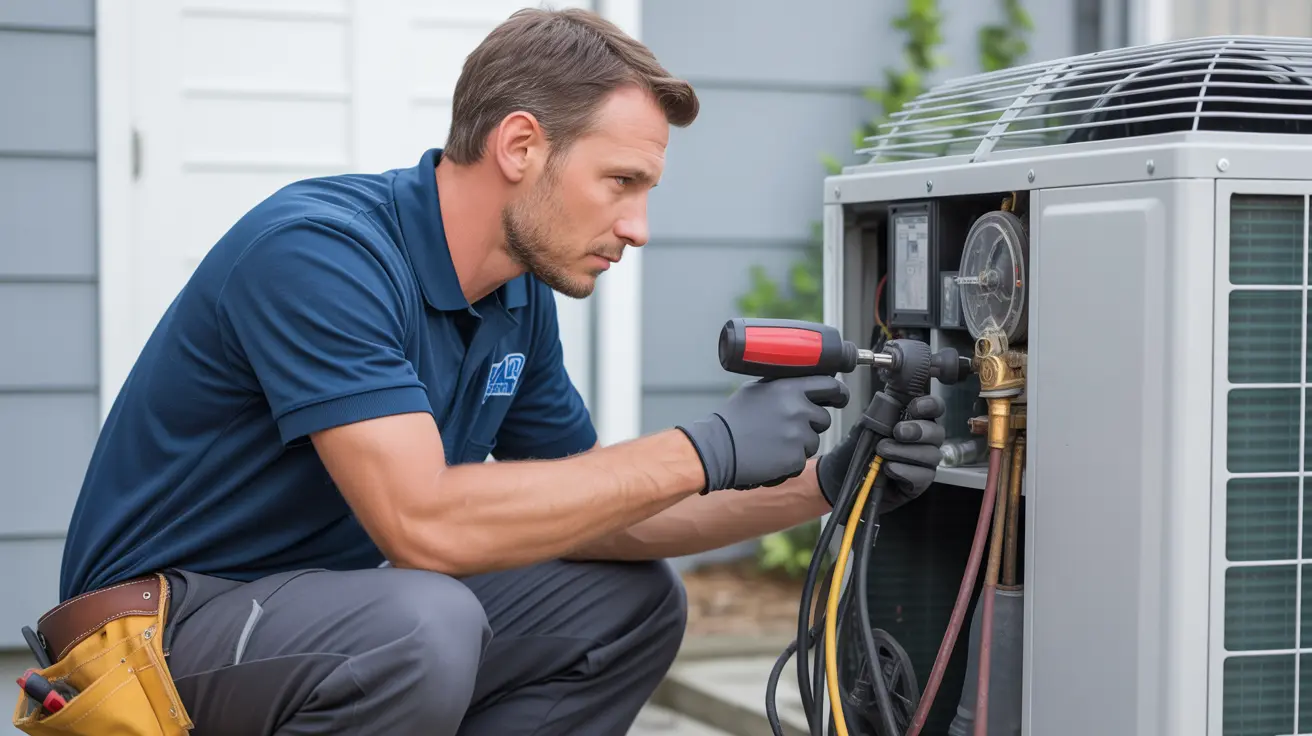
Performance Verification: This is the step that separates a professional retrofit from a gamble. Commissioning means we test and optimize every system to hit design performance. Before-and-after energy analysis proves the savings are real, not just projected. Documentation covers warranty claims, tax credits, and future reference. Operator training makes sure your staff can keep things running right. Warranty activation protects your investment. I provide guaranteed performance verification on every retrofit because the results depend on execution, not just equipment selection.
Regional Considerations and Best Practices
North Texas Specific Retrofit Strategies
Climate-Optimized Retrofits: Heat pump conversions make a ton of sense here. Our winters are mild enough that heat pumps stay efficient, and you get heating and cooling from one system. Dehumidification upgrades matter more than people think because North Texas has those stretches of high humidity where standard cooling just can’t keep up. Storm-resistant equipment and protection systems are worth the investment given our weather. Peak demand management is critical since summer demand charges can represent 40% or more of your commercial electric bill. And enhanced filtration addresses the pollen and allergen loads that make North Texas famous.
Local Code and Utility Considerations: Every city in the DFW area has slightly different code requirements, so you need to know which jurisdiction you’re in before you start designing. Coordinating with utility programs early maximizes your rebates and ensures you meet their requirements. Pull permits before work begins, not after. Schedule inspections to keep the project timeline on track. And if you’re doing demand response or smart grid integration, utility interconnection coordination is something to get started on early because it takes time.
Best Practices for Retrofit Success
Project Success Factors: Use qualified engineers for the design work. Hire contractors with proven commercial retrofit track records, not someone who mostly does residential. Specify quality materials and equipment because the savings from going cheap disappear fast when things start failing. Plan the project thoroughly with detailed schedules and real contingencies, not wishful thinking. And monitor performance during and after installation. The data tells you whether you’re hitting targets.
Common Retrofit Pitfalls to Avoid: I’ve seen every mistake in the book. Skipping the assessment leads to missed opportunities and unrealistic expectations. Bad contractor selection causes delays, cost overruns, and equipment that underperforms. Starting without a solid plan creates chaos and budget blowouts. Running out of money mid-project is a nightmare. Build in real contingencies and secure financing before the first wrench turns. And skimping on commissioning? That’s the most common reason retrofits underperform. You can install the best equipment in the world, but if it’s not started up and optimized properly, you’ll never see the savings you were promised.
Frequently Asked Questions
Q: When should I consider a commercial HVAC retrofit? A: Consider retrofits when equipment is over 15 years old, energy costs are high, comfort complaints are frequent, or major repairs are needed. Retrofits often provide better ROI than continued repairs.
Q: How much can I save with a commercial HVAC retrofit? A: Typical retrofits provide 15-40% energy savings with 2-5 year paybacks. Complete retrofits can save $10,000-100,000+ annually depending on building size.
Q: Should I replace everything at once or phase the retrofit? A: Phasing reduces upfront costs and business disruption while allowing cash flow from early phases to fund later work. Plan phases strategically for maximum benefit.
Q: What incentives are available for commercial retrofits? A: North Texas offers utility rebates ($200-2,000+ per ton), federal tax credits (10-30%), and various financing options including PACE and utility programs.
Q: How long does a commercial retrofit take? A: Simple retrofits take 1-4 weeks, while complete retrofits may take 2-6 months depending on size and complexity. Phasing can extend timeline but reduce disruption.
Q: What ROI can I expect from a commercial HVAC retrofit? A: Professional retrofits typically provide 200-500% ROI with paybacks of 2-5 years through energy savings, maintenance reduction, and property value enhancement.
Take Action: Modernize Your Commercial HVAC System
If your building’s HVAC system is costing you more every year and keeping your tenants uncomfortable, it’s time to stop patching and start planning. A professional retrofit pays for itself and then keeps paying you back for years after that.
Ready to modernize your commercial HVAC system? Call (940) 390-5676 for a full retrofit consultation, or schedule online at jupitairhvac.com/contact. We handle the energy analysis, ROI projections, rebate applications, and financing options. Let’s figure out what makes sense for your building.
Professional Retrofit Services
Jupitair HVAC handles commercial retrofits from start to finish across North Texas. That includes the initial building assessment, system design, project management through commissioning, and help navigating every rebate and financing program available. We don’t just install equipment. We make sure it performs.
Commercial HVAC retrofits take planning, the right team, and proper follow-through. Jupitair HVAC has the commercial retrofit experience to deliver results that actually match the projections.
Jupitair HVAC - Your North Texas commercial retrofit specialists since 2008. Licensed & Insured.
Sources & References
The retrofit cost estimates, efficiency improvements, and incentive information in this article are based on the following authoritative sources:
- U.S. Department of Energy - Commercial Building Retrofits - Building upgrade guidelines and best practices
- ASHRAE Retrofit Standards - Industry standards for commercial system modernization
- ENERGY STAR Building Upgrades - High-efficiency retrofit certification
- Oncor Commercial Rebates - North Texas utility incentive programs
- IRS Commercial Energy Credits - Federal tax incentives for commercial efficiency upgrades
- PACE Financing Programs - Commercial clean energy financing options
Last Updated: January 2026
Need Professional HVAC Service?
Our certified technicians are ready to help with any HVAC needs in North Texas