
Ductwork Design and Installation Standards Texas: Professional HVAC Distribution Systems
Texas ductwork design and installation guide covering standards, materials, sizing, and sealing for optimal HVAC performance.
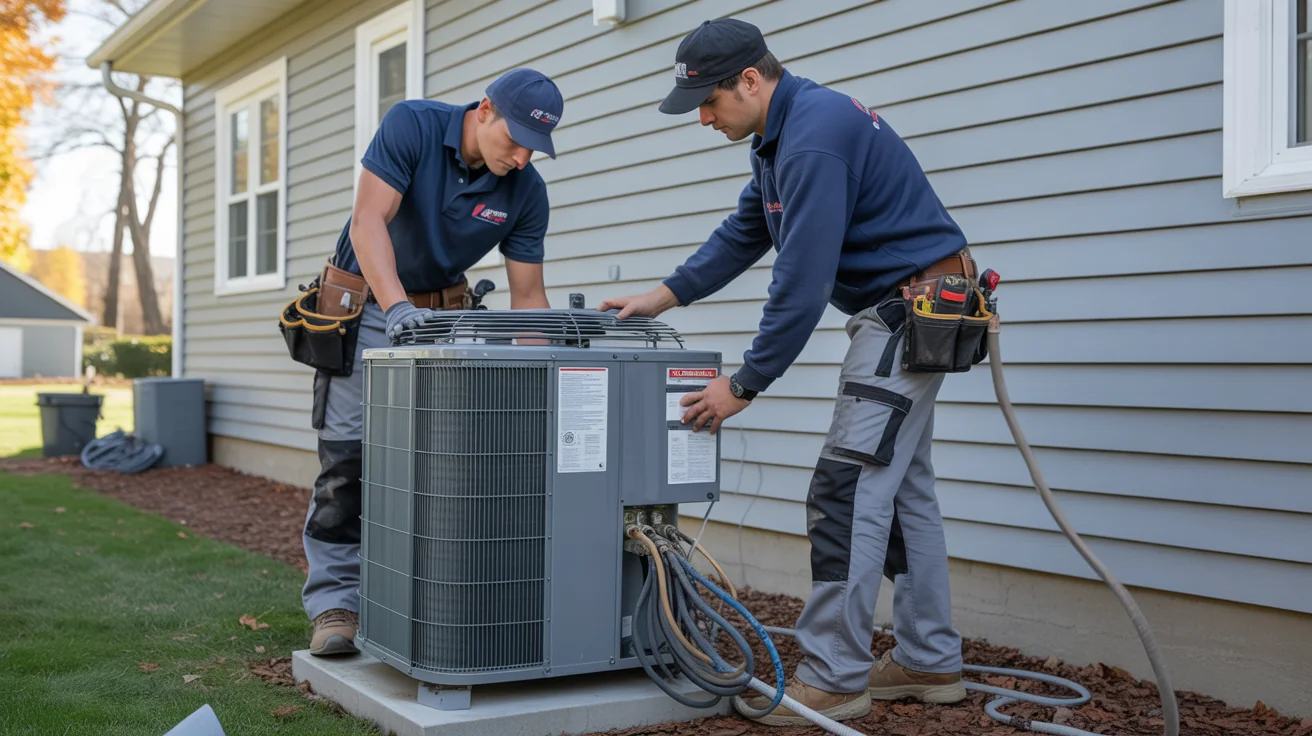
Professional ductwork design and installation in Texas runs $2,500-$15,000. It follows Manual D sizing standards, TREC’s 12% max duct leakage rule, and requires R-8 minimum insulation in unconditioned spaces. Here’s the thing most homeowners don’t realize: 83% of Texas homes have ductwork problems that waste 25-40% of their HVAC capacity. Properly designed ductwork saves 15-25% on energy compared to undersized systems. Texas attics hit 140°F regularly, so you really need R-10 to R-12 insulation up there (not just the code minimum). Galvanized steel works best for main trunks. Flex duct is fine for branch runs under 25 feet as long as it’s supported every 4 feet.
Professional Ductwork Design Standards for Texas Climate
Related: Ductwork Design
I want to tell you about a job that still bugs me. A family in McKinney dropped $22,000 on a premium 22 SEER variable-speed system. Top of the line. Should’ve been incredible. Instead, they got 40% reduced efficiency from undersized, leaky ductwork. Their energy bills were $850 higher per year than they should’ve been. Rooms upstairs were 8 degrees hotter than downstairs. And the system died after 6 years when it should’ve lasted 15-20.
The problem? Nobody touched the 20-year-old ductwork when they installed that fancy new system. Just bolted a $22,000 unit onto junk ducts and called it a day. By the time I got there, they’d wasted over $12,400 in energy costs and equipment damage. Once we replaced the ductwork with a properly designed system, everything clicked. The efficiency they’d been promised from day one finally showed up.
This is way more common than people think. 83% of Texas homes have ductwork problems turning even the best equipment into energy hogs. You can buy the fanciest system on the market, but if the ducts are wrong, you’re throwing money into your attic.
Need professional ductwork design and installation? Call Jupitair HVAC at (940) 390-5676 for expert ductwork solutions across North Texas.
Why Texas Demands Professional Ductwork Standards
After fifteen years designing and installing ductwork across North Texas, I can tell you flat out: what works in mild climates will fall apart here. That McKinney story isn’t unusual. I see expensive systems crippled by bad ductwork almost every week.
Climate Stress That Wrecks Standard Work
People don’t believe me when I say attic temperatures regularly blow past 140°F in a North Texas summer. But I’ve been up there with a thermometer. That’s the reality your ductwork lives in for months straight. I’ve torn apart installations that looked clean and professional from the outside but were completely destroyed by thermal stress. The installer didn’t account for what happens when you cook metal and plastic at those temperatures month after month.
Humidity sneaks up on contractors who aren’t from here, too. Even in Plano, where outdoor humidity seems manageable, the constant AC operation creates moisture conditions inside the ducts that grow things you don’t want to think about. I once opened up a system where bad vapor barrier work had let so much condensation build up that mold was running through the entire network. Rip and replace. Plus professional remediation. Not cheap.
Then there’s the thermal cycling. Your ductwork bakes at 140 degrees during the day and cools to 75 at night. Over and over. Connections that feel tight during installation work themselves loose over a season or two if they’re not built for that kind of expansion and contraction.
Construction Challenges You Can’t Ignore
Slab-on-grade is standard here, so forget about running ducts under the house like they do up north. Everything goes in the attic or inside conditioned space. Both demand specialized design. Your routing options shrink fast, and every choice you make ripples through the whole system’s performance.
I’ve done retrofit projects where existing framing and structural work made proper duct design feel nearly impossible with standard techniques. You end up problem-solving on the fly, using approaches most contractors haven’t been trained on. (Honestly, some of my best work came from jobs where nothing went according to plan.)
Texas Ductwork Code Requirements and Standards
Texas Residential Energy Code (TREC) Requirements
Code requirements aren’t just about passing inspection. They’re about building ductwork that actually works. The 2021 TREC standards are the floor, not the ceiling. I always exceed them because the minimums just aren’t enough for our summers.
What the Code Actually Means in Practice
That 12% duct leakage limit sounds generous. But losing 12% of your airflow really costs you 15-20% of your system’s capacity. In Michigan, systems have extra capacity to absorb that kind of loss. Here, where your AC runs flat out from June through September, that 12% can be the difference between a house that stays cool and one that never quite gets there.
The R-8 insulation requirement was modeled for moderate attic temps. When you’re dealing with 140°F attics? R-8 doesn’t cut it. I put in R-10 or R-12 in North Texas attics because the energy savings pay for the upgrade inside two years. Sometimes faster.
I test every system to tighter standards than code requires. Code compliance is where we start. Not where we finish.
Manual D Design Standards
ACCA Manual D Compliance:
Real ductwork design starts with science, not rules of thumb. You run load calculations room by room, then size the ducts using the friction rate method so every room gets the airflow it actually needs. That includes fitting loss calculations for every elbow, tee, and transition in the system. Skip any of that and you’re guessing.
Why Manual D Design Matters:
When duct sizing matches the load calc, your equipment runs at its designed efficiency. Hot spots and cold spots disappear. You stop losing conditioned air to duct problems. And your equipment doesn’t get stressed from fighting airflow restrictions. I’ve seen systems last 5 extra years just because the ductwork was done right. That’s not a sales pitch. It’s math.
Material and Installation Standards
Approved Duct Materials:
Texas installations use a few different materials depending on what you’re building. Galvanized steel is the go-to for main trunks and commercial work because it’s tough and fire-resistant. Flex duct handles branch connections well when it’s properly supported (more on that later). Duct board works great for custom fabrication and kills sound in offices and clinics. PVC has a narrow use case for underground runs.
Installation Requirements:
Every duct needs proper support so it doesn’t sag and choke off airflow over time. Connections have to be sealed with approved materials. Insulation needs to be applied carefully to prevent both energy losses and condensation. Fire safety compliance is non-negotiable. I know that all sounds obvious, but you’d be surprised how often I open an attic and find flex duct draped over framing like a garden hose with no supports in sight.
Ductwork Design Principles for Texas Climate
Load-Based Duct Sizing
Manual D Calculation Process:
Here’s how I approach it on every job. First, I calculate the exact airflow needs for each room based on its size, insulation, windows, sun exposure. Second, I figure out the total equipment airflow to make sure the duct system can handle what the HVAC unit puts out. Third, I run the friction rate calculations to get the right duct sizes everywhere. Finally, I balance the whole system so every room gets what it needs. Four steps. None optional.
What Proper Sizing Actually Gets You:
Your equipment runs the way it was designed to run. Rooms stay within a degree or two of each other instead of having that annoying 6-8 degree swing between upstairs and down. Operating costs drop because the system isn’t fighting itself. And the equipment lasts longer because it’s not being punished by airflow restrictions. I had a customer in Allen whose compressor was cycling every 3 minutes because the return duct was so undersized it was starving the air handler. New ductwork, same unit, problem solved.
Texas-Specific Design Considerations
Attic Installation Challenges:
Attic installations in Texas are a different animal. The extreme heat demands insulation well beyond code minimums. You need proper vapor barriers or you’ll get condensation dripping onto drywall and growing mold. (I’ve seen ceilings ruined by this.) You have to plan for future service access because someone’s going to need to get up there eventually. And the ductwork supports have to account for thermal expansion - things move more than people expect at those temperatures.
Underground Duct Systems:
Underground ducts need waterproofing that actually holds up. Poor drainage means standing water around your ducts, and I’ve pulled systems out of slabs that were basically sitting in a swimming pool. Insulation specs are different underground. And you absolutely need to plan for future access, because digging up a slab to fix a duct problem is nobody’s idea of a good time.
Zoning and Air Distribution
Single-Zone Design:
Single-zone systems make sense for open floor plans where the load is pretty even throughout the house. One thermostat, straightforward controls, lower installation cost. For a ranch-style home with an open concept, single zone works well. The key is getting the air distribution balanced so no room feels neglected.
Multi-Zone Systems:
Two-story homes, homes with big windows on one side, bonus rooms over garages - these almost always need zoning. You put dampers in the ductwork, run multiple thermostats, and let different areas call for different amounts of air. It costs more upfront, but living in a house where every room is comfortable? Worth it. I install a lot of these in Frisco and Prosper where the newer two-stories really need it.
Duct Materials and Selection Criteria
Galvanized Steel Ductwork
Best Applications:
Galvanized steel is what I reach for on main trunk lines, commercial jobs, high-pressure systems, and anywhere the ductwork will be visible. It’s the workhorse.
Advantages:
Lasts 30+ years with decent maintenance. Fire resistant enough for the strictest codes. The smooth inside surface moves air better than any other material. And you can fabricate it into whatever shape you need, which matters a lot in tight mechanical rooms.
Installation Considerations:
You need real sheet metal tools and training to work with galvanized. This isn’t DIY territory. The supports have to prevent vibration (nobody wants to hear their ductwork humming at 2 AM). Connections need the right sealants for metal-to-metal joints. And insulation has to go on correctly with a solid vapor barrier or you’ll get condensation running down the outside of the duct.
Flexible Ductwork Applications
Appropriate Uses:
Flex duct works well as the last connection from a rigid trunk to a register. Short runs, under 25 feet. Retrofits where you need to snake around existing framing. Branch runs to individual rooms. That’s where it belongs.
Quality Requirements:
All flex duct should carry UL 181 Class 1 listing. R-6 or R-8 insulation to meet Texas energy code. Supports every 4 feet max to keep it from sagging. And here’s the one I see messed up constantly: don’t compress it. A flex duct that’s bunched up and kinked loses a huge amount of airflow. Stretch it out, keep it straight, support it properly.
Installation Standards:
Straight runs whenever possible. Approved connectors and clamps at every joint. No sagging, no kinks. Sealed tight at both ends. I’ve gone into attics where flex duct looked like a pile of spaghetti thrown on the insulation. Every bend, every sag, every kink is choking your airflow. Treat flex duct with respect and it works fine. Treat it like a garden hose and your system suffers.
Duct Board Systems
Commercial Applications:
Duct board shines in commercial settings where you need custom shapes and sound control matters. Offices, medical clinics, schools. The insulation is built right into the material, so you’re killing two birds with one stone. Fire-rated versions meet the stricter commercial code requirements.
Residential Uses:
On the residential side, duct board makes great return air plenums when you’ve got room for them. Interior installations in conditioned space benefit from the built-in insulation. Renovation projects where standard materials don’t fit? Duct board can be fabricated to work around almost anything.
Professional Duct Sealing Standards
Need repairs? Check out our Duct Sealing solutions.
Air Leakage Testing Requirements
Texas Testing Standards:
Texas code requires duct blaster testing to measure total system leakage. New construction has to hit 12% max leakage or you don’t pass inspection. Existing system modifications get a little more room at 15%. After any sealing work, you test again to verify the improvement.
Testing Process:
We seal all the registers and returns, hook up the fan, pressurize the system to the standard test pressure, and measure how much air escapes. Simple concept. But the results don’t lie. I’ve tested systems that homeowners swore were “fine” and found 30%+ leakage. That’s almost a third of the conditioned air going into the attic.
Professional Sealing Materials
Mastic Sealant:
I’m a mastic guy. Fiber-reinforced mastic with UL 181 A-M and B-M listing is the gold standard for sealing ducts. It handles Texas heat without breaking down, stays flexible through all the thermal cycling, and it lasts. I’ve gone back to inspect systems I sealed with mastic 10 years ago. Still holding.
Approved Tapes:
UL 181 listed tapes (A-P and B-P rated) have their place. Metal-backed tape for permanent metal-to-metal connections. Foil tape for specific applications. But tape has limits. It’s not a substitute for mastic on most joints. And regular duct tape (the silver stuff from the hardware store) has absolutely no business on ductwork. Despite the name. It dries out and falls off inside of two years.
Sealing Application Methods
Connection Sealing:
Every connection in the system is a potential leak. Joints between duct sections. Where ducts punch through walls and ceilings. Equipment connections at the air handler. Register boots. You seal all of it. Miss one connection and it’s like plugging 9 out of 10 holes in a bucket.
Professional Installation:
Clean the surfaces first or nothing sticks. Apply mastic with the right technique (not too thin, not too thick). Inspect every connection before you call it done. Then test the whole system with actual measuring equipment. Visual inspection alone doesn’t cut it. You’d be amazed how often a connection that looks sealed is still leaking.
Insulation Requirements for Texas Ductwork
Energy Code Insulation Standards
Minimum Insulation Requirements:
Texas code says R-8 in unconditioned spaces like attics. Supply ducts in conditioned spaces need R-6 minimum. Vapor barriers are required everywhere to fight condensation. And the coverage has to be continuous - no gaps, no bare spots. Every exposed inch of duct is a spot where you’re losing money.
Why I Go Beyond Code:
I’ve been saying it throughout this article and I’ll say it again: R-8 isn’t enough for a North Texas attic. R-10 to R-12 is what I install. The energy savings are measurable. Condensation problems virtually disappear. Delivery air stays closer to the temperature it left the unit at. And the comfort difference is noticeable from day one. Spending an extra few hundred on insulation to save thousands over the life of the system is just common sense.
Insulation Material Selection
Fiberglass Duct Wrap:
Vinyl-faced fiberglass wrap is the standard for insulating rigid ductwork. Comes in different thicknesses so you can hit whatever R-value you need. Wraps around complex shapes well enough. Fire resistant without any extra treatment. The vinyl face serves as your vapor barrier.
Flexible Duct Insulation:
Flex duct comes with insulation already on it from the factory. That’s actually one of its advantages since there’s no gap in coverage along the run. R-6 to R-8 is standard. The integrated vapor barrier handles condensation. Just make sure it doesn’t get torn or compressed during installation or you lose what you’re paying for.
Installation Best Practices
Proper Installation Techniques:
No gaps. No tears in the vapor barrier. Fastened so it doesn’t slide or settle over time. Joints between insulation sections sealed. Sounds simple, and it is, but I see it done wrong constantly. A 6-inch gap in insulation coverage might not look like much, but it becomes a condensation magnet and an energy drain.
Common Installation Mistakes:
Crushed insulation is the big one. When someone stuffs an R-8 wrapped duct into a space that’s too tight, they smash the fiberglass flat and kill the R-value. Torn vapor barriers let moisture in, and then you’ve got wet insulation that doesn’t insulate and breeds mold. Leaving sections uncovered, especially at connections and fittings. Not securing the wrap so it sags off over time. All of these are things I fix regularly on other people’s work.
HVAC System Integration and Balancing
Airflow Design and Distribution
Proper Airflow Requirements:
The duct system has to move exactly the right amount of air that the equipment was designed to push. Too little return air and the system starves. Too much resistance in the supply side and static pressure climbs, the blower works harder, and energy bills go up. Every room needs a specific CFM based on its load calculation. Getting this right is where the Manual D work pays off.
Balancing Procedures:
After installation, I measure airflow at every single register and return. Then I adjust dampers until each space is getting what the design calls for. Temperature checks at different spots confirm it’s all working. This isn’t a quick step. On a big house with zoning, balancing can take half a day. But it’s the difference between a system that works on paper and one that actually keeps people comfortable.
Equipment Integration Considerations
HVAC Unit Connections:
The connection between your ductwork and the air handler matters more than people realize. Size it wrong and you’re choking the system right at the source. Seal it wrong and you’ve got your biggest leak right next to the equipment. Vibration isolation keeps the blower from transmitting noise through the entire duct system. And leave room for service access - your tech will thank you.
Control System Integration:
Zoning controls need to work with the duct design, not fight it. Thermostats go where they’ll read representative temperatures, not above a heat-generating appliance or in a drafty hallway. Dampers need to respond correctly when zones call for air. And the system should have some way to monitor performance over time so problems get caught early instead of after you’ve been uncomfortable for three months.
Performance Verification
Commissioning Process:
Before I hand over a system, I test everything. Airflow at every register matches design specs. Temperature readings confirm each room is getting proper conditioning. Energy performance meets the projections. Then I walk the homeowner through how the system works and what maintenance they need to do. A lot of contractors skip this step. I think it’s one of the most important parts of the job.
Documentation Requirements:
You should get as-built drawings showing exactly what was installed (not just the design drawings, because things always change during installation). Test reports with actual measured data. Warranty paperwork. And a maintenance schedule — our maintenance plans include annual duct inspections. If your ductwork contractor doesn’t give you this stuff, that’s a red flag.
Common Ductwork Problems and Solutions
Undersized Ductwork Issues
How to Spot It:
Weak airflow at registers. Energy bills that don’t make sense for your equipment. Rooms that never seem to get comfortable. Equipment that’s short-cycling or running constantly. These all point to ducts that are too small for the system. I’d estimate I find undersized ductwork on about half the service calls where “the AC isn’t keeping up.”
Fixing It:
Start with a load calculation to figure out what you actually need. Then size the ductwork to match. Sometimes you can upsize specific runs that are the worst bottlenecks. Other times, especially in older homes where everything was undersized, it’s a full duct replacement. After the new ductwork goes in, rebalance the whole system and verify that the equipment and the duct system are actually working together.
Air Leakage Problems
Where the Leaks Are:
Joints where duct sections connect. Where the ductwork meets the air handler or furnace. Register boots in walls and ceilings. And anywhere ducts pass through framing or barriers. If I had to pick the single most common spot, it’s the connection at the supply plenum. That one joint can leak more than the entire rest of the system combined.
Sealing Solutions:
Don’t guess where the leaks are. Test. Then apply mastic to every problem connection. Upgrade any mechanical fasteners that are loose or missing. Test again to verify the fix. I’ve had systems go from 28% leakage to under 5% with professional sealing. The homeowner’s next electricity bill told the whole story.
Insulation Deficiencies
Signs of Trouble:
High bills despite good equipment. Temperature differences between rooms that change with the seasons (worse in summer means attic insulation problems). Condensation or water stains near duct runs. System running way more than it should. All of these can trace back to insulation that’s failed, fallen off, or was never adequate in the first place.
Insulation Upgrades:
First, bring everything up to current code. Then go beyond code to R-10 or R-12 in the attic. Fix or replace any damaged vapor barriers. And have it installed by someone who understands that crushed insulation and gaps are just as bad as no insulation at all. Done right, insulation upgrades improve indoor air quality too by eliminating condensation that feeds mold.
Ductwork Installation Best Practices
Planning and Design Phase
Before You Start:
The load calculation has to be done first. Not “we’ll figure it out as we go.” Then Manual D design gives you actual duct sizes for every run. Material selection comes next (galvanized trunks, flex branches, or whatever the application calls for). And route planning needs to happen before anyone picks up a tool. How many times have I seen a crew start cutting sheet metal before they even knew where the second-floor return was going? Too many.
Coordinating the Work:
You’ve got to work around existing structure, which in a retrofit means joists and wiring and plumbing that are already in place. Electricians and plumbers need to know your duct routing so nobody’s fighting for the same space. Pull your permits. Plan for future access. I always try to route ductwork so a tech can reach connections and dampers without doing gymnastics in the attic.
Installation Quality Standards
Doing It Right:
Proper hangers and supports. Mechanical fasteners at every connection. Mastic on every joint. Insulation applied correctly and completely. This is skilled work. The difference between ductwork installed by a trained crew and ductwork installed by whoever was available that day is enormous.
Quality Control:
I check work as it progresses, not just at the end. Verify materials match spec. Test the system before closing up ceiling or wall access. Commission the whole thing at the end. Catching a problem during installation costs almost nothing. Catching it after the drywall’s up costs a fortune.
Testing and Verification
Performance Testing:
Measure airflow at every register. Run a duct blaster test for leakage. Check supply air temperatures to make sure insulation is doing its job. Verify that the actual energy performance matches what the design promised. Testing is how you prove the work, not just to the inspector, but to yourself and the homeowner.
Wrapping Up the Project:
Document everything. Installation records for warranty claims. Test results showing actual performance. Instructions for the homeowner covering filter changes, what to look for, when to call for service. A maintenance schedule with real intervals. The paperwork isn’t glamorous, but it protects everyone.
Cost Analysis and Investment Considerations
Ductwork System Investment
New Installation Costs:
A basic duct system for a straightforward ranch house runs $2,500 to $6,000. Premium installations with better materials and more complex routing land at $4,500 to $9,000. If you’ve got a large two-story with lots of zones and challenging attic work, you could be looking at $6,000 to $15,000. Commercial ductwork typically runs $3 to $8 per square foot depending on what’s involved.
What Drives the Price:
System complexity is the biggest factor. A simple trunk-and-branch layout in an accessible attic costs a lot less than a multi-zone system threaded through existing framing. Material choice matters too since galvanized trunks cost more than all-flex but last longer and perform better. Accessibility affects labor hours in a big way. And bringing older systems up to current code adds cost that’s unavoidable if you want it done right.
Return on Investment Analysis
Energy Savings You Can Actually Measure:
Properly sized ducts save 15-25% over undersized ones. Just from moving the right amount of air. Professional sealing adds another 10-20% by keeping conditioned air in the system instead of dumping it in the attic. Proper insulation saves 8-15% more by keeping the air at the right temperature as it travels from the unit to the register. And system balancing squeezes out another 5-12%. Stack all of that up and you’re looking at a system that pays for itself.
Beyond the Energy Bill:
Even temperature throughout your house. Cleaner air because the system isn’t sucking attic dust through leaky returns. Equipment that lasts years longer because it’s not being overworked. And when you sell the house, properly designed ductwork is a real selling point. Buyers (and their inspectors) notice the difference between professional work and hacked-together ductwork.
Maintenance and Longevity
What Professional Installation Gets You Long-Term:
A system that lasts 25-30 years instead of 15. Lower maintenance costs because problems don’t develop as fast. Efficiency that holds up over time instead of degrading year after year. And warranty coverage that actually means something because the installation was done to spec.
Long-Term Value:
Property value goes up. Energy costs stay predictable. Comfort stays consistent. And you’re not calling for emergency repair on a Saturday night because a duct connection failed. I’ve worked on houses where the original ductwork was installed properly 25 years ago and it’s still performing well. That’s what good work looks like.
Regional Installation Considerations
North Texas Climate Factors
Attic Installation Challenges:
I keep coming back to this because it’s the single biggest factor in North Texas ductwork: that attic heat. R-8 insulation in a 140°F attic lets too much heat soak into your supply air. Connections loosen from thermal cycling. Vapor barriers fail and condensation starts. You need to plan every attic installation around the reality that conditions up there are brutal for 5-6 months straight.
Local Adaptations:
Everything I install in North Texas attics goes above code on insulation. Sealing gets extra attention because energy losses in extreme heat cost more per leaked CFM than in mild climates. Materials get chosen for heat tolerance, not just price. And installation techniques reflect 15 years of learning what holds up here and what doesn’t.
Local Code Compliance
Municipal Requirements:
Different cities have their own quirks on permits, inspection schedules, and energy efficiency standards. Some are stricter than state minimums. Fire safety codes affect duct routing and material choices. You need to know what your specific city requires before you start, not after the inspector shows up.
Professional Compliance:
This is honestly one of the biggest advantages of hiring a pro who works in the area full-time. I know the inspectors, I know the local code variations, I know what McKinney wants versus what The Colony wants. Permit handling, inspection scheduling, documentation, it all goes smoother when you’ve done it hundreds of times in the same municipalities.
Frequently Asked Questions
How do I know if my ductwork needs replacement?
The big warning signs: energy bills that stay high even after you’ve installed efficient equipment. Rooms that are always hotter or colder than the rest of the house. Weak airflow at registers. Dust that comes back no matter how much you clean. And obviously, any ducts you can see that are disconnected, crushed, or falling apart.
If you’re seeing any of these, get a professional inspection. We can tell you whether you need spot repairs or a full replacement.
What type of load study is recommended for duct design?
Manual J followed by Manual D is the right sequence:
Step 1 - Manual J (Load Calculation): Manual J figures out exactly how much heating and cooling each room needs. Square footage, insulation, windows, orientation, occupancy. This gives you the BTU requirements per space. Without this, duct sizing is just guessing.
Step 2 - Manual S (Equipment Selection): Manual J tells you what loads you need to meet. Manual S helps you pick the right equipment to meet them.
Step 3 - Manual D (Duct Design): Manual D takes the equipment’s CFM output and each room’s requirements from Manual J, then sizes every duct run. It calculates dimensions, velocities, and pressure drops so every room gets the right airflow.
Why this matters for Texas homes: Most contractors skip Manual J and eyeball duct sizes based on rules of thumb like 400 CFM per ton. That gives you unbalanced systems, hot rooms, cold rooms, wasted energy. A proper load study costs $300-$800 but prevents $3,000+ in problems over the system’s life.
Bottom line: Any duct design that doesn’t start with Manual J is fundamentally flawed. Ask to see the calculations before you approve the work.
What’s the difference between Manual D design and standard ductwork?
Manual D is science. “Standard” is guessing. Manual D sizes every duct based on actual load calculations so each room gets the airflow it needs. Equipment runs at its designed efficiency. No hot spots, no cold spots. The system works as a system instead of a collection of random duct sizes that some installer thought looked about right.
Rule-of-thumb installations almost always end up with undersized ducts and poor performance. I’ve replaced a lot of “standard” ductwork that was causing problems from day one.
How much does professional ductwork installation cost?
It depends on your house. Bigger homes need more material and labor. Complex layouts with lots of turns and tight spaces take longer. Premium materials cost more but last longer. And if your home doesn’t meet current codes, bringing it into compliance adds to the total.
For most North Texas homes, you’re looking at $2,500-$15,000 depending on what’s involved. The best way to get an accurate number is to get a professional quote based on your specific situation.
Can I install ductwork myself?
I’d strongly recommend against it. Code compliance requires knowing standards that change regularly and vary by city. Proper sizing needs Manual D calculations. Sealing requires materials and techniques that aren’t available at Home Depot. And getting the ductwork to work properly with your equipment takes HVAC system knowledge that comes from training and experience.
DIY ductwork installations usually end up with code violations, poor performance, and a professional call to fix it anyway. Save yourself the trouble.
How often should ductwork be inspected?
New systems: have them checked after the first year and again after the second year to catch any settling or connection issues. After that, every 3-5 years for preventive maintenance is a good interval. If you notice poor airflow, rising bills, or uneven temperatures, get it looked at right away rather than waiting for the next scheduled check.
Any time you modify your HVAC system or change equipment, have the ductwork inspected too. New equipment on old ducts is one of the most common mismatches I see.
What maintenance does ductwork require?
Check for visible damage or disconnections when you’re in the attic for anything else. Change your filters on schedule (this is really equipment maintenance, but it affects ductwork performance). Professional cleaning every few years removes dust buildup that restricts airflow. Periodic leak testing catches developing problems. And have the insulation checked for damage, especially after any work is done in the attic.
A professional maintenance program covers all of this and catches things you’d miss on your own.
Does the return duct portion of an air handling system need to be insulated? (True or False)
True. If it’s in an unconditioned space, it absolutely needs insulation.
This trips people up. They figure only supply ducts matter because those carry the conditioned air. But return ducts in attics, crawlspaces, or garages are just as important:
Why return duct insulation matters:
- Summer: Return ducts in a 140°F Texas attic absorb heat, making your AC work harder to cool the warmer return air
- Winter: Cold attic temperatures cool the return air, reducing heating efficiency
- Condensation: Uninsulated return ducts in humid conditions can sweat and drip, causing water damage and mold
Texas code requirements: Texas Energy Code requires R-8 minimum insulation on all ductwork in unconditioned spaces, and yes, that includes return ducts. In practice, I recommend R-10 to R-12 in attics because the temperature difference up there is so extreme.
When return duct insulation is NOT required:
- Return ducts running entirely within conditioned space (inside walls of conditioned areas)
- Return ducts in conditioned basements or closets
Bottom line: If your return duct runs through an attic, crawlspace, garage, or any unconditioned space, it needs the same insulation as your supply ducts. Skipping it can increase cooling costs by 10-15% in a Texas summer.
What organizations provide duct installation standards and guidelines?
The primary organizations that establish duct installation standards include:
ACCA (Air Conditioning Contractors of America)
- Manual D: The industry standard for residential duct design and sizing
- Manual Q: Commercial duct design procedures
- Quality Installation Standards: Best practices for duct installation
SMACNA (Sheet Metal and Air Conditioning Contractors’ National Association)
- HVAC Duct Construction Standards: Material specs, fabrication methods, support requirements
- Duct Leakage Testing Standard: Testing procedures and acceptable leakage rates
- Fibrous Glass Duct Construction Standards: Guidelines for ductboard and lined ductwork
ASHRAE (American Society of Heating, Refrigerating and Air-Conditioning Engineers)
- Standard 90.1: Commercial duct insulation and sealing requirements
- Fundamentals Handbook: Engineering data for duct design calculations
State and Local Codes
- Texas Residential Energy Code: Mandates R-8 minimum duct insulation in unconditioned spaces, maximum 12% duct leakage
- International Mechanical Code (IMC): Adopted by most Texas municipalities
- International Residential Code (IRC): Residential duct requirements
Testing Organizations
- NEBB (National Environmental Balancing Bureau): Air balancing and testing standards
- AABC (Associated Air Balance Council): Testing and balancing certification
For Texas residential installations, ACCA Manual D combined with Texas Energy Code requirements form the minimum standard. Quality contractors exceed these minimums and follow SMACNA construction standards for better durability.
Professional Ductwork Solutions North Texas
Your HVAC system is only as good as the ductwork that moves the air. I’ve been saying that for 15 years and I’ll keep saying it. If you’re dealing with comfort problems, high bills, or you’re putting in new equipment, don’t ignore the ducts.
Why Choose Jupitair for Ductwork Services:
I do Manual D design on every project. No guessing, no rules of thumb. Fifteen years in North Texas means I’ve dealt with every attic condition and building challenge this area can throw at you. Every installation exceeds code because I’ve seen what “just meeting code” looks like after 5 years in a 140-degree attic. And I stand behind the work with a full guarantee on materials and workmanship.
Ready for professional ductwork design and installation? Call (940) 390-5676 or contact us online for your ductwork consultation.
Stop letting bad ductwork waste your money. Get it done right the first time.
Sources & References
The ductwork standards, installation guidelines, and energy efficiency data in this article are based on the following authoritative sources:
- ACCA Manual D - Residential Duct Systems - Industry-standard duct sizing methodology
- U.S. Department of Energy - Ductwork - Duct sealing and insulation guidance
- ENERGY STAR - Duct Sealing - Efficiency improvement guidelines
- ASHRAE Standards - HVAC design and performance standards
- Texas Residential Energy Code - State energy code requirements
- SMACNA Duct Construction Standards - Sheet metal and air distribution standards
- Texas Department of Licensing - HVAC - State contractor licensing
Last Updated: January 2026
Need Professional HVAC Service?
Our certified technicians are ready to help with any HVAC needs in North Texas