Mini Split Cost Installed: $3,000-$22,000 by Zone (2026)
Real mini split installation costs in North Texas: $3,000 for single zone to $22,000 for 5-zone. Brand pricing, DIY vs pro, and when mini splits beat central AC.
- Mini Split Cost by Zone Count
- What Size Mini Split Do You Need?
- Single Zone vs Multi-Zone: Which Makes Sense?
- Brand Pricing in North Texas
- Installation Costs That Add Up
- Mini Split vs Central AC: When to Choose Which
- Rebates and Tax Credits for Mini Splits
- DIY Mini Split Kits: My Honest Take
+ 1 more sections below...
- Mini Split Cost by Zone Count
- What Size Mini Split Do You Need?
- Single Zone vs Multi-Zone: Which Makes Sense?
- Brand Pricing in North Texas
- Installation Costs That Add Up
- Mini Split vs Central AC: When to Choose Which
- Rebates and Tax Credits for Mini Splits
- DIY Mini Split Kits: My Honest Take
+ 1 more sections below...
A single-zone mini split costs $3,000 to $5,500 installed in North Texas. Multi-zone systems run $6,500 for two zones up to $22,000 for five zones. The final price depends on brand, BTU capacity, number of indoor units, and how much electrical and line set work your home needs. Heat pump mini splits (which heat and cool) qualify for a $2,000 federal tax credit that brings real costs down significantly.
Quick Price Guide
- Single zone (9K-12K BTU): $3,000-$5,500
- Single zone (18K-24K BTU): $4,500-$7,000
- 2-zone system: $6,500-$10,000
- 3-zone system: $9,000-$14,000
- 4-zone system: $12,000-$18,000
- 5-zone system: $15,000-$22,000
- DIY kits (equipment only): $1,500-$3,000
I install mini splits across Frisco, Plano, McKinney, Allen, and the rest of North Texas. These are the prices I actually charge in 2026, not national averages pulled from some database. Let me break it all down.
Mini Split Cost by Zone Count
The biggest factor in mini split pricing is how many zones you need. Each zone means one indoor wall unit connected to the outdoor condenser. More zones, more equipment, more labor.
Single Zone (One Room)
- 9,000 BTU (small bedroom, office): $3,000-$4,200 installed
- 12,000 BTU (standard bedroom, living room): $3,500-$5,500 installed
- 18,000 BTU (large living room, master suite): $4,500-$6,200 installed
- 24,000 BTU (open floor plan, large space): $5,500-$7,000 installed
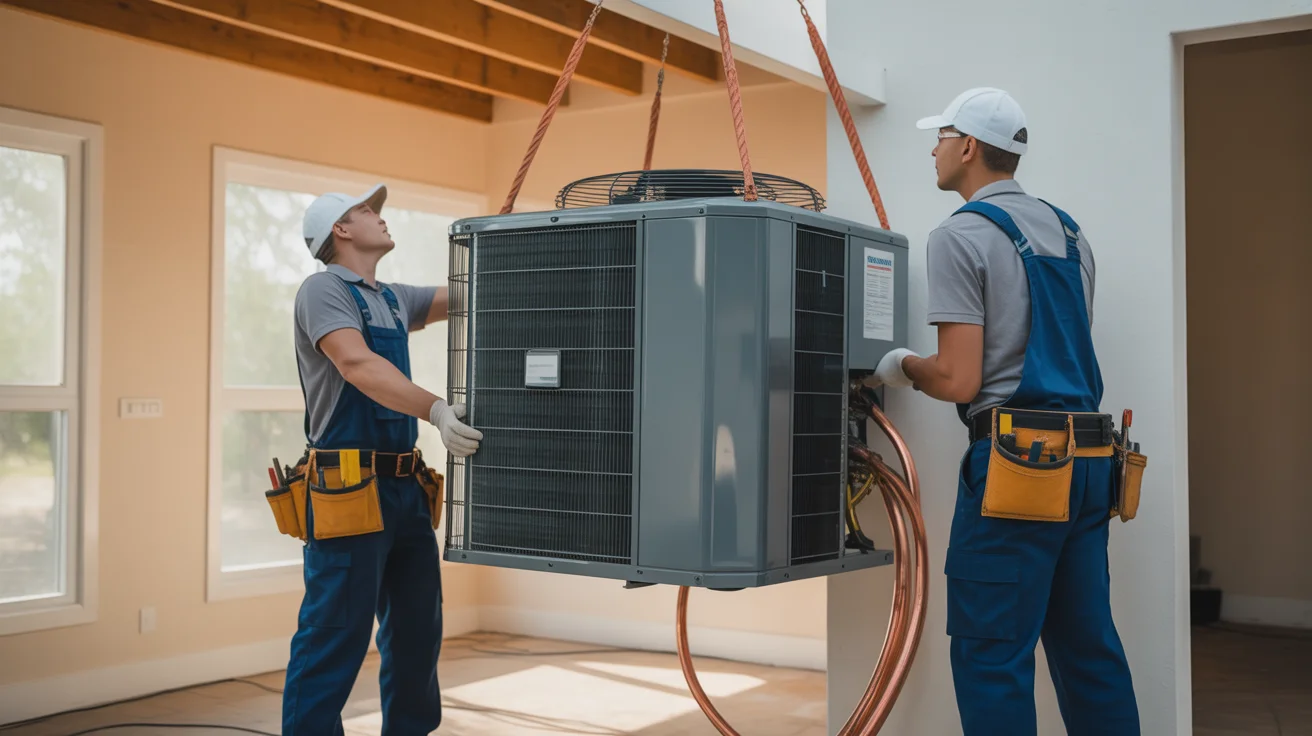
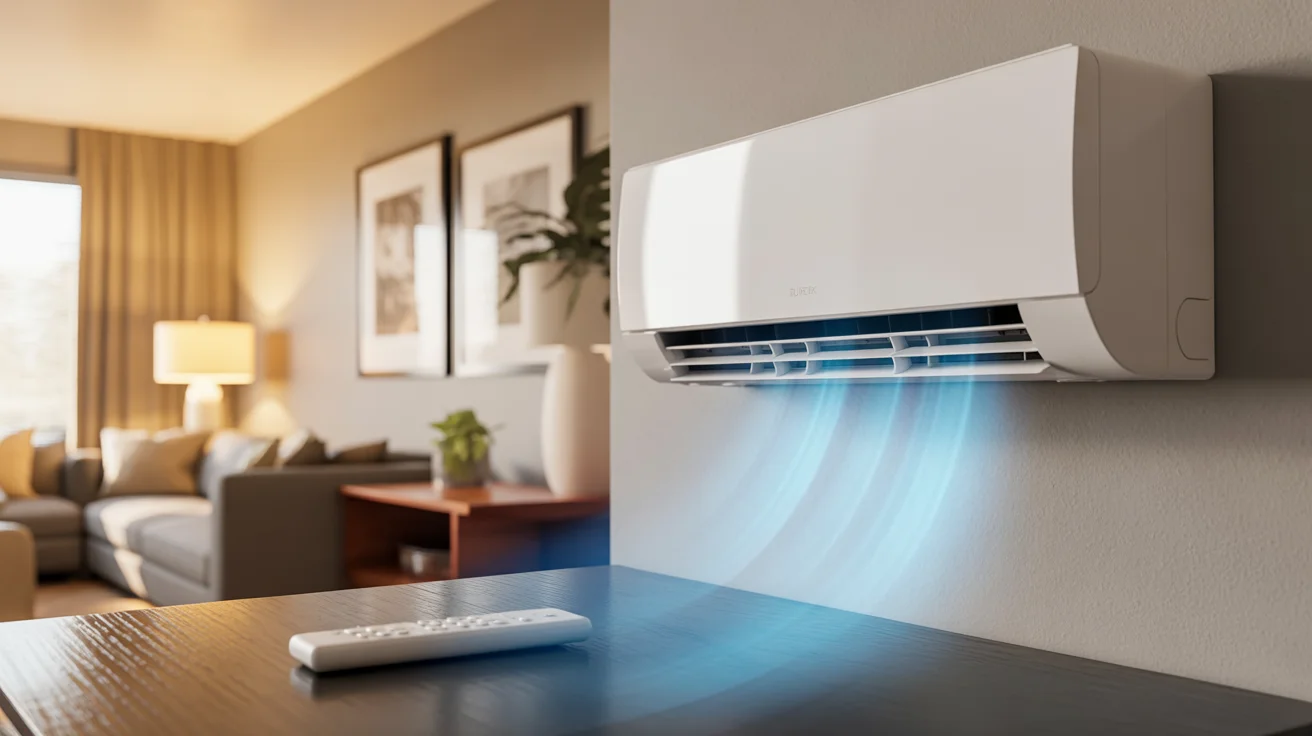
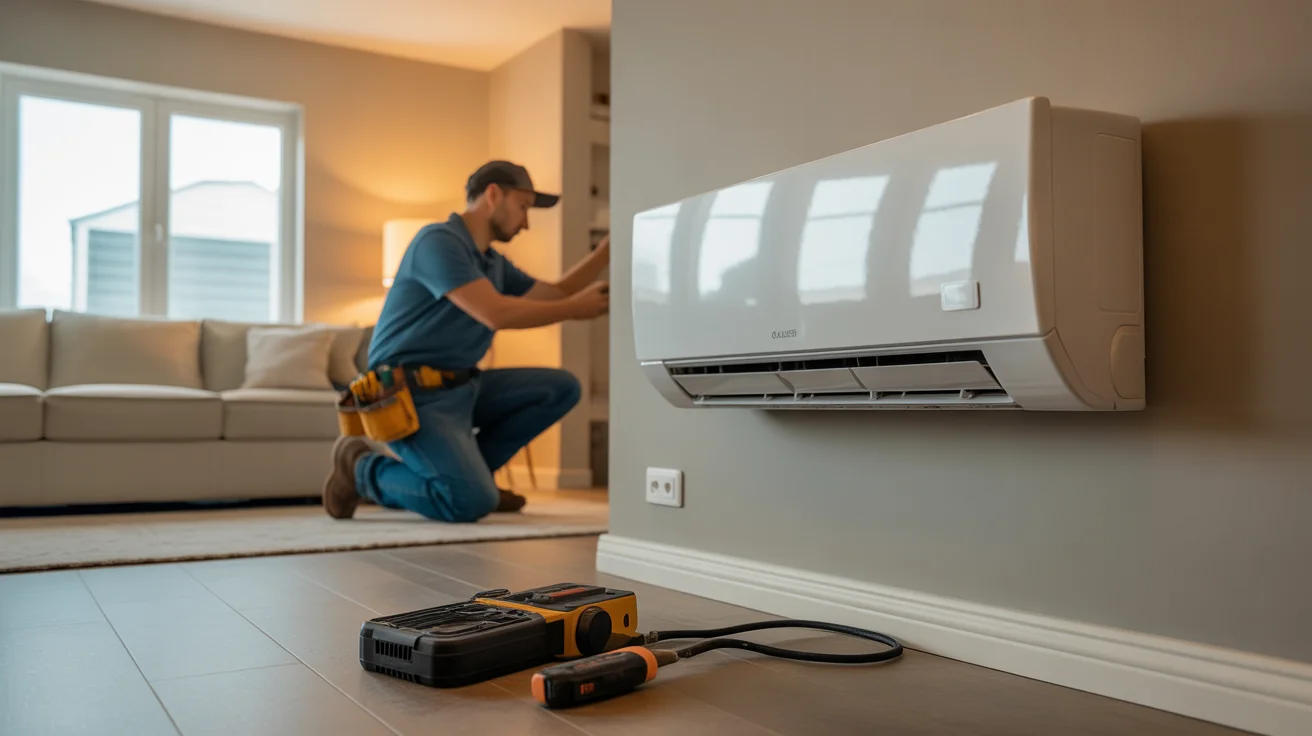
Single-zone installs are straightforward. I can usually finish one in 4 to 6 hours. You get one outdoor unit and one indoor unit connected by a copper line set through your wall.
Multi-Zone Systems
- 2-zone: $6,500-$10,000 installed
- 3-zone: $9,000-$14,000 installed
- 4-zone: $12,000-$18,000 installed
- 5-zone: $15,000-$22,000 installed
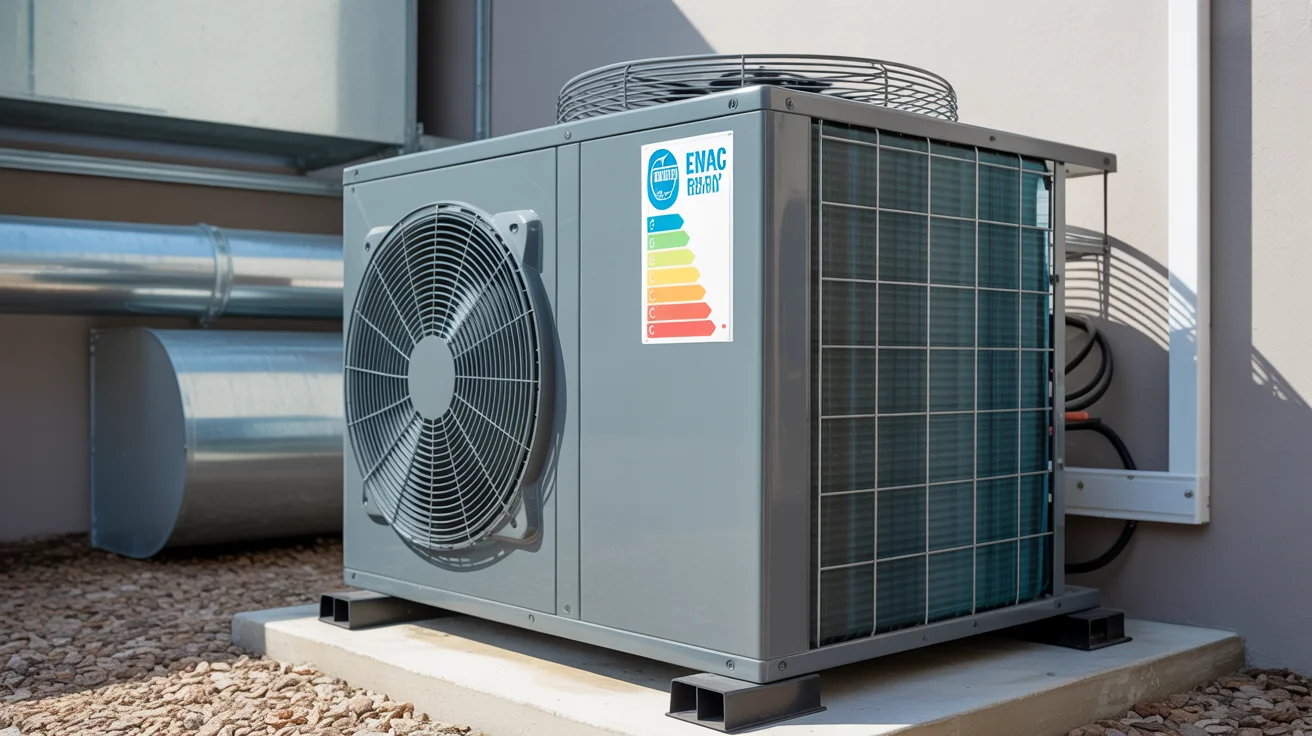
Multi-zone systems use one larger outdoor condenser with multiple indoor units. The price jumps come from the extra indoor units ($800-$1,500 each for equipment), longer line set runs, and the additional labor to mount and connect everything. A 3-zone install typically takes me a full day. A 5-zone system is a two-day job.
The sweet spot I see most often in North Texas? Two or three zones. That covers a garage conversion, a home addition, or a couple of rooms that the central system struggles with.
What Size Mini Split Do You Need?
Getting the BTU size right matters. Too small and it runs nonstop without keeping up on 105-degree days. Too big and it short-cycles, leaving you with humidity problems.
Here is what I recommend for North Texas homes:
| Room Size | BTU Needed | Typical Use |
|---|---|---|
| 150-250 sq ft | 9,000 BTU | Small bedroom, home office |
| 250-400 sq ft | 12,000 BTU | Standard bedroom, den |
| 400-550 sq ft | 18,000 BTU | Master suite, large living room |
| 550-700 sq ft | 24,000 BTU | Open kitchen/living, bonus room |
| 700-1,000 sq ft | 30,000-36,000 BTU | Large open floor plan |
These numbers account for our Texas heat. If your room gets direct afternoon sun or has tall ceilings, bump up one size. I always do a proper load calculation before recommending a system, because guessing costs you money either way.
For most garage conversions in Frisco and Plano, I install 12,000 or 18,000 BTU units. Garages have minimal insulation and get brutally hot, so they need more capacity than a bedroom the same size.
Single Zone vs Multi-Zone: Which Makes Sense?
This is the question I get asked most. The answer depends on what you are trying to solve.
Choose single zone when:
- You have one problem room (a hot bonus room, a converted garage, a sunroom)
- You want to add cooling to a detached building like a workshop or casita
- Budget is tight and you need to start somewhere
- Your central AC handles the rest of the house fine
Choose multi-zone when:
- Your home has no ductwork at all (older homes, historic properties)
- You are converting an entire floor or wing that is not connected to central air
- You want independent temperature control in different rooms
- You are building an ADU or mother-in-law suite
Here is the cost math. Say you need cooling in three rooms. Three separate single-zone systems would cost roughly $10,500 to $16,500 total (3 outdoor units, 3 indoor units). A 3-zone multi-zone system costs $9,000 to $14,000 (1 outdoor unit, 3 indoor units). The multi-zone saves you money and only puts one condenser on the side of your house instead of three.
The trade-off? If the outdoor unit on a multi-zone system fails, all three rooms lose cooling at once. With separate single-zone units, a failure only affects one room. For North Texas summers where going without AC is not an option, that is worth thinking about.
Brand Pricing in North Texas
Not all mini splits are equal, and the brand you choose makes a real difference in price. Here is what I see in 2026 for a typical single-zone 12,000 BTU installation:
Mitsubishi (Premium)
- Single zone installed: $4,500-$5,500
- Hyper Heat models (for serious heating): add 20-30%
- Best inverter technology on the market. Quietest indoor units. Parts are easy to get in DFW.
Daikin (Mid-Range, Best Value)
- Single zone installed: $3,800-$5,000
- Great balance of quality and price. Daikin has solid warranty support and their compressors are rock solid. This is what I recommend most often.
Fujitsu (Mid-Range)
- Single zone installed: $3,500-$4,800
- Reliable and efficient. Slightly less dealer support in North Texas than Mitsubishi or Daikin, but still a solid choice.
MrCool (Budget/DIY)
- Single zone installed: $2,800-$4,000
- DIY kit (equipment only): $1,500-$2,500
- Pre-charged line sets make DIY possible. Good for budget-conscious homeowners willing to do the work themselves.
Pioneer (Budget)
- Single zone installed: $2,500-$3,500
- Lowest upfront cost. Adequate for spaces where premium efficiency is not critical. Parts availability can be an issue.
I install Mitsubishi and Daikin most often. They hold up to Texas heat, have strong warranty networks in DFW, and I can get replacement parts fast when something goes wrong five years down the road. The cheap brands save you money today but can cost more in the long run.
Installation Costs That Add Up
The equipment is only part of the total price. Here are the installation factors that move the needle:
Electrical Work: $300-$3,000 Mini splits need a dedicated circuit. If your electrical panel has room, adding a 20-amp or 30-amp breaker is $300-$500. If your panel is full or outdated, an upgrade runs $1,500-$3,000. Homes built before 1990 in McKinney and Allen almost always need panel work.
Line Set Length: $0-$1,500 extra The copper lines connecting indoor and outdoor units are included up to about 15 feet in most quotes. Every extra foot beyond that adds $15-$25. If your outdoor unit needs to sit far from the indoor unit, or if you are running lines to a second floor, this adds up.
Wall Penetration and Mounting: $0-$500 Standard installs include one wall penetration per indoor unit. If you need the line set routed through multiple walls, ceilings, or chases to hide the lines, that is extra labor.
Permits: $75-$250 Most cities in Collin and Denton counties require a mechanical permit for mini split installation. I pull these for every job. Some contractors skip permits to save you $100, but that creates problems when you sell your home.
Condensate Drain: $0-$400 Indoor units produce condensation that needs to drain somewhere. If gravity drainage works, it is included. If we need a condensate pump to move water uphill (common in below-grade installations), that is $200-$400 extra.
Aesthetic Line Set Covers: $150-$400 Those white plastic covers that hide the copper lines on the outside of your house. Optional, but most homeowners in Prosper and Frisco want them. HOAs sometimes require them.
Mini Split vs Central AC: When to Choose Which
I install both central AC and mini splits. Neither is always better. Here is when each one wins.
Mini splits win for:
- Room additions where extending ductwork is expensive or impossible
- Garage conversions (no existing ductwork, separate temperature control)
- Older homes with no ducts or deteriorating ductwork
- Sunrooms and enclosed patios
- Home offices where one person wants it cooler than the rest of the house
- Detached workshops, casitas, or ADUs
- Supplemental cooling for rooms the central system cannot keep up with
Central AC wins for:
- Whole-home cooling in homes that already have ductwork
- New construction (ductwork is cheap to install during the build)
- Homes over 2,000 square feet where you would need 4+ mini split zones
- Resale value (most Texas buyers expect central air)
The cost crossover point is usually around 3 to 4 zones. A 4-zone mini split system at $12,000-$18,000 starts approaching the cost of a new central AC system at $8,000-$15,000, but the central system cools your entire home.
For a deeper comparison, read my Central AC vs Ductless Mini Split guide.
Rebates and Tax Credits for Mini Splits
This is where mini splits get interesting. If you buy a heat pump mini split (one that heats and cools, which is most of them), you qualify for the federal Energy Efficient Home Improvement Credit.
Federal Tax Credit: Up to $2,000 Heat pump mini splits that meet Energy Star requirements qualify for a $2,000 tax credit. Not a deduction. A credit. That means $2,000 straight off your tax bill. This applies every year through 2032, so if you install one system this year and another next year, you can claim the credit both times.
To qualify, the system needs to be Energy Star certified and meet the CEE Tier requirements. Most Mitsubishi, Daikin, and Fujitsu models qualify. Most budget brands do not.
Oncor Rebates (North Texas): $300-$500 If Oncor is your electric provider (it is for most of Frisco, Plano, McKinney, and Allen), they offer rebates on qualifying ductless heat pump systems. The amount varies by year, but $300-$500 is typical.
Real Example A Daikin single-zone heat pump mini split installed for $4,200. After the $2,000 tax credit and a $400 Oncor rebate, your real out-of-pocket cost is $1,800. That is cheaper than most window units when you factor in the lifespan.
DIY Mini Split Kits: My Honest Take
MrCool and a few other brands sell pre-charged mini split kits that a homeowner can install without an HVAC license. The line sets come pre-filled with refrigerant and use quick-connect fittings. No vacuum pump, no brazing, no gauges.
The good:
- Equipment cost is $1,500-$3,000 instead of $3,000-$5,500 installed
- You save $1,500-$2,500 in labor
- The installation is genuinely doable if you are handy and comfortable on a ladder
- MrCool’s instructions and videos are solid
The not-so-good:
- You need to mount the outdoor unit on a pad or brackets, drill a 3-inch hole through your exterior wall, mount the indoor unit on wall studs, run the line set, and connect the electrical. That is a full weekend for most people.
- You still need a licensed electrician for the dedicated circuit. That is $300-$500 you are paying either way.
- Warranty claims can get complicated. MrCool’s warranty is valid for DIY installs, but if something goes wrong, getting a local tech to service a system they did not install can be a hassle. I have had homeowners call me to fix DIY installs that were not done right, and the repair bill ate up most of what they saved.
- Permits are your responsibility. Most North Texas cities require a mechanical permit, and pulling one as a homeowner means you are on the hook for the inspection.
- The pre-charged line sets come in fixed lengths (16, 25, or 50 feet). If you need something in between, you are stuck with excess line coiled up behind the outdoor unit.
My bottom line on DIY: If you are genuinely handy, have a buddy to help with the heavy lifting, and your install is straightforward (first-floor room, short line set run, panel has room for a breaker), go for it. You will save real money. But if anything about the install is tricky, like a second-floor bedroom, a long line set run, or an aging electrical panel, hire a pro. The money you save on a bad install costs double to fix.
Frequently Asked Questions
Are mini splits worth it in Texas?
Yes, for the right situation. Mini splits are worth every dollar for room additions, garage conversions, homes without ductwork, and supplemental cooling. They are not worth it as a whole-home replacement in most North Texas homes over 2,000 square feet. The upfront cost of a 4 or 5 zone system approaches central AC prices, and central systems handle our sustained 100+ degree summers more efficiently for whole-home cooling.
How long do mini splits last?
A quality mini split (Mitsubishi, Daikin, Fujitsu) lasts 15 to 20 years with proper maintenance. Budget brands typically last 10 to 15 years. Annual maintenance means cleaning the filters monthly during summer, having the coils professionally cleaned once a year, and checking refrigerant levels. I see a lot of mini splits fail early because people forget about the filters.
Do mini splits work in 100-degree heat?
Absolutely. I install systems in North Texas specifically because they handle our summers. Modern inverter mini splits from Mitsubishi and Daikin are rated to operate at outdoor temperatures up to 115 degrees. They do work harder and use more electricity during extreme heat, but they keep up. The key is proper sizing. An undersized unit will struggle on the hottest days.
How much electricity does a mini split use?
A 12,000 BTU mini split running full tilt uses about 1,000 to 1,200 watts. In a North Texas summer, running 10-12 hours per day, that is roughly $45-$65 per month on your electric bill. Compare that to a window unit of the same size at $60-$90 per month. Multi-zone systems use proportionally more, but the inverter technology means they use far less electricity at partial load.
Can I heat my home with a mini split?
Yes. Heat pump mini splits both cool and heat. Standard models work well down to about 25 degrees, which covers most North Texas winters. For the rare week we dip into the teens (like Winter Storm Uri), Mitsubishi Hyper Heat models work down to -13 degrees. Most of my customers in Frisco and Plano use their mini split for heating too, especially in additions and converted garages.
Do I need a mini split in every room?
No. A single mini split in an open living area can condition adjacent spaces if there is good airflow between rooms. I have customers who put one 18,000 BTU unit in a living/kitchen area and it keeps the whole first floor comfortable. Bedrooms with doors that close need their own units if you want independent temperature control. Start with the rooms that need it most and add zones later if needed.
Ready to find out exactly what a mini split would cost for your home? I will come out, look at the space, and give you a straight price. No pressure, no games. Get a free mini split quote or call me at (940) 390-5676.
Need Professional HVAC Service?
Our certified technicians are ready to help with any HVAC needs in North Texas