The Complete HVAC Maintenance Checklist (Seasonal Guide for Texas Homes)
Complete HVAC maintenance checklist for North Texas homeowners. Season-by-season tasks, DIY filter schedules, professional tune-up details, and maintenance plan costs for 2026.

- Why Maintenance Matters More in North Texas Than Anywhere Else
- Your Monthly HVAC Maintenance Checklist (5 Minutes, Every Month)
- Spring AC Maintenance Checklist (March and April)
- Summer Maintenance Checklist (May Through September)
- Fall Heating Maintenance Checklist (October and November)
- Winter Maintenance Checklist (December Through February)
- Filter Replacement Schedule for North Texas Homes
- DIY vs. Professional: What You Can Handle and What You Shouldn’t Touch
+ 4 more sections below...
- Why Maintenance Matters More in North Texas Than Anywhere Else
- Your Monthly HVAC Maintenance Checklist (5 Minutes, Every Month)
- Spring AC Maintenance Checklist (March and April)
- Summer Maintenance Checklist (May Through September)
- Fall Heating Maintenance Checklist (October and November)
- Winter Maintenance Checklist (December Through February)
- Filter Replacement Schedule for North Texas Homes
- DIY vs. Professional: What You Can Handle and What You Shouldn’t Touch
+ 4 more sections below...
An HVAC maintenance checklist for North Texas homes should include monthly filter checks, seasonal DIY inspections, and two professional tune-ups per year (spring for AC, fall for heating). Homeowners who follow a consistent maintenance schedule spend 30-50% less on repairs and extend equipment life by 5-7 years. In this climate, where your AC runs 2,400+ hours annually, skipping maintenance isn’t saving money. It’s borrowing against a future repair bill.
Why Maintenance Matters More in North Texas Than Anywhere Else
Your HVAC system works harder here than almost anywhere in the country. A system in Minnesota might run 600 hours a year. Yours runs four times that. Six consecutive days above 105°F in July. Humidity that corrodes electrical connections. Red clay dust that clogs coils faster than you’d believe.
I’ve been servicing HVAC systems across Frisco, Plano, McKinney, and Allen for over 15 years. The pattern is always the same: homeowners who follow a seasonal HVAC maintenance schedule call me for tune-ups. Homeowners who skip it call me for emergencies. The tune-up costs $149. The emergency averages $650.
That math alone should convince you. But there’s more. A well-maintained system uses 15-25% less energy. On a $300 summer electric bill, that’s $45-$75 back in your pocket every month. Multiply that across 6 months of heavy cooling and you’re looking at $270-$450 in annual savings, just from keeping up with basic maintenance.
Your Monthly HVAC Maintenance Checklist (5 Minutes, Every Month)
These are the tasks you should do every single month, regardless of season. None of them require tools or training. Five minutes, once a month, prevents the majority of service calls I get.
- Check your air filter. Hold it up to a light source. If you can’t see light through it, replace it. During peak summer (June through August), check every two weeks.
- Listen for unusual sounds. Turn the system on and stand near the indoor unit for 30 seconds. Grinding, squealing, or clicking that wasn’t there before means something is wearing out.
- Check your vents. Make sure furniture, curtains, and rugs aren’t blocking supply or return vents. Blocked airflow forces your system to work harder and can freeze the evaporator coil.
- Glance at your thermostat. Confirm it’s set correctly and the display is working. If you have a programmable or smart thermostat, verify the schedule still matches your routine.
- Look around the indoor unit. Water pooling, moisture on pipes, or frost anywhere means trouble. Call a professional before it gets worse.
That’s it. Five items, five minutes. This alone prevents about 40% of the emergency calls I respond to.
Spring AC Maintenance Checklist (March and April)
Spring is the most important maintenance window in North Texas. Your AC has been sitting idle all winter, and you’re about to ask it to run 12-16 hours a day for the next six months. A system that isn’t ready for that workload will fail, usually on the first 90-degree day when every HVAC tech in the DFW area is already booked out.
DIY Spring Tasks (30 Minutes)
- Replace the air filter with a fresh one. Start the cooling season clean. For help choosing the right filter, see our filter selection guide.
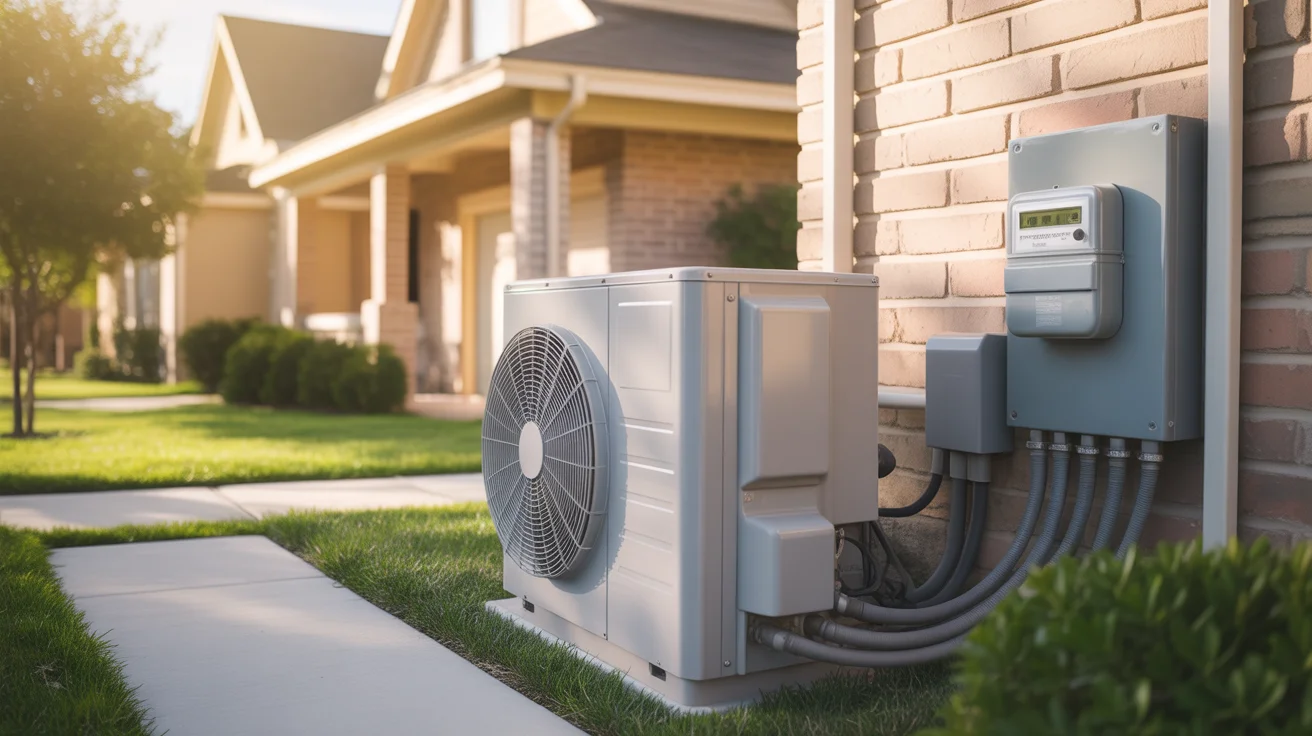
- Clean the outdoor condenser unit. Turn off power at the disconnect box first. Remove leaves, grass clippings, and debris. Hose down the fins from inside out (gently, not with a pressure washer). If you notice bent fins on the coil, a fin comb from the hardware store ($10-$15) straightens them and improves airflow noticeably. Maintain 2 feet of clearance on all sides.
- Clear the condensate drain line. Pour a cup of white vinegar down the drain opening near the indoor unit. This prevents algae buildup that causes water backups and water damage.
- Inspect visible refrigerant lines. Look at the insulated copper lines running from the outdoor unit to your house. If the insulation is cracked, missing, or falling apart, your system is losing efficiency. You can wrap damaged sections with foam pipe insulation from the hardware store for about $8.
- Test the system. Set the thermostat to COOL, 5 degrees below room temperature, and let it run for 30 minutes. Check that cold air comes from all supply vents and the outdoor fan is spinning.
Professional Spring Tune-Up ($129-$199)
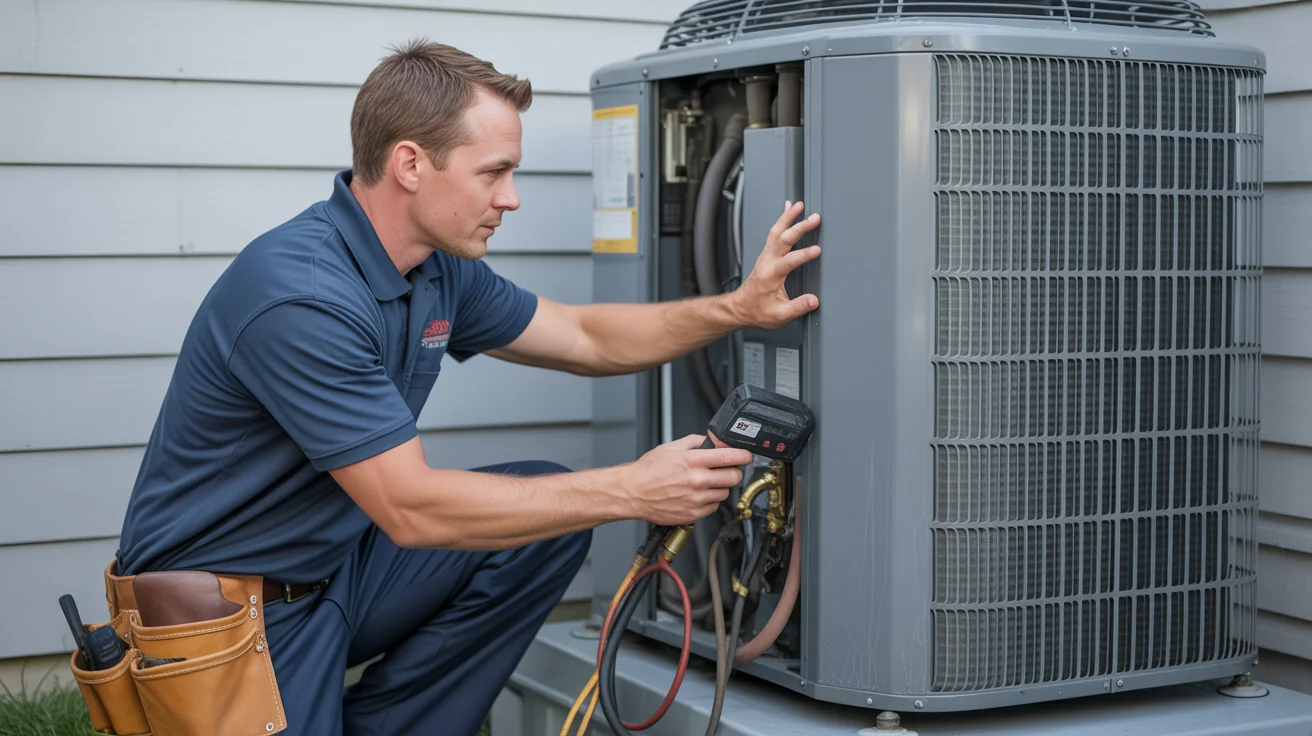
This is the ac maintenance checklist your technician should cover during a spring tune-up. If your HVAC company doesn’t do all of these, find one that does.
- Check and tighten all electrical connections
- Test capacitor and contactor condition
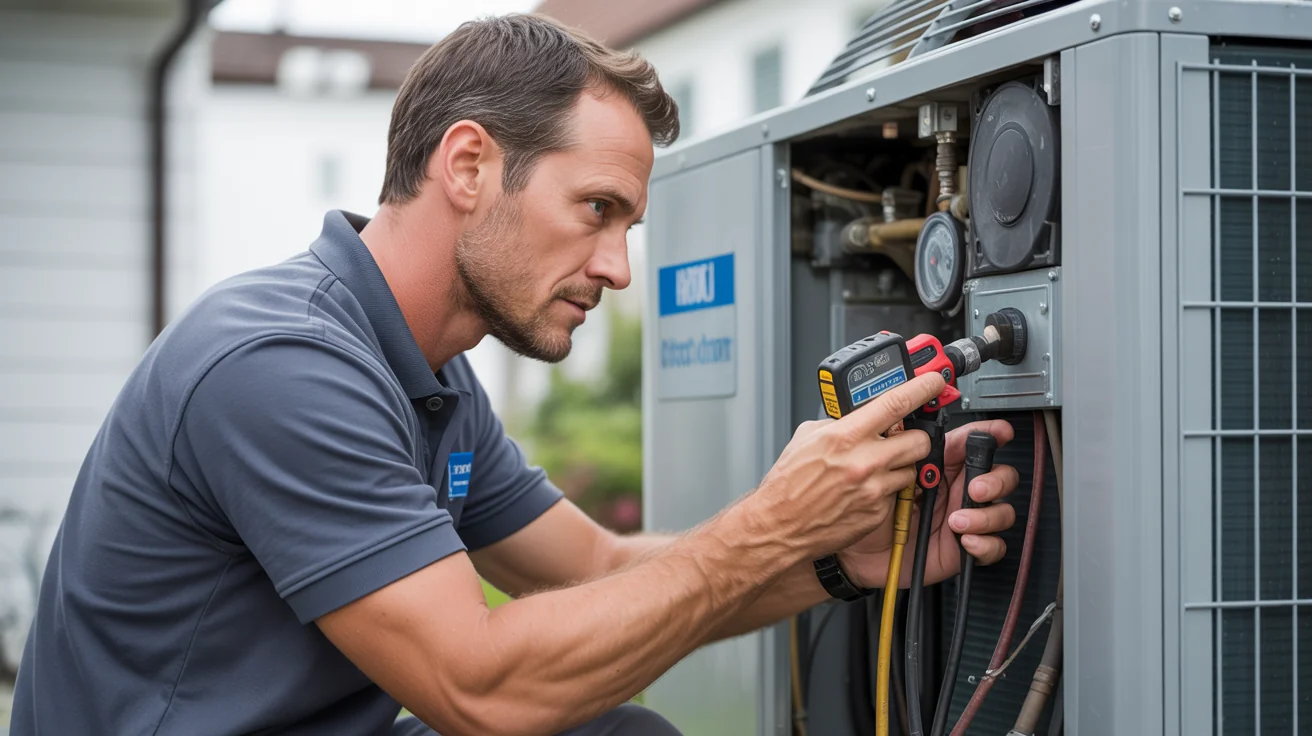
- Measure refrigerant levels and check for leaks
- Clean evaporator coil (inside the air handler)
- Inspect blower motor and lubricate bearings
- Test thermostat calibration and operation
- Check ductwork for leaks at visible connections
- Measure temperature differential (supply vs. return, should be 15-20°F)
- Inspect condensate drain and safety switch
- Test safety controls and system cycling
A proper AC maintenance visit takes 45-90 minutes. If a tech is in and out in 15 minutes, they skipped things. I’ve seen plenty of “tune-ups” from other companies that were basically a filter change and an invoice.
Schedule your spring tune-up in March or early April. By May, every HVAC company in North Texas has a 2-3 week backlog. Book early and you’ll get your pick of appointment times.
Summer Maintenance Checklist (May Through September)
Summer in North Texas is survival mode for your HVAC system. Temperatures regularly hit 100-107°F, and your AC runs almost nonstop. This is when small problems become expensive failures.
Monthly Summer Tasks
- Replace the filter every 30 days. During peak heat, a filter that’s “almost dirty” is already costing you money. In homes with pets, kids, or heavy foot traffic, check every two weeks. A $15 filter protects a $7,000 system.
- Check the outdoor unit weekly. Cottonwood seeds, grass clippings from mowing, and summer storms dump debris on your condenser constantly. A quick visual check and brush-off takes 60 seconds.
- Monitor your energy bills. A sudden spike (20%+ increase from the same period last year) with no lifestyle change usually means your system is struggling. Dirty coils, low refrigerant, or a failing component forces the system to run longer to produce the same cooling.
- Keep blinds closed on sun-facing windows. This isn’t strictly HVAC maintenance, but reducing your home’s heat load by even 10% takes real pressure off your system. Solar heat through windows accounts for up to 30% of cooling load in Texas homes.
Mid-Summer Warning Signs
Call for service if you notice any of these:
- Ice on refrigerant lines or the indoor coil. This usually means low refrigerant or restricted airflow. Turn the system off immediately to prevent compressor damage.
- Water pooling around the indoor unit. Clogged condensate drain. Your system pulls 10-20 gallons of moisture from the air daily in our humidity. That water has to go somewhere.
- System running constantly without reaching set temperature. On the hottest days (105°F+), your system may struggle to keep up. But if it’s 95°F outside and your house can’t reach 76°F, something is wrong.
- Electric bills 30%+ higher than last summer. Efficiency loss is a flashing warning sign. Check out our energy efficiency guide for more on diagnosing high bills.
Fall Heating Maintenance Checklist (October and November)
Fall gets overlooked in Texas. I get it. After surviving another brutal summer, the last thing you want to think about is your heating system. But North Texas winters bring freezing temperatures, ice storms, and the occasional surprise 20°F morning that reminds you the furnace exists.
DIY Fall Tasks (30 Minutes)
- Replace the filter (again, fresh start for a new season).
- Test the heating system. Switch the thermostat to HEAT mode, set it 5 degrees above room temperature, and let it run for 15-20 minutes. A slight burning smell on first startup is normal (dust burning off the heat exchanger). If it doesn’t clear within 30 minutes or smells like rotten eggs, turn it off and call immediately.
- Inspect the outdoor unit again. Fall leaves are the biggest culprit. Clear them away and make sure nothing has nested inside the unit during the mild weeks.
- Check your carbon monoxide detectors. Test each one and replace batteries. This is non-negotiable if you have a gas furnace. A cracked heat exchanger can leak carbon monoxide into your home.
- Seal gaps around windows and doors. Weatherstripping wears out, and gaps let heated air escape. A $20 roll of weatherstripping can save $100+ on winter heating bills.
Professional Fall Tune-Up ($129-$199)
Your technician’s HVAC tune-up checklist for fall should include:
- Inspect heat exchanger for cracks (critical safety check for gas furnaces)
- Test gas pressure and burner operation
- Check ignition system (electronic igniter or pilot light)
- Inspect flue pipe and venting for blockages
- Lubricate blower motor bearings
- Test thermostat heating mode operation
- Check all electrical connections and amp draws
- Inspect and clean burner assembly
- Test safety switches and limit controls
- Verify carbon monoxide levels at registers
If your furnace is over 15 years old, the heat exchanger inspection is especially important. Cracks in the heat exchanger are the number one safety hazard in aging furnaces. If you’re dealing with an older unit, our furnace repair page covers what to watch for.
Winter Maintenance Checklist (December Through February)
North Texas winters are unpredictable. One week it’s 65°F. The next it’s 18°F with ice on the roads. Your system switches between heating and cooling constantly, which stresses components more than steady operation in either mode.
- Check the filter monthly. Dry winter air carries more dust, and sealed-up homes recirculate the same particles.
- Keep the area around your furnace clear. No boxes, chemicals, or flammable materials within 3 feet.
- Check your thermostat’s emergency heat setting (if you have a heat pump). Emergency heat runs backup electric strips that cost 2-3 times more. Make sure the system isn’t stuck in that mode.
- Monitor for cold spots. Rooms significantly colder than others may indicate duct leaks or blocked vents.
- Know where your main water shutoff is. If power goes out below freezing, pipes near your HVAC system are at risk.
- Never run the outdoor heat pump if it’s encased in ice. Let it thaw naturally. Running it can bend fan blades and damage the compressor.
- Keep a 3-month supply of filters on hand. During an ice storm or extreme weather event, you don’t want to be driving to Home Depot. Stock up in fall before freeze season.
Filter Replacement Schedule for North Texas Homes
This is the single most asked question I get, so here’s a clear breakdown by filter type:
| Filter Type | Size | Summer Schedule | Winter Schedule | Annual Cost |
|---|---|---|---|---|
| Basic fiberglass | 1” | Every 30 days | Every 30-45 days | $36-$60 |
| Pleated (MERV 8-11) | 1” | Every 30-45 days | Every 45-60 days | $48-$96 |
| Deep pleated | 4-5” | Every 3-4 months | Every 4-6 months | $60-$120 |
| HEPA-style | 1” | Every 30-45 days | Every 45-60 days | $120-$240 |
Factors that shorten filter life in your home:
- Pets (especially dogs that shed heavily). Cut intervals by 25-30%.
- Allergies or respiratory conditions. Use MERV 11+ and change more frequently.
- New construction or remodeling nearby. Drywall dust, sawdust, and concrete dust destroy filters fast.
- Living near open fields or construction. Common in Prosper, parts of McKinney, and growing areas of Little Elm.
For a deeper breakdown on choosing the right filter for your home, read our complete filter selection guide.
DIY vs. Professional: What You Can Handle and What You Shouldn’t Touch
I believe in honest advice, even when it means less business for me. Some maintenance tasks are perfectly safe for homeowners. Others will void your warranty, risk electrocution, or cause refrigerant exposure that’s both illegal and dangerous.
Safe for DIY
- Replacing air filters
- Cleaning debris from the outdoor unit (with power off)
- Pouring vinegar down the condensate drain
- Replacing thermostat batteries
- Sealing duct tape on visible duct joints (temporary fix)
- Wrapping damaged refrigerant line insulation
- Changing weatherstripping around doors and windows
Leave to a Professional
- Anything involving refrigerant. Federal law (EPA Section 608) requires certification to handle refrigerant. Fines start at $44,539 per violation.
- Electrical testing and repair. Capacitors store lethal voltage even after the system is powered off. I’ve seen homeowners get knocked across the room by a charged capacitor.
- Heat exchanger inspection. Requires specialized cameras and combustion analysis equipment.
- Coil cleaning inside the air handler. Accessing the evaporator coil means opening sealed panels and working near high-voltage components.
- Ductwork modification or sealing. Improper sealing can create pressure imbalances that reduce efficiency and cause moisture problems.
- Any gas line work. Period. No exceptions.
How Much Does an HVAC Maintenance Plan Cost? (And Is It Worth It?)
Maintenance plans range from $129 to $299 per year in North Texas, depending on what’s included. Here’s what you should expect at each price point:
| Plan Level | Typical Cost | Includes |
|---|---|---|
| Basic | $129-$169/year | 2 tune-ups (spring + fall), filter included, 10% parts discount |
| Standard | $169-$229/year | 2 tune-ups, priority scheduling, 15% parts discount, no overtime fees |
| Premium | $229-$299/year | 2 tune-ups, priority scheduling, 20% parts discount, no overtime or diagnostic fees, annual duct inspection |
Is it worth it? Run the numbers. Two individual tune-ups would cost $260-$400 without a plan. The plan saves you $60-$130 on the tune-ups alone. Add the parts discount (the average repair uses $150-$400 in parts), priority scheduling during emergencies (when wait times can hit 2-3 weeks), and the peace of mind factor, and the plan pays for itself with a single repair visit.
North Texas homeowners can also stack maintenance with utility rebates. Many energy providers offer credits or rebates for maintaining high-efficiency systems. Check our rebates guide to see what’s available in your area.
The Complete Year-Round HVAC Maintenance Schedule
Here’s your month-by-month HVAC maintenance schedule for North Texas, consolidated into one reference:
| Month | Task | DIY or Pro? |
|---|---|---|
| January | Check filter, inspect for cold spots, verify heat pump not in emergency mode | DIY |
| February | Check filter, test CO detectors, insulate exposed pipes if freeze forecast | DIY |
| March | Schedule spring tune-up, replace filter, clean outdoor unit, test AC | DIY + Pro |
| April | Professional AC tune-up, clear condensate drain, inspect refrigerant lines | Pro |
| May | Replace filter, check outdoor unit clearance, verify cooling performance | DIY |
| June | Replace filter every 2-3 weeks, monitor energy bills | DIY |
| July | Replace filter, inspect outdoor unit weekly, watch for ice or water issues | DIY |
| August | Replace filter, check for efficiency loss, schedule fall tune-up | DIY |
| September | Replace filter, clean outdoor unit of summer debris | DIY |
| October | Professional fall tune-up, test heating, check CO detectors | DIY + Pro |
| November | Replace filter, seal drafts, clear furnace area, inspect ductwork | DIY |
| December | Check filter, know water shutoff location, protect pipes from freeze | DIY |
Print this out and stick it on your refrigerator. Seriously. The homeowners who follow a schedule like this almost never call me for emergencies. They call me for tune-ups, and their systems last 18-22 years instead of the 12-15 year average.
Storm Season Maintenance (North Texas Specific)
North Texas storm season runs April through June, with hail being the biggest HVAC threat. I’ve replaced more outdoor units from hail damage than I can count. Here’s how to handle it before and after a storm.
Before a Storm
- Clear any loose objects (patio furniture, potted plants, debris) from around the outdoor unit. A 60 mph gust turns those into projectiles.
- If hail is in the forecast, don’t cover the unit with a tarp while it’s running. Covering an operating unit restricts airflow and can overheat the compressor. If you want to protect it during a severe storm, turn the system off first.
- Know where your electrical disconnect is so you can shut off the outdoor unit quickly if needed.
After a Storm
Before turning the system back on, do a quick visual check:
- Look for dented or bent fins on the condenser coil. Minor fin damage reduces efficiency but is fixable. Major damage (caved-in sections) means the coil is compromised.
- Check the fan blade. Ice and debris can hit a spinning fan blade and bend it. A bent blade causes vibration that destroys the motor bearing over time.
- Clear debris from inside and around the unit.
- If you see obvious damage, call before running the system. Running a damaged compressor can turn a $400 coil repair into a $2,500 compressor replacement.
Document damage with photos before touching anything. Your homeowner’s insurance covers hail damage to HVAC equipment, and having photos speeds up the claim.
FAQ
How often should I get my HVAC system professionally serviced?
Twice a year. Spring (March or April) for your AC and fall (October) for your furnace or heat pump. In North Texas, the spring visit is especially critical because your AC is about to handle the heaviest workload of any residential system in the country.
What is included in a standard HVAC tune-up?
A proper HVAC tune-up checklist includes electrical testing, refrigerant level check, coil cleaning, blower motor inspection, thermostat calibration, condensate drain clearing, and safety control testing. Spring focuses on cooling components, fall focuses on heating. The visit should take 45-90 minutes. Anything less means corners are being cut.
Can I do HVAC maintenance myself to save money?
You can handle about 20% of maintenance yourself: filter replacement, outdoor unit cleaning, condensate drain treatment, and basic visual inspections. The other 80% requires specialized tools, EPA certification (for refrigerant), and training that takes years to develop. The DIY tasks are valuable, but they don’t replace professional service.
How often should I change my HVAC filter in Texas?
Standard 1-inch filters need replacement every 30 days during summer and every 30-45 days during winter. Thicker 4-5 inch media filters last 3-6 months. Homes with pets, allergies, or nearby construction should change filters 25-30% more frequently. When in doubt, hold the filter up to a light. No light visible means it’s time.
What happens if I skip HVAC maintenance?
Skipping maintenance leads to 30-50% higher repair costs, 15-25% higher energy bills, and equipment that fails 5-7 years before it should. The most common result I see: a homeowner skips spring maintenance, the system fails on the first 100-degree day in June, and the emergency repair costs 3-4 times what the tune-up would have been.
Are HVAC maintenance plans worth the cost in North Texas?
Yes. A $129-$299 annual plan saves you $60-$130 on tune-up costs alone, plus parts discounts and priority scheduling. In a climate where your system runs 2,400+ hours per year and emergency wait times hit 2-3 weeks in summer, the priority scheduling benefit alone justifies the cost.
Ready to get your system on a maintenance schedule? Call (940) 390-5676 to set up your seasonal maintenance plan. I’ll make sure your system is ready for whatever North Texas weather throws at it, whether that’s 107°F in July or 18°F in February.
Jupitair HVAC, serving Frisco, Plano, McKinney, Allen, The Colony, Little Elm, Prosper, and Addison since 2008.
Need Professional HVAC Service?
Our certified technicians are ready to help with any HVAC needs in North Texas