Heat Pump vs. AC: Which Is Better for North Texas?
Heat pump vs AC for North Texas homes: honest cost comparison, efficiency data, and real-world pros and cons from a local HVAC contractor with 15+ years of installation experience.
- How a Heat Pump Actually Works (30-Second Version)
- Heat Pump vs AC: Side-by-Side Comparison
- Heat Pump Pros and Cons for North Texas
- Is a Heat Pump Worth It in Texas?
- The Dual Fuel Option (Best of Both Worlds)
- Real Cost Comparison: 10-Year Ownership
- What I Actually Recommend to Customers
- Sizing Mistakes That Kill Efficiency
+ 2 more sections below...
- How a Heat Pump Actually Works (30-Second Version)
- Heat Pump vs AC: Side-by-Side Comparison
- Heat Pump Pros and Cons for North Texas
- Is a Heat Pump Worth It in Texas?
- The Dual Fuel Option (Best of Both Worlds)
- Real Cost Comparison: 10-Year Ownership
- What I Actually Recommend to Customers
- Sizing Mistakes That Kill Efficiency
+ 2 more sections below...
Every spring and fall I get the same question from homeowners in Frisco, Plano, and McKinney: “Should I get a heat pump vs AC?” The answer isn’t as simple as most HVAC websites make it sound. After installing both systems across North Texas for 15+ years, I can tell you that either one can be the right call. It depends on your home, your gas line situation, and how much you care about heating costs.
I’m going to walk you through the real differences, give you honest pricing from actual installations, and tell you exactly what I recommend to customers based on their specific situation. No sales pitch. Just what I’ve seen work (and fail) in our North Texas climate.
How a Heat Pump Actually Works (30-Second Version)
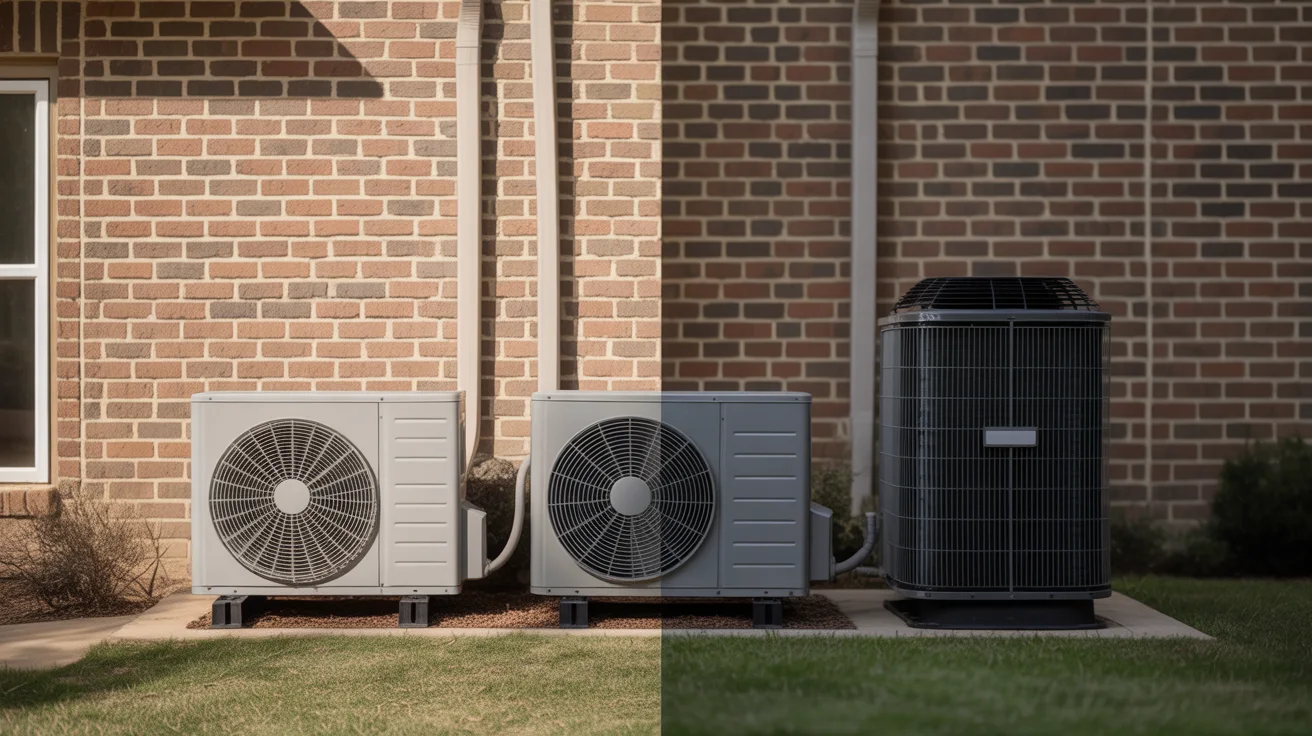
A heat pump and a central AC unit use the same basic technology. Both have an outdoor condenser, an indoor coil, refrigerant lines, and a blower. Both cool your house the exact same way. In cooling mode, you would not be able to tell them apart.
The difference is a reversing valve. A heat pump vs air conditioner comparison comes down to this one component. The reversing valve lets the heat pump run its refrigeration cycle in reverse, pulling heat from outdoor air and moving it inside during winter. An AC unit can only cool. For heating, you need a separate system, typically a gas furnace.
Think of it this way: an AC is a one-way street. A heat pump is the same street, but with traffic flowing both directions.
Heat Pump vs AC: Side-by-Side Comparison
Here’s the breakdown based on what I actually see in North Texas homes:
| Feature | Heat Pump | Central AC + Gas Furnace |
|---|---|---|
| Cooling Efficiency | 15-22 SEER2 | 14.3-22 SEER2 |
| Heating Efficiency | 300-400% (COP 3.0-4.0) | 80-96% AFUE (furnace) |
| Equipment Cost (3-ton) | $4,500-$8,500 | $3,800-$7,500 (AC only) |
| Full System Installed | $7,000-$12,000 | $8,500-$14,000 (AC + furnace) |
| Heating Below 30°F | Reduced efficiency | Full capacity |
| Annual Maintenance | $150-$300 | $100-$200 |
| Expected Lifespan | 12-15 years | 15-18 years (AC), 18-20 years (furnace) |
| Noise Level | 55-72 dB | 55-72 dB (AC), 40-60 dB (furnace) |
| Requires Gas Line | No | Yes |
One thing that surprises most homeowners: the heat pump cost vs AC isn’t as dramatic as they expected. The heat pump unit costs more than an AC alone, but when you factor in replacing both the AC and the furnace together, a heat pump system often comes in cheaper.
Heat Pump Pros and Cons for North Texas
I’m not going to sugarcoat this. Heat pumps have real advantages in our climate, but they also have real limitations. Here’s what I tell my customers.
The Pros
Lower heating bills (most of the year). North Texas winters are mild. We spend the vast majority of heating days above 35°F, and that’s where heat pumps absolutely dominate. A heat pump operating at a COP of 3.5 delivers 3.5 units of heat for every 1 unit of electricity. A 96% gas furnace delivers 0.96 units of heat per unit of gas energy. When you factor in the cost difference between electricity and natural gas in DFW, the heat pump wins on heating costs roughly 8 months out of the year.
One system, two jobs. You get heating and cooling from a single outdoor unit. Fewer components means a simpler installation, especially if your furnace and AC are both aging out. One system to maintain, one warranty to track.
No gas line required. I work on plenty of all-electric homes in newer Frisco and Prosper subdivisions. Some builders are skipping gas entirely. If you don’t have gas already, running a new gas line costs $1,500 to $3,000 before you even buy the furnace. A heat pump eliminates that.
Federal and utility incentives. The IRA’s 25C tax credit offered up to $2,000 for qualifying heat pumps through 2025. That specific credit has expired for 2026 installations, but HEEHRA rebates are rolling out through Texas, and utility companies like Oncor still offer efficiency rebates. Check with your provider before you buy. These programs change frequently.
Better for the environment. No combustion, no carbon monoxide risk, no gas burning in your attic. For homeowners who care about their carbon footprint, a heat pump is the cleaner option.
The Cons
Reduced heating capacity in extreme cold. When temperatures drop below 30°F, heat pump efficiency takes a hit. The system has to work harder to extract heat from cold outdoor air. During Winter Storm Uri in 2021, heat pump owners in Allen and McKinney were not comfortable. The systems couldn’t keep up when temperatures stayed in the single digits for days. Those with gas furnaces fared better (when the gas supply held).
Shorter lifespan. Because a heat pump runs year-round for both heating and cooling, it accumulates more wear than an AC that only runs 6 to 7 months per year. In North Texas, I see heat pumps last 12 to 15 years on average. Central AC units typically go 15 to 18 years, and a gas furnace can last 20 years with proper maintenance.
Higher maintenance frequency. Running a system year-round means more filter changes, more refrigerant line inspections, and biannual tune-ups instead of annual. Budget an extra $75 to $150 per year in maintenance costs compared to a traditional split system.
Electric strips as backup heat. Most heat pumps have electric resistance heat strips as auxiliary heat. When the heat pump can’t keep up, these strips kick in. They’re essentially a giant space heater consuming electricity at 100% efficiency (compared to the heat pump’s 300-400%). During a cold snap, your electric bill can spike noticeably. I’ve seen $400+ electric bills from Plano homeowners who ran on auxiliary heat for a week.
Is a Heat Pump Worth It in Texas?
For most North Texas homeowners, yes. Our climate is close to ideal for heat pumps. Here’s my honest assessment based on hundreds of installations.
A heat pump is clearly the better choice when:
- Your home is all-electric (no gas line)
- Your AC and furnace both need replacing at the same time
- You’re building a new home and want to skip running gas
- Your gas furnace is under 10 years old but your AC died (keep the furnace, add a heat pump for cooling, and use it for mild-weather heating too)
- You want lower operating costs and your home is well-insulated
A traditional AC + gas furnace makes more sense when:
- Your furnace is relatively new but your AC needs replacing
- You have an older, poorly insulated home that needs serious heating power on cold nights
- You experienced significant comfort issues during past winter storms and want gas backup
- Gas rates in your area are notably cheap compared to electricity
The honest truth about North Texas: We get maybe 10 to 15 days per year where temperatures drop below 30°F. The rest of our heating season (November through March), a heat pump handles it easily and costs less to run. You’re making a decision about 350 heating days based on 15 cold ones. That’s worth thinking about.
The Dual Fuel Option (Best of Both Worlds)
If you want maximum comfort and efficiency, consider a dual fuel system. This pairs a heat pump with a gas furnace. The heat pump handles cooling plus mild-weather heating (roughly above 35°F). When temperatures drop below that threshold, the system automatically switches to the gas furnace.
You get heat pump efficiency for 90% of the year and gas furnace reliability for the coldest days.
Dual fuel pricing in North Texas (2026):
| Tier | Configuration | Installed Cost |
|---|---|---|
| Entry | 15 SEER2 heat pump + 80% furnace | $9,000-$11,000 |
| Mid-range | 17 SEER2 heat pump + 96% furnace | $11,000-$13,500 |
| Premium | 20+ SEER2 heat pump + modulating furnace | $13,500-$16,000 |
A dual fuel system costs more upfront than either standalone option. But for homeowners who experienced Winter Storm Uri and never want to worry about heating again, it’s the insurance policy that also saves money 9 months out of the year.
I install dual fuel systems in about 30% of my replacement jobs now. Five years ago, that number was under 10%. The trend is moving toward dual fuel in North Texas, and for good reason.
Real Cost Comparison: 10-Year Ownership
Numbers matter more than marketing claims. Here’s what a typical 2,200 sq ft home in Plano actually costs to own each system over 10 years (based on current DFW energy rates):
| Cost Category | Heat Pump Only | AC + Gas Furnace | Dual Fuel |
|---|---|---|---|
| Equipment + Install | $9,500 | $11,000 | $12,500 |
| Annual Cooling Cost | $1,450 | $1,450 | $1,450 |
| Annual Heating Cost | $680 | $850 | $520 |
| Annual Maintenance | $225 | $175 | $250 |
| 10-Year Total | $33,050 | $35,750 | $34,700 |
| Replacement at Year 13-15 | Yes | AC only (furnace lasts) | Heat pump only (furnace lasts) |
These numbers assume current Oncor/Atmos rates and a home with decent insulation (R-30 attic, double-pane windows). Your numbers will vary based on insulation quality, thermostat habits, and rate changes. But the general picture holds: heat pump systems cost less to operate in our climate.
What I Actually Recommend to Customers
After 15+ years of installing both systems across Frisco, Plano, McKinney, Allen, Prosper, The Colony, Little Elm, and Addison, here’s my standard advice:
For new construction or full system replacement: Go with a dual fuel system if you have gas available. You get the best efficiency and the best cold-weather safety net. The extra $1,500 to $3,000 over a standalone heat pump pays for itself in comfort and peace of mind.
For AC-only replacement (furnace still good): Install a heat pump instead of a straight AC. You’ll get identical cooling performance plus heat pump heating for mild days, extending the life of your existing furnace by reducing its workload.
For budget-conscious replacements: A mid-range central AC with your existing furnace is still a solid choice. Don’t stretch your budget for a heat pump if it means sacrificing equipment quality. A well-installed 16 SEER2 AC will outperform a poorly installed 20 SEER2 heat pump every time.
For all-electric homes: Heat pump is your only real option, and it’s a good one. Just make sure your electrical panel can handle the auxiliary heat strips (they draw 10-15 kW). Some older panels in Allen and Little Elm need an upgrade.
Sizing Mistakes That Kill Efficiency
Regardless of whether you choose a heat pump vs central air, the equipment is only as good as the installation. The most common mistake I see from other contractors is oversizing.
An oversized system cools too quickly without running long enough to dehumidify. You end up with a 72°F house that feels clammy and uncomfortable. In North Texas humidity (which regularly exceeds 80% on summer mornings), this is a real problem.
Every reputable installation should include:
- Manual J load calculation (not just a square footage guess)
- Duct inspection and measurement to verify your existing ductwork can handle the new system
- Refrigerant charge verification after installation (improper charge reduces efficiency by 10-20%, per the DOE)
- Written performance guarantee tied to the load calculation
If a contractor quotes you a system size based on your home’s square footage alone, get a second opinion. I’ve replaced 5-ton systems with properly sized 3.5-ton units that cooled better and cost less to run.
For a broader comparison of all system types available in our area, check out our guide on types of HVAC systems.
Frequently Asked Questions
Can a heat pump cool as well as an AC in 107°F Texas heat?
Yes. In cooling mode, a heat pump and an AC with identical SEER ratings perform the same. The technology is identical. I’ve never had a customer tell me their heat pump couldn’t keep their house cool in summer. The reversing valve adds no penalty to cooling performance.
How much does a heat pump cost compared to AC in North Texas?
A heat pump alone costs $4,500 to $8,500 for equipment. A comparable AC costs $3,800 to $7,500. But a full system comparison tells a different story: a heat pump installed ($7,000 to $12,000) vs. AC plus gas furnace installed ($8,500 to $14,000) often favors the heat pump. Call Jupitair HVAC at (940) 390-5676 for a free quote on both options.
Will a heat pump work during a Texas winter storm?
It depends on how cold it gets. Down to about 30°F, a heat pump provides comfortable heat at high efficiency. Below that, efficiency drops and auxiliary electric heat strips engage. During an extended freeze event like Winter Storm Uri (single digits for days), a heat pump with electric backup alone would struggle. That’s exactly why I recommend dual fuel systems for homeowners who want maximum protection.
Do heat pumps last as long as AC units?
No. Heat pumps run year-round, so they accumulate wear faster. Expect 12 to 15 years from a heat pump in North Texas versus 15 to 18 years from a central AC. The gas furnace component of a traditional system often lasts 18 to 20 years. Factor replacement timing into your cost comparison.
Are there any tax credits for heat pumps in 2026?
The federal 25C Energy Efficient Home Improvement Credit (up to $2,000 for heat pumps) expired December 31, 2025. For 2026 installations, check for HEEHRA rebates rolling out through Texas and local utility incentives through Oncor or your electric provider. These programs change frequently, so verify current availability before purchasing.
What’s the difference between a heat pump and a mini-split?
A mini-split is a type of heat pump. Traditional heat pumps use your home’s existing ductwork (just like central AC). Mini-splits are ductless and serve individual rooms. For whole-home heating and cooling in a typical North Texas suburban home with existing ducts, a ducted heat pump is the better fit. Mini-splits make sense for room additions, garages, or homes without ductwork.
Jupitair HVAC installs heat pumps, central AC systems, and dual fuel setups across all 8 North Texas cities we serve. Every installation includes a Manual J load calculation and written performance guarantee. Call (940) 390-5676 for a free, no-pressure comparison quote, or visit our heat pump installation and AC installation pages to learn more.
Sources & References
- U.S. Department of Energy - Central Air Conditioning - Efficiency standards and refrigerant charge impact data
- ENERGY STAR - Federal Tax Credits for Energy Efficiency - Tax credit and rebate program details
- AHRI Certified Equipment Directory - Independent SEER2 and HSPF2 ratings verification
- IRS Energy Efficient Home Improvement Credit - 25C credit eligibility and expiration
- Environment America - What Texans Need to Know About Heat Pumps - Texas-specific heat pump analysis