Best Air Purifiers for Texas Homes: HEPA, UV, and Whole-House Options
Compare the best air purifiers for North Texas homes in 2026. HEPA portables, UV-C lights, and whole-house systems ranked by real performance, cost, and what actually works.
- 1. Portable HEPA Air Purifiers: The Starting Point for Most Homes
- 2. UV-C Light Systems: Killing What Filters Can’t Catch
- 3. Whole-House Air Purifiers: The Set-It-and-Forget-It Option
- 4. Air Purifier vs. Air Filter: Understanding the Difference
- 5. Which Air Purifier Should You Buy First?
- Complete Cost Comparison: 5-Year Ownership
- What About Ozone Generators and Ionizers?
- North Texas Air Quality Challenges by Season
+ 1 more sections below...
- 1. Portable HEPA Air Purifiers: The Starting Point for Most Homes
- 2. UV-C Light Systems: Killing What Filters Can’t Catch
- 3. Whole-House Air Purifiers: The Set-It-and-Forget-It Option
- 4. Air Purifier vs. Air Filter: Understanding the Difference
- 5. Which Air Purifier Should You Buy First?
- Complete Cost Comparison: 5-Year Ownership
- What About Ozone Generators and Ionizers?
- North Texas Air Quality Challenges by Season
+ 1 more sections below...
Choosing the right air purifier for home use in North Texas is confusing because there are three completely different technologies competing for your money: portable HEPA units, UV-C lights installed in your HVAC ductwork, and whole-house purification systems. Each one solves a different problem. Most homeowners I talk to assume they need all three, or they buy the wrong type entirely.
I’ve installed hundreds of air purification systems across Frisco, Plano, McKinney, and Allen since 2008. I’ve also seen what happens 6 months later when the wrong system sits collecting dust (literally) while the homeowner’s allergies haven’t improved. This guide breaks down what each type actually does, what it costs, and which one you should buy first based on your specific problem.
If you’re looking for a broader overview of all indoor air quality solutions (including humidity control and ventilation), check out our complete indoor air quality guide. This article focuses specifically on air purifiers, portable and whole-house, and the real differences between them.
1. Portable HEPA Air Purifiers: The Starting Point for Most Homes
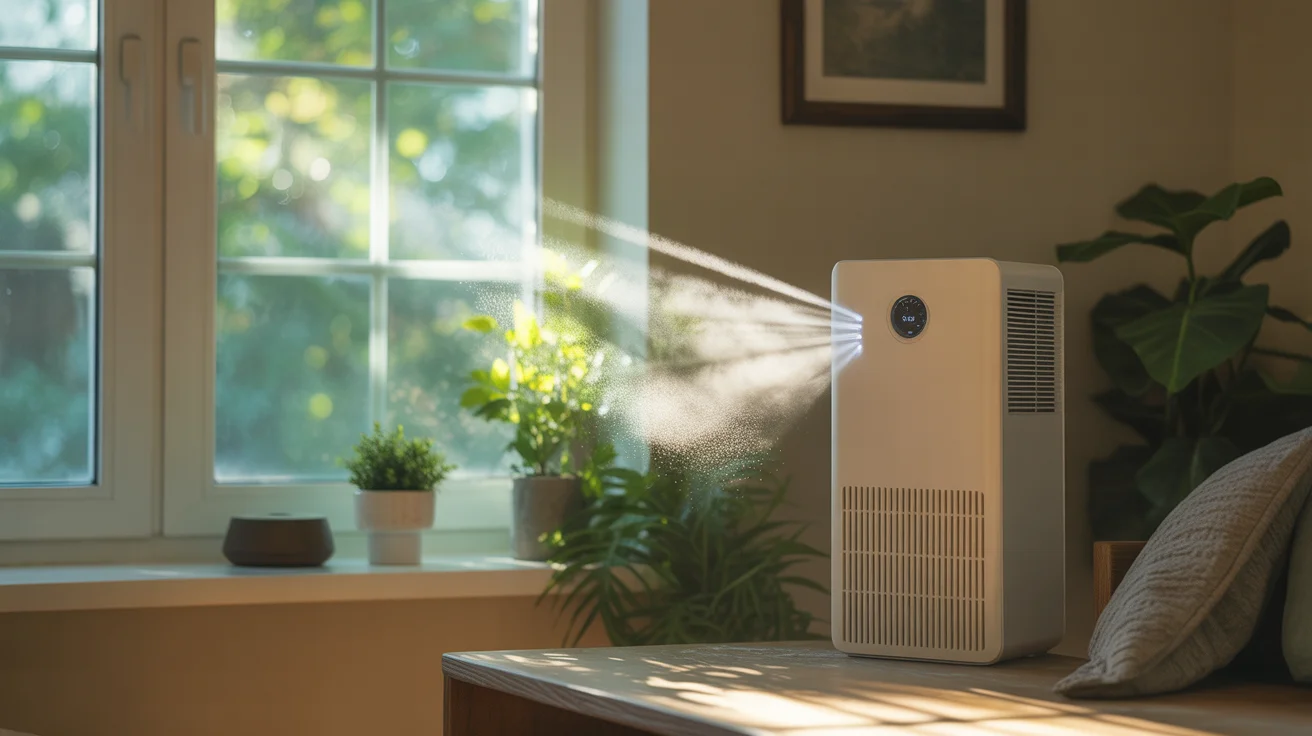
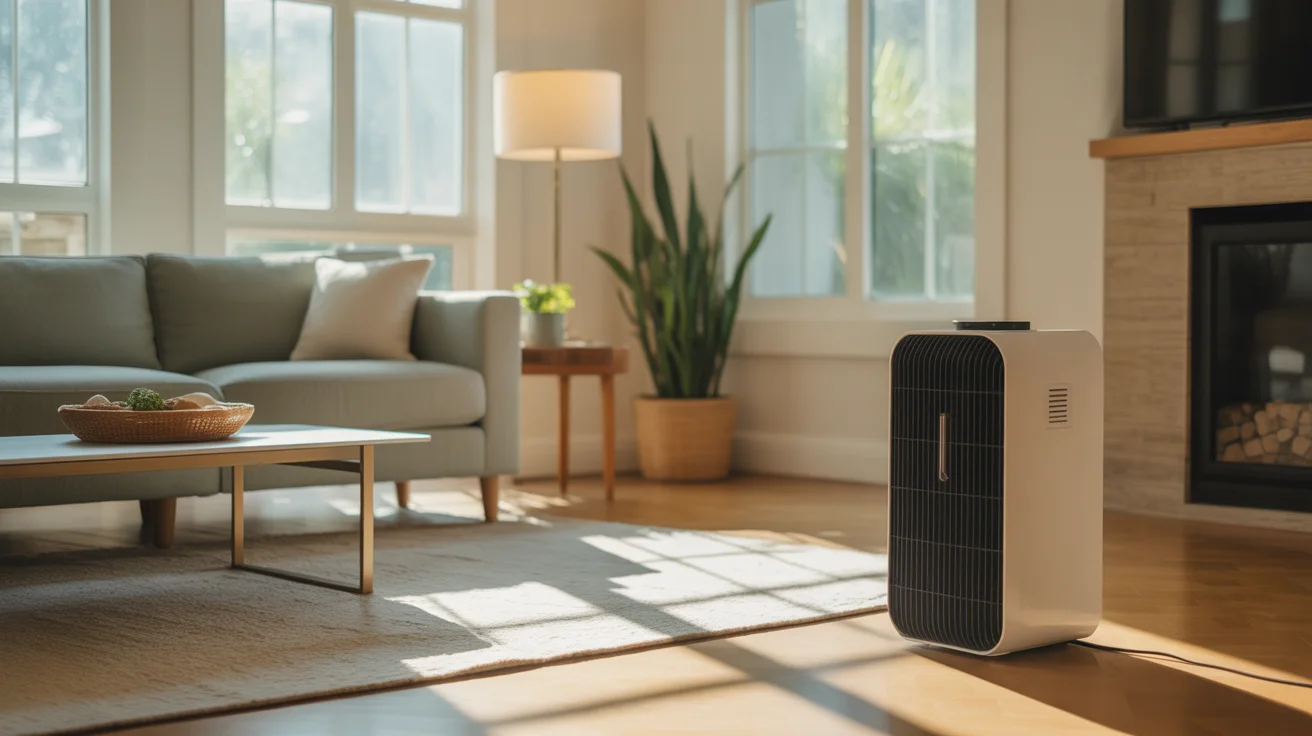
A HEPA (High-Efficiency Particulate Air) filter captures 99.97% of particles down to 0.3 microns. That includes pollen, dust mites, pet dander, mold spores, and most bacteria. For a standalone hepa air purifier that you plug in and set in a room, this is the most proven filtration technology available.
What HEPA Portables Do Well
Portable HEPA purifiers work immediately. No installation, no HVAC modifications, no waiting for a technician. You unbox it, plug it in, and your bedroom air starts getting cleaner within 20 minutes.
For North Texas allergy sufferers, a HEPA unit in the bedroom is the single fastest way to reduce nighttime symptoms. I tell this to every customer who calls about air quality, even though it doesn’t require my services. During spring cedar and oak pollen season (February through May around here), a bedroom HEPA unit running on medium can drop particle counts by 80% or more.
Top HEPA Portables Worth Buying in 2026
The best air purifier 2026 rankings from Consumer Reports and independent testing labs consistently point to a few standout models:
| Model | Room Coverage | Smoke CADR | Filter Cost/Year | Price |
|---|---|---|---|---|
| Coway Airmega ProX | 800 sq ft | 410 cfm | ~$100 | $650-750 |
| Coway AP-1512HH | 360 sq ft | 233 cfm | ~$50 | $150-200 |
| Winix 5510 | 390 sq ft | 243 cfm | ~$55 | $160-200 |
| Levoit Core 400S | 400 sq ft | 260 cfm | ~$50 | $150-180 |
| Blueair Blue Pure 311i+ | 550 sq ft | 290 cfm | ~$65 | $200-250 |
My recommendation for most bedrooms: The Coway AP-1512HH. It’s been a top performer for years, replacement filters are cheap, and it’s quiet enough to sleep next to. For large living areas, the Blueair 311i+ or Airmega ProX cover more square footage without sounding like a jet engine.
CADR Ratings: The Only Number That Matters
CADR stands for Clean Air Delivery Rate, measured in cubic feet per minute (CFM). The Association of Home Appliance Manufacturers (AHAM) tests three particle types: smoke (smallest), dust (medium), and pollen (largest).
The rule of thumb: your purifier’s smoke CADR should be at least two-thirds of your room’s square footage. A 200 sq ft bedroom needs a minimum smoke CADR of 133. Bigger is better here, because running a high-CADR unit on low speed is quieter and more effective than running a small unit at maximum.
What HEPA Portables Can’t Do
Portable units clean one room at a time. A 2,400 sq ft North Texas home would need 4-6 units to cover every room, which adds up fast in electricity and filter replacement costs. They also can’t address problems inside your ductwork, like mold growing on the evaporator coil or bacteria circulating through the air handler.
Portable HEPA cost for whole-home coverage:
- Units: $600-1,500 (3-5 purifiers)
- Annual filters: $150-300
- Annual electricity: $100-200
- 5-year total: $1,850-4,000
That’s when whole-house systems start making financial sense.
2. UV-C Light Systems: Killing What Filters Can’t Catch
UV-C germicidal lights installed inside your HVAC system use ultraviolet radiation at 254 nanometers to destroy the DNA of bacteria, viruses, and mold spores. This is the same technology hospitals use in operating rooms and ICUs. It works. But there’s a catch that most companies won’t tell you.
How UV Air Purifiers Actually Work in HVAC Systems
A uv air purifier hvac system typically installs in one of two locations:
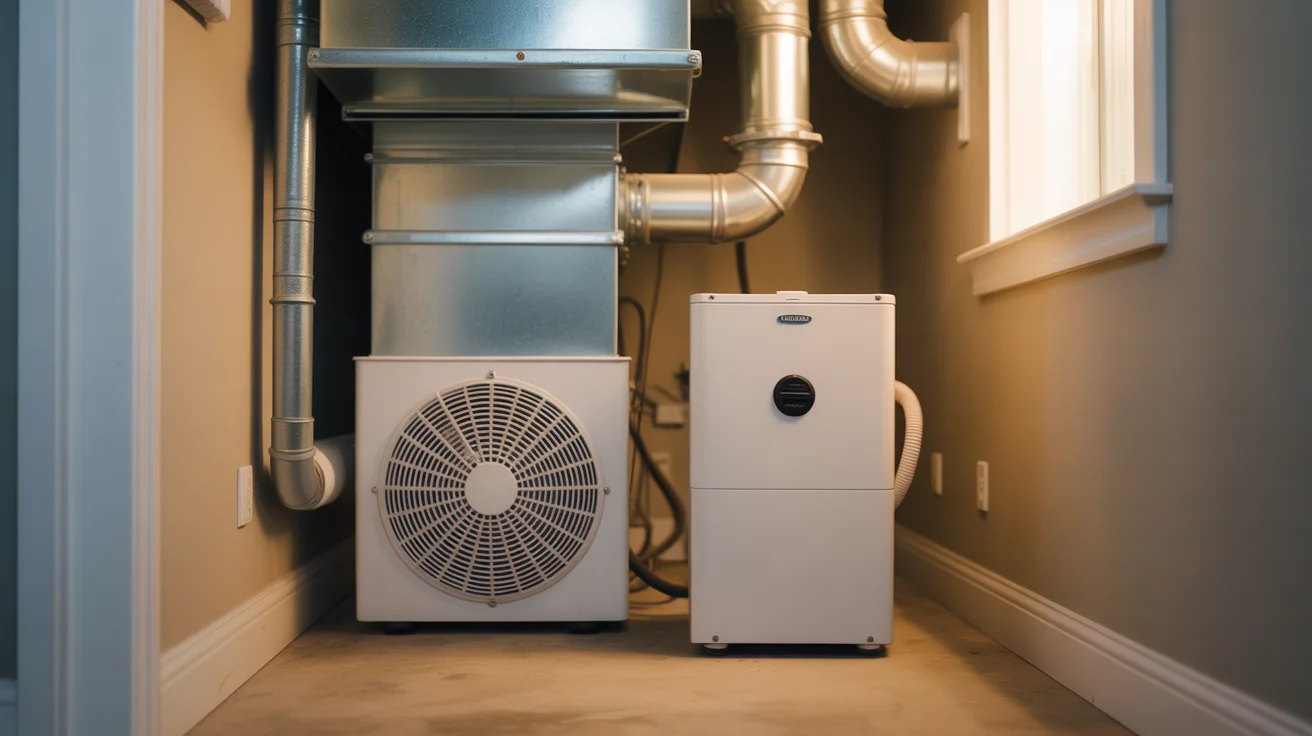
Coil sterilization (recommended): The UV-C lamp mounts inside the air handler, pointed directly at the evaporator coil. It runs 24/7, preventing mold and biofilm from growing on the coil surface. This is the #1 reason I install UV lights. A dirty evaporator coil doesn’t just hurt air quality. It reduces cooling efficiency by 20-30% and creates that musty smell homeowners blame on “old ductwork.”
Air sterilization: The UV-C lamp installs in the return air duct and activates when the system runs. As air passes through the UV light, microorganisms get a dose of UV-C radiation. The catch: air moves through ductwork at 500-900 feet per minute. That’s a fraction of a second of UV exposure per pass. Single-pass kill rates for bacteria are only 50-85%, depending on the organism and lamp intensity.
Here’s what makes it work anyway: your HVAC recirculates indoor air 40-75 times per day. After multiple passes, the cumulative UV exposure becomes very effective. Over 24 hours, a properly sized UV system can reduce airborne bacteria by 95%+.
What UV Lights Do and Don’t Do
UV lights kill:
- Mold and mold spores
- Bacteria (including staph, strep, E. coli)
- Viruses (including flu and cold viruses)
- Biofilm on your evaporator coil
UV lights do NOT remove:
- Dust and dust mites
- Pet dander
- Pollen
- Smoke particles
- Chemical vapors (VOCs)
This is the critical distinction. UV sterilizes microorganisms but doesn’t remove particles from the air. A dead mold spore floating through your ducts can still trigger an allergic reaction. That’s why UV works best paired with upgraded filtration (MERV 11 minimum). For everything you need to know about filters, see our HVAC air filter guide.
UV System Costs in North Texas (2026)
| UV System Type | Equipment | Installation | Annual Bulb | Total Year 1 |
|---|---|---|---|---|
| Basic coil lamp | $100-200 | $150-250 | $40-60 | $290-510 |
| Dual-lamp coil + air | $250-500 | $200-350 | $80-120 | $530-970 |
| Premium (REME HALO, Fresh-Aire) | $500-800 | $250-400 | $80-150 | $830-1,350 |
Bulbs need replacement every 12-24 months depending on the model. I see a lot of homeowners install UV lights and forget about bulb replacement. After 18 months, the UV-C output drops below effective levels and you’re essentially running a nightlight inside your air handler.
My Honest Take on UV Lights
Coil sterilization UV lights are worth every penny. Keeping that evaporator coil clean improves efficiency, eliminates musty odors, and prevents mold problems before they start. I recommend them to almost every customer during AC maintenance visits.
Air sterilization UV (the kind that claims to “purify” air as it passes through) is a bonus, not a standalone solution. If someone tells you a UV light alone will solve your allergy problems, they’re overselling it.
3. Whole-House Air Purifiers: The Set-It-and-Forget-It Option
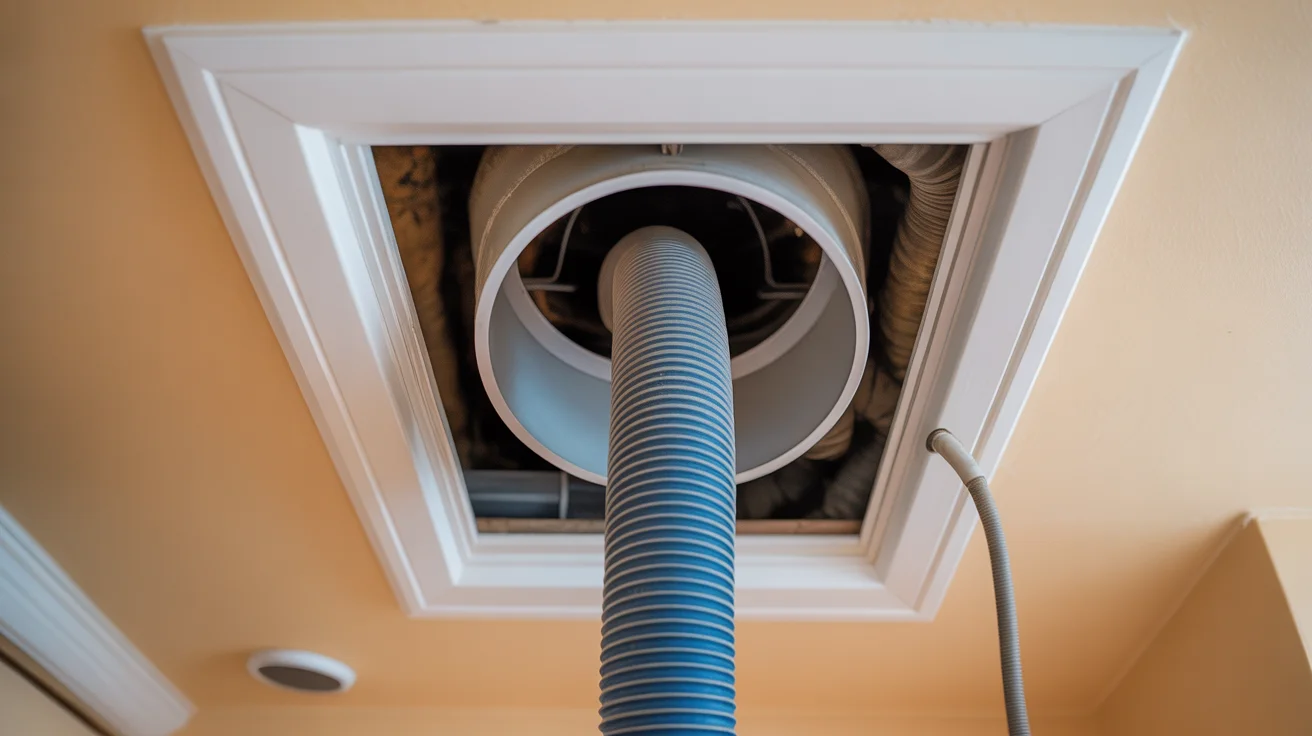
A whole house air purifier integrates directly into your HVAC ductwork and filters every cubic foot of air your system circulates. Unlike portables, there’s nothing to move between rooms, no cords to trip over, and no separate units humming in every bedroom.
Types of Whole-House Systems
Media air cleaners (MERV 11-16): These are thick, high-efficiency filter cabinets installed in your return duct. Think of them as a massive upgrade from the 1-inch filter slot on your furnace. A 4-5 inch MERV 13 media filter captures 90%+ of particles down to 1 micron and lasts 6-12 months between changes. Brands like Honeywell F100 and Lennox PureAir run $300-600 installed.
Electronic air cleaners: These use an electrical charge to attract particles to collector plates. The Trane CleanEffects and Honeywell F300 are popular models. They don’t restrict airflow like thick media filters, which matters in older ductwork systems. They need monthly cleaning (pull out the cell, run it through the dishwasher) but have no replacement filters. Equipment runs $700-1,200 installed.
HEPA bypass systems: A true whole-house HEPA system that bypasses a portion of your return air through a HEPA filter cabinet. These capture 99.97% of particles down to 0.3 microns, the same standard as portable HEPA units, but cover your entire home. The trade-off is higher installation cost ($1,500-3,000) and more frequent filter changes ($150-250 per filter).
PCO/ionization systems (proceed with caution): Photocatalytic oxidation and bipolar ionization systems (like the REME HALO or GPS iWave) generate ions or reactive molecules that neutralize airborne contaminants. Some produce measurable results. But the EPA has raised concerns about certain ionization products generating ozone as a byproduct, and independent testing on real-world effectiveness is limited compared to HEPA and media filtration. I install them when customers request them, but I’m upfront that the science is less settled.
Whole-House System Comparison
| System Type | Particle Removal | Germ Killing | Airflow Impact | Maintenance | Cost Installed |
|---|---|---|---|---|---|
| Media (MERV 13) | Very Good (90%+) | None | Low-Medium | Filter every 6-12 mo ($30-60) | $300-600 |
| Media (MERV 16) | Excellent (95%+) | None | Medium | Filter every 6-12 mo ($50-80) | $400-800 |
| Electronic | Good (85-95%) | None | Very Low | Monthly plate cleaning | $700-1,200 |
| HEPA Bypass | Excellent (99.97%) | None | Low (bypassed) | Filter every 12-18 mo ($150-250) | $1,500-3,000 |
| UV + Media combo | Very Good | Very Good | Low-Medium | Filter + bulb annually | $600-1,500 |
The Airflow Problem Nobody Mentions
Here’s something that separates honest HVAC contractors from ones just trying to sell you equipment. Whole-house purification systems add static pressure to your ductwork. Your blower motor has to work harder to push air through a thicker filter or past an electronic cell.
In newer homes (2010+) with properly sized ductwork, a MERV 13 media filter is no problem. But in older North Texas homes with undersized returns (and I see this constantly in Plano and Allen homes built in the 1990s), jumping from a MERV 8 to a MERV 16 can reduce airflow by 15-20%, making your system less efficient and potentially freezing the evaporator coil.
This is why I always measure static pressure before recommending a whole-house upgrade. If your system is already running at 0.5 inches of water column or higher, we need to address the ductwork before adding more restrictive filtration.
4. Air Purifier vs. Air Filter: Understanding the Difference
This is the question I get asked most often, and the confusion costs homeowners money. An air purifier vs air filter comparison comes down to one thing: active versus passive.
Air filters (the thing you slide into your furnace return) passively trap particles as air flows through them. They rely entirely on your HVAC blower to move air across the filter media. Higher MERV ratings catch smaller particles but restrict more airflow. Every home needs one. It’s your baseline defense.
Air purifiers actively clean the air using additional technology: HEPA filtration with a dedicated fan, UV-C germicidal light, electronic charging, or some combination. They go beyond what a standard HVAC filter can do.
The practical difference: upgrading your filter from MERV 8 to MERV 11 (about $15 more per filter change) will do more for most homes than buying a $300 portable air purifier. Start with the filter. Add purification if you still have issues.
For the full breakdown on filter ratings and what MERV level your system can handle, read our HVAC air filter guide.
5. Which Air Purifier Should You Buy First?
After 15+ years of installing and recommending air purification systems in North Texas, here’s the priority order I give every customer. Start at the top and work down until your problem is solved.
Step 1: Upgrade Your HVAC Filter ($15-80)
Swap your MERV 8 filter for a MERV 11 or MERV 13. This is the highest-impact, lowest-cost improvement. If your system can handle it (most systems built after 2005 can), this single change captures 85-95% of airborne particles including pollen, dust, and mold spores. Check with your HVAC technician first if you’re unsure about static pressure.
Step 2: Add a Bedroom HEPA Unit ($150-250)
If allergies still bother you at night after the filter upgrade, a portable hepa air purifier in the bedroom creates a clean-air sanctuary where you spend 6-8 hours. The Coway AP-1512HH or Winix 5510 are both excellent, affordable choices that I recommend to customers regularly.
Step 3: Install UV Coil Sterilization ($300-500)
A UV-C lamp on your evaporator coil prevents mold growth, eliminates musty odors, and keeps your system running efficiently. This is a maintenance investment as much as an air quality one. Ask about it at your next AC maintenance appointment.
Step 4: Consider Whole-House Purification ($500-3,000)
If you’ve done steps 1-3 and still have problems (multiple family members with asthma, pets that trigger severe allergies, nearby construction dust), a whole-house HEPA bypass or high-MERV media system is the next level. At this point, you’re covering every room simultaneously and the long-term cost starts beating multiple portables.
The “Skip to Step 4” Exception
New construction homes within 2 miles of active development sites (common in Prosper, Frisco, and north McKinney right now) have a unique problem: fine construction dust infiltrates even with windows closed. For these homes, I recommend going straight to a MERV 16 media filter or whole-house HEPA bypass. Portable units can’t keep up with the volume of fine particulate coming in.
Complete Cost Comparison: 5-Year Ownership
| Approach | Year 1 Cost | Annual Ongoing | 5-Year Total |
|---|---|---|---|
| MERV 11 filter only | $20-40 | $40-80 | $200-440 |
| MERV 13 + bedroom HEPA | $200-350 | $100-160 | $600-990 |
| MERV 13 + UV coil | $350-650 | $80-140 | $670-1,210 |
| MERV 13 + UV + bedroom HEPA | $500-900 | $150-240 | $1,100-1,860 |
| Whole-house HEPA bypass + UV | $1,800-3,500 | $200-350 | $2,600-4,900 |
| Multiple portables (whole home) | $600-1,500 | $250-500 | $1,600-4,000 |
The sweet spot for most North Texas homes is the MERV 13 filter plus UV coil sterilization, plus a portable HEPA in the master bedroom. Total first-year cost around $500-900, ongoing costs under $200 per year, and you’re addressing particles, biologicals, and nighttime allergy relief.
What About Ozone Generators and Ionizers?
I need to address this directly because I get asked about ozone generators at least twice a month. Ozone generators marketed as “air purifiers” produce ozone gas (O3) that reacts with airborne pollutants. The problem: ozone is itself a respiratory irritant. The EPA and the California Air Resources Board have both warned consumers that ozone generators can produce harmful ozone levels indoors.
Ionizers (different from ozone generators) release negative ions that cause particles to clump together and settle on surfaces. Some air purifiers include ionizer features (like the Winix PlasmaWave). At low output levels, these are generally fine. But standalone ionizers that don’t include filtration just move particles from the air onto your walls, furniture, and floors. You still need to clean those surfaces.
My stance: stick with proven filtration (HEPA, high-MERV media) and UV-C for germ control. The science is clear and the results are predictable.
North Texas Air Quality Challenges by Season
Your air purifier needs shift throughout the year here. This is something national “best air purifier” lists completely miss.
Spring (Feb-May): Cedar, oak, and grass pollen season. This is when portable HEPA units earn their keep. Pollen counts in the DFW metroplex regularly exceed 1,500 grains per cubic meter, and pollen particles are large enough (10-100 microns) that even a MERV 8 filter catches most of them. But pollen that enters through open doors and windows bypasses your HVAC filter entirely. That’s where bedroom HEPA units matter.
Summer (Jun-Sep): Your AC runs 12-16 hours a day in North Texas heat, circulating air through the filter constantly. This is peak UV light effectiveness (more air passes through the air handler, more UV exposure). It’s also when evaporator coil mold is worst due to constant condensation. Humidity levels climb, and mold spores thrive.
Fall (Oct-Nov): Ragweed pollen peaks. The first cold fronts stir up dust as people open windows for the first time in months. Transitional seasons are when air quality complaints spike because HVAC systems cycle on and off irregularly.
Winter (Dec-Jan): Furnace operation can distribute dust that settled in ductwork during fall. Indoor air gets dry, which keeps particulates airborne longer. This is the best time to schedule duct cleaning if you haven’t done it recently.
FAQ
How much does a whole-house air purifier cost to install?
A whole-house media air cleaner (MERV 13-16) costs $300-800 installed. Electronic air cleaners run $700-1,200. True HEPA bypass systems cost $1,500-3,000 including installation. Annual maintenance adds $50-250 depending on the system type. Call us at (940) 390-5676 for a specific quote based on your HVAC system.
Do UV lights in HVAC really work?
Yes, but with an important caveat. UV-C coil sterilization lights effectively prevent mold growth on evaporator coils and kill bacteria on surfaces they directly irradiate. Air sterilization UV lights kill microorganisms over multiple passes (your HVAC recirculates air 40-75 times daily). However, UV lights don’t remove particles. They work best combined with MERV 11+ filtration.
Is a whole-house air purifier better than portable units?
For coverage and convenience, yes. A single whole-house system filters every room simultaneously through your existing ductwork. But for bedroom allergy relief, a portable HEPA unit in the room where you sleep 6-8 hours is hard to beat. The best approach combines both: whole-house filtration for baseline coverage and a portable HEPA in the master bedroom.
What CADR rating do I need for my room?
The AHAM (Association of Home Appliance Manufacturers) recommends a smoke CADR of at least two-thirds your room’s square footage. A 300 sq ft bedroom needs a minimum smoke CADR of 200. For North Texas allergy sufferers, I’d aim higher. Look for a CADR that matches or exceeds your room size for faster air turnover.
How often do air purifier filters need to be replaced?
Portable HEPA filters: every 6-12 months ($30-100 per filter). Whole-house media filters: every 6-12 months ($30-80). HEPA bypass filters: every 12-18 months ($150-250). UV bulbs: every 12-24 months ($40-150). Electronic air cleaner cells don’t need replacement but require monthly cleaning.
Can I just use a better furnace filter instead of buying an air purifier?
For most homes, upgrading from MERV 8 to MERV 11-13 is the single best first step, and it costs $15-40 per filter change. This handles 85-95% of common airborne particles. You only need to add dedicated air purification if you have specific issues like severe allergies, pets, nearby construction, or mold concerns that filtration alone doesn’t resolve. See our air filter guide for details on choosing the right MERV rating.
Need help choosing the right air purification system for your home? I’ll assess your HVAC system’s static pressure, check your ductwork capacity, and recommend the combination that actually solves your specific air quality problem, not the most expensive option. Call Jupitair HVAC at (940) 390-5676 or schedule a maintenance visit and we’ll evaluate your setup during the appointment.
Need Professional HVAC Service?
Our certified technicians are ready to help with any HVAC needs in North Texas