Indoor Air Quality: The Hidden Health Risk in Your North Texas Home
Your home's air may be 2-5x more polluted than outside. Learn what causes poor indoor air quality in North Texas, how to test it, and practical fixes from an EPA-certified HVAC pro.
- Indoor Air Quality: The Hidden Health Risk in Your North Texas Home
- Why North Texas Homes Have an Air Quality Problem
- The Pollutants Hiding in Your Home Right Now
- How Poor Indoor Air Quality Affects Your Health
- How to Test Your Indoor Air Quality
- How to Improve Indoor Air Quality: 7 Practical Steps
- The Priority Order (What to Do First)
- When to Call a Professional
+ 2 more sections below...
- Indoor Air Quality: The Hidden Health Risk in Your North Texas Home
- Why North Texas Homes Have an Air Quality Problem
- The Pollutants Hiding in Your Home Right Now
- How Poor Indoor Air Quality Affects Your Health
- How to Test Your Indoor Air Quality
- How to Improve Indoor Air Quality: 7 Practical Steps
- The Priority Order (What to Do First)
- When to Call a Professional
+ 2 more sections below...
Indoor Air Quality: The Hidden Health Risk in Your North Texas Home
I tested the air in a Frisco home last spring that looked spotless. Freshly vacuumed carpets, gleaming countertops, not a dust bunny in sight. The particulate reading came back at 4.7 times worse than the air outside. The homeowner, a mom with two kids who had persistent allergies, was floored. She had been spending $200 a month on allergy medication while breathing contaminated air inside her own house.
Indoor air quality is something most North Texas homeowners never think about until someone gets sick. According to the EPA, Americans spend roughly 90% of their time indoors, where pollutant concentrations are often 2 to 5 times higher than outdoor levels. In the DFW suburbs, where newer construction seals homes tight and pollen seasons overlap nearly year-round, those numbers can climb even higher.
After 15+ years of HVAC work across Frisco, Plano, McKinney, and the surrounding cities, I can tell you this: the air inside your home is almost certainly worse than you think. But the good news is that fixing it doesn’t have to be expensive or complicated.
Why North Texas Homes Have an Air Quality Problem
DFW sits in one of the most challenging allergy zones in the country. Unlike regions with one or two bad pollen seasons, North Texas delivers allergens nearly 12 months a year.
The North Texas pollen calendar looks like this:
| Season | Months | Primary Allergens |
|---|---|---|
| Winter | Dec - Feb | Mountain cedar (Ashe juniper), mold |
| Spring | Feb - Jun | Oak, elm, pecan, ash tree pollen |
| Summer | Mar - Sep | Grass pollen, mold spores |
| Fall | Aug - Nov | Ragweed, mold |
A single ragweed plant can release over one billion pollen grains. And 75% of people with plant allergies react to ragweed specifically. When you combine that with mountain cedar season (what locals call “cedar fever”), there is no true relief window.
Your home should be the escape from all of this. But here is where modern construction works against you.
The Tight Home Trap
Homes built after 2000 (and that covers most of Frisco, Prosper, and newer McKinney developments) are designed with tight building envelopes. That is great for energy efficiency. Your insulation keeps conditioned air inside, which saves you money on electricity during our 107-degree summers.
The tradeoff? Those same tight seals trap pollutants inside. Pollen that drifts in when you open a door stays suspended in your air for hours. Cooking fumes, cleaning product chemicals, and off-gassing from furniture have nowhere to go. Your home becomes a sealed container for everything you do not want to breathe.
Older homes have a different problem. Leaky ductwork pulls in attic dust, insulation fibers, and sometimes even rodent droppings. I have pulled filters out of Plano homes built in the 1990s that were gray with attic debris. If your ducts have not been cleaned in five or more years, they could be circulating contaminants every time your system kicks on.
The Pollutants Hiding in Your Home Right Now
Indoor air pollution is not just dust and pollen. The EPA identifies several categories of contaminants that affect home air quality, and most North Texas homes have multiple sources going at once.
VOCs (Volatile Organic Compounds)
VOCs are chemicals that off-gas from everyday products. If you have bought new furniture, painted a room, installed flooring, or even used scented cleaning products recently, you have introduced VOCs into your home.
Common VOC sources include:
- New furniture (especially anything with particle board, plywood, or foam)
- Fresh paint and stain
- Laminate and vinyl flooring
- Cleaning sprays, disinfectants, and air fresheners
- Scented candles and plug-in fragrance dispensers
- Dry-cleaned clothing
Formaldehyde is the big one. The EPA has classified it as a probable human carcinogen with prolonged exposure. That new-furniture smell or fresh-carpet smell? That is formaldehyde and other VOCs releasing into your air. New furniture can continue off-gassing for years, not just days.
I see this constantly in the newer Prosper and Frisco subdivisions where families move into brand-new homes. Everything is fresh: cabinets, counters, paint, carpet, furniture. All of it off-gassing simultaneously in a tightly sealed house. Then they wonder why everyone has headaches and the kids can not stop coughing.
Dust and Particulate Matter
North Texas construction is booming. All that dirt being moved, concrete being poured, and roads being built throws fine particulate matter into the air. It settles on your home’s exterior, filters through gaps, and gets tracked in on shoes and clothing.
Particulate matter small enough to inhale deep into your lungs (PM2.5) is linked to heart disease, respiratory issues, and aggravated asthma. Your standard 1-inch furnace filter does almost nothing to stop it.
Biological Contaminants
Mold spores, pet dander, dust mites, and bacteria fall into this category. North Texas humidity swings from 30% in winter to 80% in spring and summer. Mold loves anything above 60% relative humidity, and I have measured 70%+ inside homes that felt comfortable because the temperature was fine.
Your AC removes some moisture, but during those cool, humid spring mornings, the system barely runs while Gulf moisture infiltrates anyway. This is exactly when mold starts growing in dark ductwork, drip pans, and behind drywall. If you have not read my dehumidifier sizing guide, that is a good companion piece to this one.
How Poor Indoor Air Quality Affects Your Health
The symptoms of poor indoor air quality are sneaky because they mimic so many other conditions. Doctors treat the symptoms without ever identifying the source.
Short-term exposure symptoms:
- Persistent allergies that do not respond well to medication
- Headaches that clear up when you leave the house
- Fatigue and difficulty concentrating (especially in kids)
- Itchy or watery eyes, runny nose, scratchy throat
- Difficulty sleeping
Long-term exposure risks:
- Worsened asthma (especially in children)
- Chronic respiratory disease
- Heart disease
- Increased cancer risk (from radon, formaldehyde, and other carcinogens)
Here is a pattern I see all the time: a family calls me about their AC not cooling well enough. During the service visit, I notice the filter is clogged, the coils are dirty, and the return vents are dusty. I ask about allergies. “Oh yeah, the kids have terrible allergies. We just assumed it was the pollen.” Sometimes it is the pollen, but it is the pollen that is trapped inside their house.
One McKinney family I worked with had been rotating through allergy medications for two years. Their allergist kept adjusting prescriptions. After a full AC maintenance visit including coil cleaning, filter upgrade, and duct inspection, their symptoms dropped significantly within two weeks. The air was the problem, not their immune systems.
How to Test Your Indoor Air Quality
You can not fix what you can not measure. Indoor air quality testing ranges from simple DIY kits to complete professional assessments.
DIY Testing ($10 - $50)
Home test kits are available at hardware stores and online. They typically test for one specific contaminant (mold, radon, or general particulate levels). These are a reasonable starting point if you suspect a specific issue.
Best DIY options:
- Radon test kits ($15-$30): Every home should test for radon at least once. It is the second leading cause of lung cancer.
- Mold test kits ($10-$30): Useful for confirming visible mold but limited for airborne detection.
- Indoor air quality monitors ($80-$200): Digital devices that measure particulate matter, humidity, temperature, and sometimes VOCs in real-time. I recommend these for ongoing monitoring.
Professional Testing ($300 - $600)
A professional indoor air quality assessment costs $300 to $500 on average for a standard evaluation. This includes testing for multiple contaminants, identifying sources, and providing a remediation plan.
What professional testing covers:
- Particulate matter levels (PM2.5 and PM10)
- Mold spore count and identification
- VOC levels and specific chemical identification
- Humidity mapping throughout the home
- Carbon monoxide and carbon dioxide levels
- Ductwork inspection for contamination sources
Professional testing makes sense if you have persistent health symptoms, visible mold, recent renovations, or a new home less than two years old. It is especially valuable if you have family members with asthma or severe allergies.
How to Improve Indoor Air Quality: 7 Practical Steps
This is where I am going to be honest with you. The HVAC industry loves to sell expensive equipment for air quality problems. Some of it works. Some of it is overpriced and unnecessary. Here is what actually makes a difference, ranked by impact and cost.
1. Upgrade Your Air Filter (Cost: $15 - $50)
This is the single highest-impact, lowest-cost improvement you can make. Most homes come with cheap MERV 4 or MERV 6 filters that catch large dust particles and not much else.
MERV rating comparison for homeowners:
| MERV Rating | What It Catches | Best For | Filter Cost |
|---|---|---|---|
| MERV 4-6 | Large dust, lint, pollen | Builder-grade minimum | $3-$8 |
| MERV 8 | Dust mites, mold spores, pet dander | Standard homes, no allergies | $8-$15 |
| MERV 11 | Fine dust, auto emissions, lead dust | Allergy sufferers | $15-$25 |
| MERV 13 | Bacteria, smoke, virus carriers | Asthma, severe allergies | $20-$50 |
My recommendation for most North Texas homes: MERV 11. It catches 85%+ of particles down to 1 micron, which covers pollen, mold spores, pet dander, and fine dust. It works with most standard residential HVAC systems without restricting airflow.
MERV 13 is better at catching ultrafine particles, but it creates more resistance. If your system was not designed for it, a MERV 13 filter can restrict airflow, strain your blower motor, and actually reduce your air quality by limiting circulation. Before jumping to MERV 13, have your system evaluated.
Do not use HEPA filters in your central HVAC system. True HEPA (equivalent to MERV 17-20) is too restrictive for residential ductwork. Your blower motor can not push air through that dense a filter. HEPA belongs in standalone air purifiers, not your furnace.
Change your filter every 60 to 90 days. In spring and fall (peak pollen seasons), check it monthly. If it looks gray when you hold it up to light, replace it immediately regardless of when you installed it.
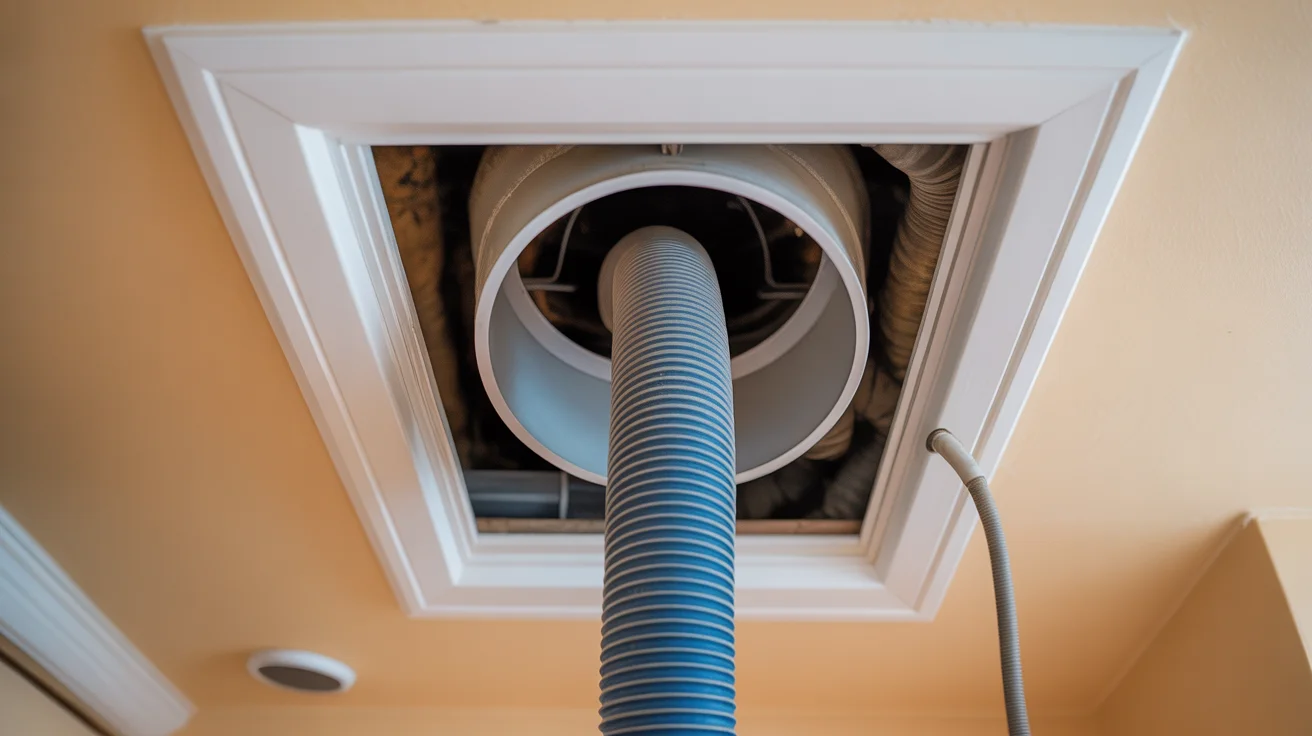
2. Clean Your Ducts (Cost: $300 - $500)
Dirty ductwork recirculates every contaminant that has accumulated over the years. I have pulled out matted pet hair, construction debris, dead insects, and (more than once) a forgotten contractor’s lunch wrapper from duct systems.
Professional duct cleaning removes built-up dust, debris, and biological growth from your entire air distribution system. For North Texas homes, I recommend cleaning every 3 to 5 years, or after any major renovation, new construction, or if you notice musty smells when the system starts.
3. Control Humidity (Cost: $200 - $3,500)
Keeping indoor humidity between 30% and 50% is critical for both health and home protection. Below 30%, you get dry skin, cracked wood, and increased static (which attracts more dust). Above 50%, mold and dust mites thrive.
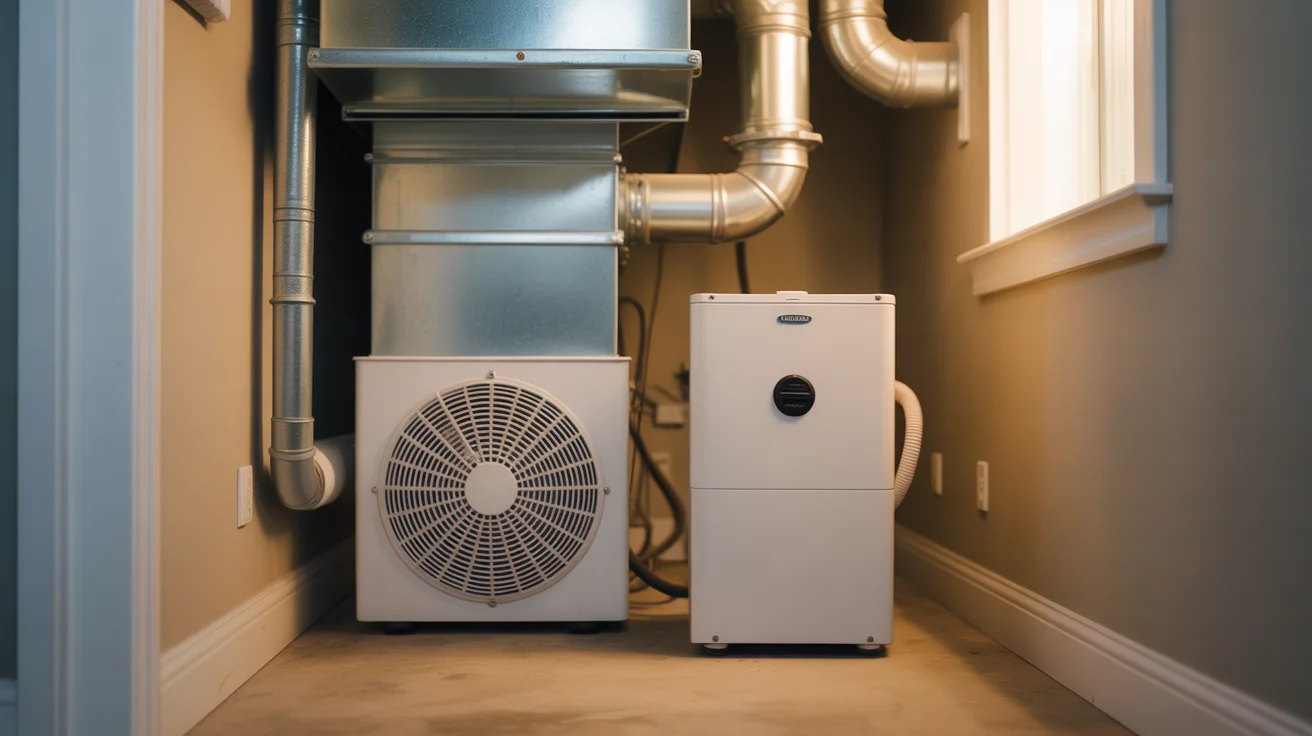
A whole-house dehumidifier integrated with your HVAC system ($2,400-$3,500 installed) is the most effective solution for North Texas humidity. Portable units ($200-$500) work for individual rooms or seasonal issues.
4. Add UV-C Lights to Your Air Handler (Cost: $400 - $800)
UV-C germicidal lights installed inside your air handler kill mold, bacteria, and viruses as air passes over the coil. This is one of the most effective upgrades for biological contaminants, and it requires almost zero maintenance (bulb replacement every 1-2 years, about $50-$80).
I install these regularly in homes with recurring mold issues or family members with compromised immune systems. They work quietly in the background and address contaminants that filters can not catch.
5. Improve Ventilation
You need to bring in fresh air without letting in unfiltered outdoor air. A few practical approaches:
- Run your HVAC fan on “circulate” mode (if available) for 15-20 minutes per hour. This keeps air moving through your filter even when the system is not actively heating or cooling.
- Use bathroom and kitchen exhaust fans during and for 15 minutes after showering or cooking. These vent moisture and cooking pollutants directly outside.
- Open windows strategically. Check the pollen count first (pollen.com or your weather app). Early morning and late evening typically have lower counts. Open windows on opposite sides of your home for cross-ventilation.
- Consider an ERV (Energy Recovery Ventilator). These bring in filtered fresh air while recovering the energy from your conditioned indoor air. They cost $1,500-$3,000 installed but are the gold standard for homes with tight building envelopes.
6. Reduce VOC Sources
This costs nothing but awareness:
- Choose “low-VOC” or “zero-VOC” paint for any interior projects.
- Let new furniture off-gas outside or in the garage for a few days before bringing it into living spaces.
- Switch to unscented cleaning products. Those “fresh linen” and “mountain spring” scents are chemical cocktails.
- Skip the plug-in air fresheners. They add VOCs to your air while masking other odors. If your home smells bad, find the source instead of covering it up.
- Ventilate during and after cleaning. Open a window or run exhaust fans when using any spray-based products.
7. Add a Standalone Air Purifier for Problem Rooms (Cost: $200 - $800)
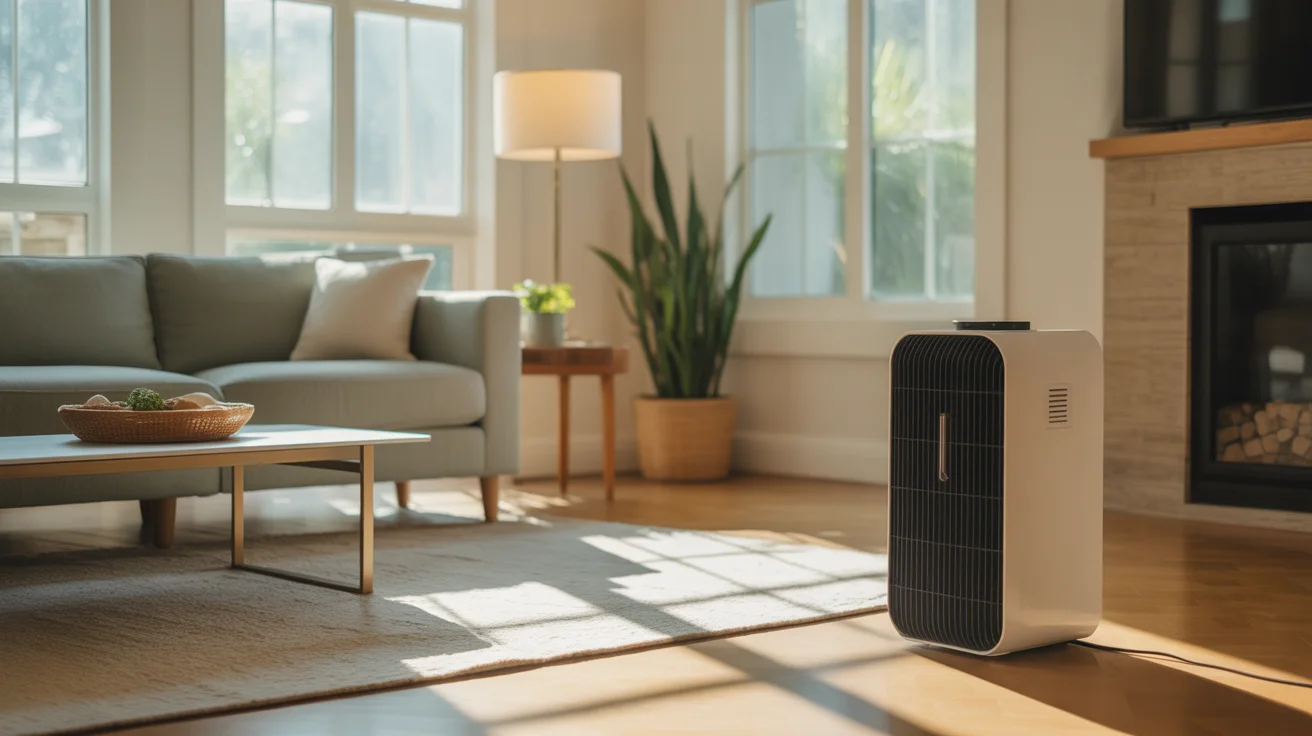
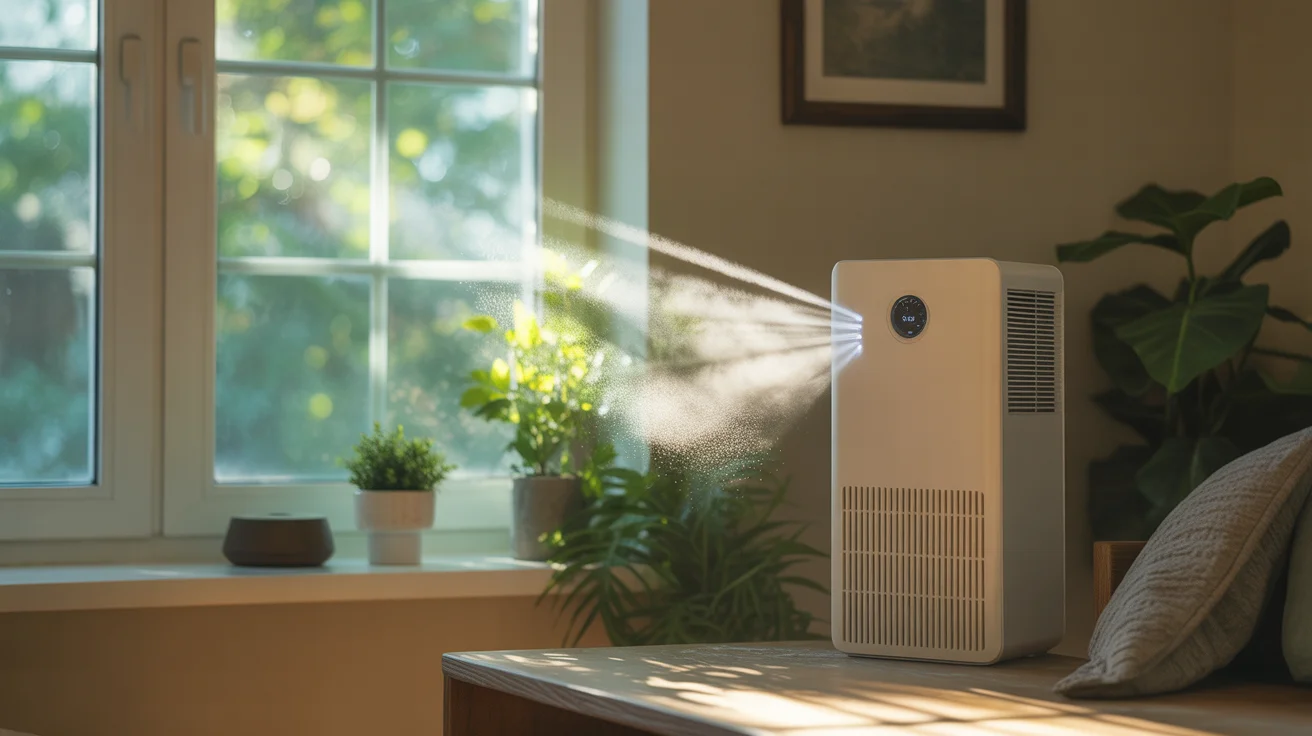
Portable HEPA air purifiers work well for bedrooms, nurseries, or home offices where you spend extended time. They capture 99.97% of particles down to 0.3 microns, which includes virtually all allergens, mold spores, and fine dust.
What to look for in an air purifier:
- True HEPA filter (not “HEPA-type” or “HEPA-style,” which are marketing terms for inferior filters)
- Activated carbon filter for VOC and odor removal
- CADR (Clean Air Delivery Rate) appropriate for your room size
- Avoid ozone generators. Some “air purifiers” produce ozone as a byproduct, which is itself a lung irritant. Look for units certified by the California Air Resources Board (CARB).
A good HEPA air purifier for a bedroom runs $200-$400. Combined with a MERV 11 filter in your central system, this gives you medical-grade air quality where it matters most.
The Priority Order (What to Do First)
If you are staring at this list wondering where to start, here is my recommended sequence based on impact per dollar:
- Upgrade your filter to MERV 11 ($15-$25, immediate impact)
- Get your ducts cleaned if it has been 5+ years ($300-$500)
- Add a HEPA purifier to the master bedroom ($200-$400)
- Install UV-C lights in your air handler ($400-$800)
- Address humidity if levels exceed 50% ($200-$3,500)
- Consider an ERV for tight, newer homes ($1,500-$3,000)
Steps 1 through 3 cost under $700 combined and will handle 80%+ of typical indoor air quality issues. Most families do not need to go further than that.
When to Call a Professional
Some situations need expert assessment rather than DIY solutions:
- Visible mold growth anywhere in your home (do not disturb it; mold releases more spores when agitated)
- Persistent musty or chemical odors that you can not trace to a source
- Health symptoms (breathing difficulty, chronic headaches, recurring respiratory infections) that improve when you leave the house
- Recent major renovation where drywall dust, paint fumes, or construction debris may have entered your duct system
- New home under two years old with ongoing off-gassing from construction materials
FAQ
How often should I test my indoor air quality?
Test once when you move into a new home, after any major renovation, and whenever unexplained health symptoms appear. If you have an air quality monitor ($80-$200), it provides continuous readings so you always know where you stand.
Can my HVAC system alone fix indoor air quality?
Your HVAC system is the backbone of your indoor air quality, but it needs the right filter, clean ducts, and sometimes supplemental equipment (UV lights, dehumidifier, or ERV) to do the job properly. A standard system with a cheap filter is just recirculating dirty air.
Are whole-house air purifiers worth the money?
For homes with severe allergies, asthma, or immune-compromised family members, yes. A whole-house purifier ($800-$2,500 installed) treats every room simultaneously and integrates with your existing HVAC. For most families with moderate concerns, a MERV 11 filter upgrade plus a portable HEPA unit in the bedroom covers 90% of the need at a fraction of the cost.
What MERV rating filter should I use?
MERV 11 for most North Texas homes. It captures pollen, mold spores, pet dander, and fine dust without overloading your blower motor. If anyone in your household has asthma or severe allergies, ask your HVAC tech to evaluate whether your system can handle MERV 13.
Do air purifiers help with Texas allergies?
Yes, significantly. A True HEPA air purifier in the bedroom removes 99.97% of airborne allergens while you sleep. Combined with a MERV 11 furnace filter and keeping windows closed during high pollen days, most allergy sufferers see noticeable improvement within a week.
How do I know if my home has a VOC problem?
Symptoms include persistent headaches, eye irritation, and a chemical smell (especially noticeable when you return home after being away for several hours). Homes with new construction, recent renovation, or new furniture are highest risk. A professional VOC test ($200-$500) identifies specific chemicals and their concentrations.
Breathe Better Starting Today
Your home should be the place where you breathe easiest, not the place making you sick. The air quality in most North Texas homes can be dramatically improved with a few targeted upgrades, starting with something as simple as a better air filter.
If you are dealing with persistent allergies, unexplained health symptoms, or just want to know what you are breathing, I am happy to evaluate your system and recommend specific improvements for your home. No pressure, no upsell on equipment you do not need.
Call (940) 390-5676 to schedule an indoor air quality assessment. I will test your air, inspect your duct system, and give you an honest recommendation on what (if anything) needs to change.
Gary Musaraj, Owner & EPA-Certified HVAC Professional, Jupitair HVAC. Serving Frisco, Plano, McKinney, Allen, Prosper, The Colony, Little Elm, and Addison since 2008.