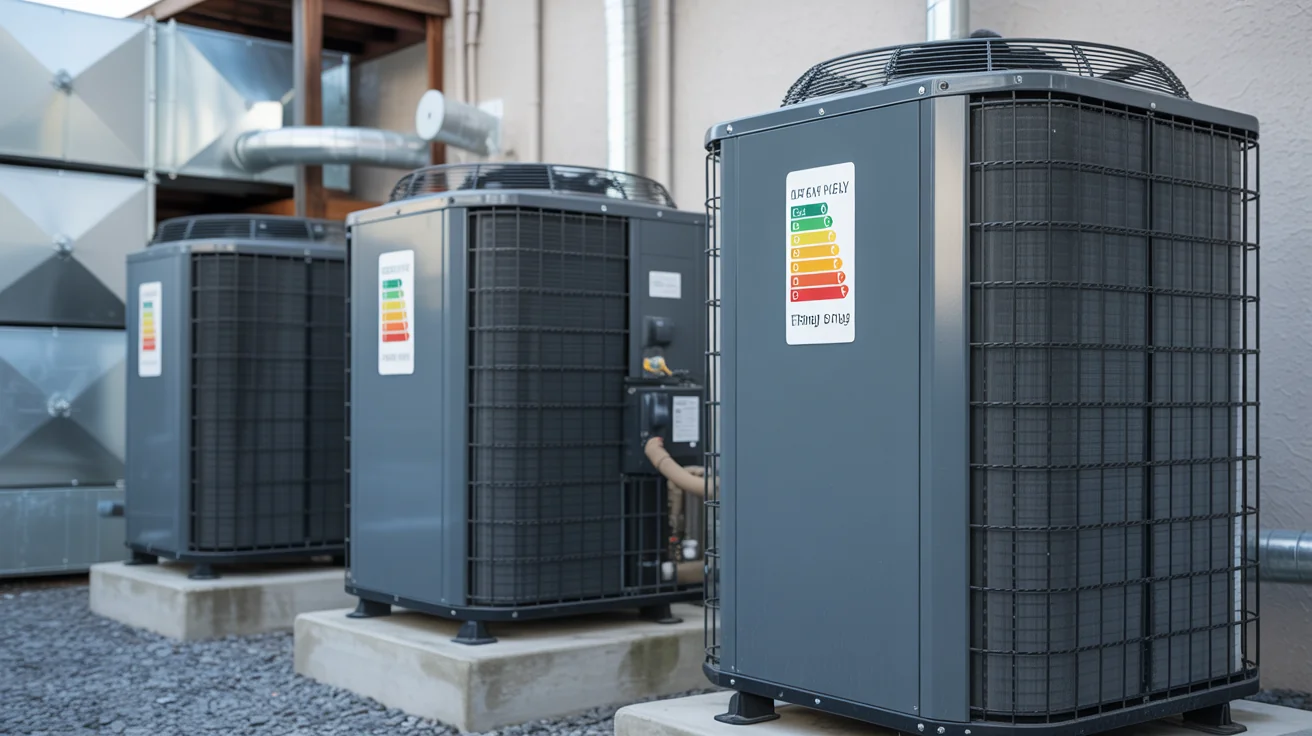
HVAC System Maintenance Procedures: Comprehensive Preventive Care for North Texas
Professional HVAC maintenance procedures for North Texas. Preventive care protocols to maximize performance, efficiency, and equipment life.
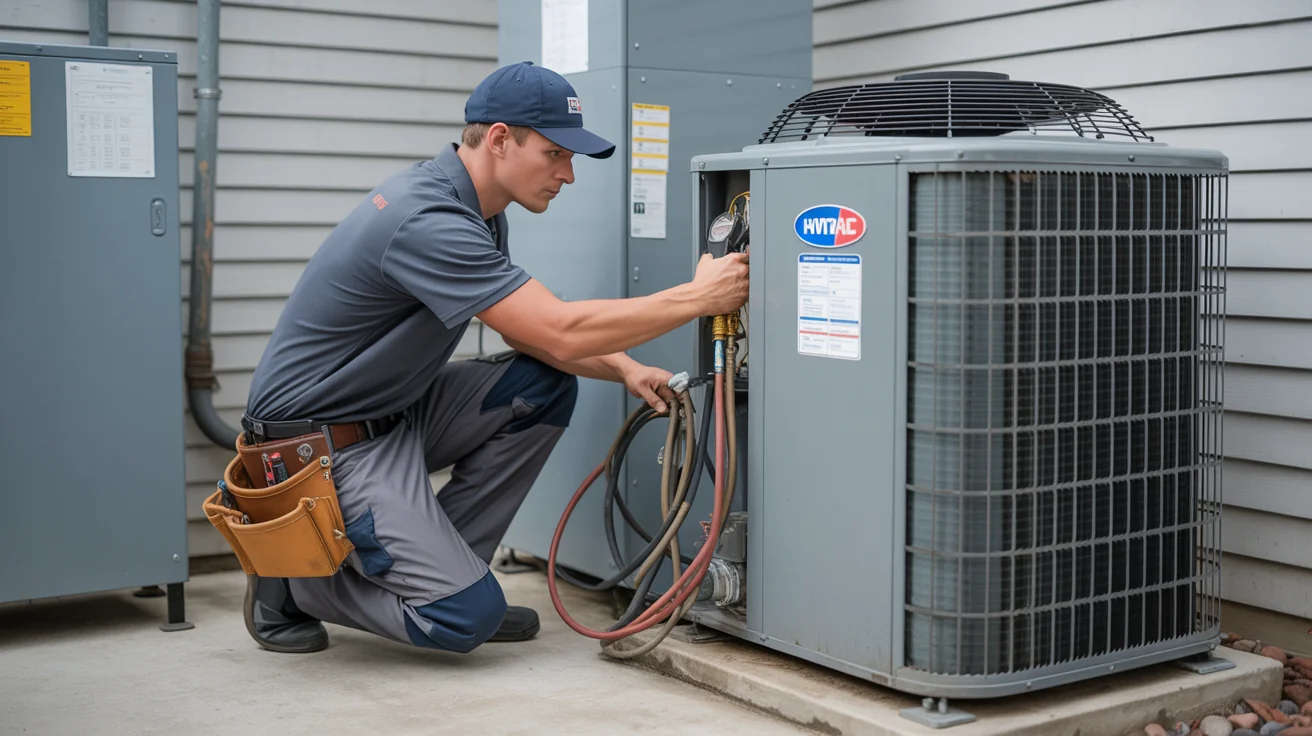
- The Strategic Importance of Systematic HVAC Maintenance
- North Texas Maintenance Challenges
- Systematic Maintenance Methodology
- Seasonal Maintenance Protocols
- Advanced Maintenance Technologies
- Maintenance Quality Assurance
- Cost-Benefit Analysis of Professional Maintenance
- Frequently Asked Questions
+ 3 more sections below...
- The Strategic Importance of Systematic HVAC Maintenance
- North Texas Maintenance Challenges
- Systematic Maintenance Methodology
- Seasonal Maintenance Protocols
- Advanced Maintenance Technologies
- Maintenance Quality Assurance
- Cost-Benefit Analysis of Professional Maintenance
- Frequently Asked Questions
+ 3 more sections below...
Professional HVAC maintenance in North Texas runs $150-$500 per service, and honestly, you should be getting it done twice a year. Spring visit in March or April to get the AC ready. Fall visit in September or October for heating. I know that sounds like a sales pitch, but here’s the thing: proper maintenance catches about 85% of major failures before they happen, cuts your energy bills 15-25%, and adds 5-8 years to your equipment’s life. Our systems out here run cooling for 6-7 months straight, deal with wild 30-40 degree temperature swings daily, and fight a constant war against dust, pollen, and humidity. Skip service and you’re losing 5-10% efficiency every single year. Our annual maintenance plans run $299-$699 and include priority emergency scheduling, which typically saves you $500-$2,000 per avoided emergency call. That math works out pretty fast.
The Strategic Importance of Systematic HVAC Maintenance
I had a family in McKinney - the Williams - who learned this one the hard way. They skipped maintenance for three years straight because they wanted to “save money.” And yeah, they saved about $450 over those three years compared to keeping up with service.
Then July hit. 104 degrees. Their system died completely.
Here’s what that actually cost them: emergency replacement came to $8,400 because the unit was beyond repair. They went three days with no AC while we scrambled to get them an emergency service appointment. Hotel bill for the family was $380. Grand total: $8,780. To save $1,350 in maintenance.
The part that really gets me? When I looked at that system, every failure was preventable. Dirty coils. Clogged condensate drain. Worn contacts. A slow refrigerant leak. I could’ve caught and fixed every single one of those during a routine visit for under $200. All of them.
Preventive maintenance changes everything about how reliable your system is. You get 15-30% lower energy costs because the system’s actually running the way it’s supposed to. You get 85% fewer emergency breakdowns. Your equipment lasts 5-8 years longer. And you stop worrying about whether the AC’s going to quit on the hottest day of the year.
That’s why I’m so insistent about maintenance procedures that go way beyond a basic tune-up, especially here in North Texas.
North Texas Maintenance Challenges
After 15+ years maintaining systems across this area, I can tell you: our climate is unusually hard on HVAC equipment. I’ve talked to techs in other parts of the country and they don’t deal with half of what we see.
What makes North Texas so tough on systems:
The cooling season alone is brutal. Six to seven months of near-continuous operation wears out parts faster than almost anywhere else in the country. Then you’ve got the temperature swings - we’ll go from 95 during the day to 55 at night, and that kind of thermal cycling causes metal fatigue and premature component failure over time.
Contamination is a whole separate battle. Between dust storms, the pollen explosions in spring, and general urban pollution, systems get clogged on a monthly basis here. Not seasonally. Monthly. Add in our humidity and you’ve got the perfect conditions for mold, corrosion, and biological growth inside the unit. And don’t even get me started on storm season - hail damage, wind debris, and power surges mean we’re constantly checking for new problems.
What happens when you skip maintenance:
Your refrigeration system loses 5-10% efficiency each year without service. Airflow gets progressively worse as contamination builds up. Electrical connections loosen and components age faster than they should. Heat exchangers get coated and lose their ability to transfer heat properly, which also creates safety concerns with gas furnaces.
Systematic Maintenance Methodology
Phase 1: Pre-Service Assessment and Documentation (30-45 minutes)
When I show up for a maintenance call, I don’t just pop the panel and start turning wrenches. The first thing I do is figure out what I’m working with.
1. Historical Performance Review
I go through previous maintenance records, look at any prior repairs, and review the system’s performance history. Has energy consumption been creeping up? Has the homeowner noticed hot and cold spots? Any recurring complaints? I also check warranty status because you don’t want to accidentally void coverage by skipping required service intervals.
2. Initial System Assessment
Pre-Service Documentation Checklist:
□ Overall system condition and age
□ [Thermostat](/services/thermostat-installation/) settings and operation
□ Filter condition and replacement needs
□ Visible damage or wear patterns
□ Safety concerns or immediate issues
□ Access needs and restrictions
□ Parts availability and replacement needs
3. Performance Baseline
Before I touch anything, I want to know where the system stands right now. Current energy consumption. Actual capacity versus rated capacity. Temperature differentials across heat exchangers. Airflow readings. How fast the controls respond. All of this gives me a starting point so I can actually measure improvement after the service, not just guess.
Phase 2: Safety and Electrical System Maintenance (45-75 minutes)
This is the part most DIY maintenance misses entirely, and it’s honestly the most important part.
1. Power Quality and Safety
I check supply voltage for consistency and fluctuation. Every single electrical connection gets inspected and tightened - loose connections are one of the top causes of component failure and even fires. Ground fault testing, insulation checks on motors and components, and I look for any signs of arcing. A loose wire at a contactor might seem like nothing, but I’ve seen that exact thing burn up a $400 part overnight.
2. Control System Service
Control System Maintenance Protocol:
Thermostat calibration and programming verification - making sure your [energy efficiency](/blog/energy-efficient-hvac-systems-north-texas/) settings are actually accurate.
Safety control testing - verifying every safety mechanism works. This is non-negotiable.
Sequencing control timing - proper startup and shutdown sequences protect the compressor.
Communication system testing - especially important if you've got a smart system or communicating equipment.
Sensor calibration - temperature, pressure, and humidity sensors drift over time. A 3-degree error on a sensor can waste real money.
Control panel cleaning - dust and insects get into everything out here.
3. Motor and Component Service
I test motor amperage, voltage, and power factor. Capacitors get tested and replaced if they’re weak - not failed, weak. A capacitor at 80% might still work, but it’s making your motor run hotter and harder than it needs to. Same with contactors and relays. I inspect the contacts, test relay operation, check all starting components, and lubricate serviceable bearings. These are the small things that prevent the big failures.
Phase 3: Refrigeration System Maintenance (60-90 minutes)
This is where the real skill comes in. Anybody can change a filter. Working on the refrigeration side requires understanding the relationship between pressures, temperatures, and airflow.
1. Refrigerant System Analysis
I do a complete system performance map using pressure and temperature readings at multiple points. Superheat and subcooling calculations tell me whether the charge is dialed in or off. I run electronic leak detection across the whole system because even a tiny leak that costs you an ounce of refrigerant per year will eventually cause a breakdown. I also evaluate internal system cleanliness and compare actual capacity against the manufacturer’s rated capacity.
Refrigeration Maintenance Procedures:
Refrigerant System Service Checklist:
□ Refrigerant level verification and adjustment
□ System leak testing with electronic detection
□ Coil cleaning and inspection (indoor/outdoor)
□ Refrigerant line insulation inspection and repair
□ Expansion device operation verification
□ System performance optimization
□ Filter-drier condition assessment
2. Heat Exchanger Maintenance
Condenser coil cleaning is probably the single highest-impact thing we do. A dirty outdoor coil can raise your electric bill 30% by itself. I use chemical cleaning solutions designed for the specific coil material. The evaporator coil gets treated for biological and chemical contamination - and believe me, in North Texas humidity, that evaporator coil is growing stuff you don’t want to think about. I straighten bent fins, verify temperature approach readings, and clean and test the condensate drain. Clogged drains cause more water damage claims than people realize.
3. Airflow System Optimization
Fan and blower assemblies get cleaned, balanced, and performance-tested. I check ductwork for leaks since a typical home loses 20-30% of conditioned air through duct leaks. Filters get replaced and I verify the filter housing seals properly - a filter that air bypasses around is just decoration. Then I do room-by-room airflow measurements and adjust dampers to balance everything out. The goal is minimizing static pressure while keeping every room comfortable.
Phase 4: Combustion System Maintenance (45-90 minutes)
Gas furnace maintenance is where safety absolutely cannot be compromised. This is life-and-death stuff.
1. Combustion Safety and Performance
Heat exchanger inspection comes first. I’m looking for cracks, corrosion, or any sign that combustion gases could leak into your living space. Then I run combustion analysis with a flue gas analyzer to measure efficiency and check for carbon monoxide. Gas pressure gets tested at the supply and at the manifold. I study the flame pattern because the color, shape, and stability of the flame tell me a lot about combustion quality. And I test for CO throughout the system and in the living space.
2. Gas System Service
Gas Appliance Maintenance Protocol:
Gas leak testing throughout the system - I check every connection, valve, and supply line.
Burner cleaning and adjustment - dirty burners cause incomplete combustion and CO formation.
Ignition system cleaning and testing - whether it's hot surface or spark, it needs to be reliable.
Flame sensor cleaning and calibration - a dirty flame sensor is the #1 cause of furnace lockouts. Takes two minutes to clean but I see guys charge $200 for the service call when it happens at 2 AM.
Gas valve operation testing - verifying proper flow control and safety shutoff.
Venting system inspection - making sure exhaust goes outside, not into your attic or living space.
Safety control verification - every safety system gets tested. Period.
3. Venting and Air Supply Systems
I inspect the entire vent system for blockages and deterioration. Draft measurements tell me if exhaust is flowing properly. I verify adequate combustion air supply, because a sealed-up house can actually starve a furnace of oxygen. Condensate drainage gets cleaned and tested on high-efficiency furnaces. And every safety interlock gets verified.
Phase 5: Indoor Air Quality and Comfort Systems (30-60 minutes)
Discover our Indoor Air Quality services.
This phase is where maintenance meets daily comfort. Your system can be mechanically perfect but still deliver poor air quality if the IAQ components aren’t maintained.
1. Filtration System Maintenance
I help homeowners pick the right filter for their system. Not just the most expensive one - the right one. A MERV 16 filter on a system designed for MERV 8 will choke the airflow and actually make things worse. I check filter housing seals because bypass around the filter defeats the purpose entirely. For homes with electronic air cleaners or multi-stage filtration, each component gets serviced. I also optimize the replacement schedule based on what I’m seeing - some homes need monthly changes, others can go three months.
2. Humidity Control Systems
In North Texas, humidity control is half the battle. I clean dehumidification drains and inspect components. If you’ve got a humidifier for winter, the water system gets cleaned and recalibrated. Humidity sensors drift just like temperature sensors, so those get checked. Ventilation systems that bring in fresh air need service too, especially with all the construction dust around here. I do a full moisture assessment because moisture problems in the walls or attic often show up as HVAC problems first.
3. Air Distribution Optimization
Supply and return vents get cleaned and adjusted. I verify room-by-room airflow to make sure the master bedroom isn’t 68 while the guest room is 78. Ductwork seals get checked - I see a lot of connections that have come apart in attics, especially after extreme heat cycles expand and contract the metal. For zoned systems, each zone gets balanced and calibrated. The end goal is uniform comfort throughout the house.
Seasonal Maintenance Protocols
Spring Maintenance Focus (March-April)
Related: Spring Maintenance
Spring maintenance is all about getting the cooling system battle-ready before the heat arrives. You don’t want to discover a problem in June when every HVAC company in North Texas has a two-week backlog.
1. Air Conditioning System Preparation
Spring AC Preparation Checklist:
□ Outdoor unit cleaning and debris removal
□ Refrigerant system testing and optimization
□ Electrical connection inspection and tightening
□ Thermostat programming for cooling season
□ Indoor [air quality system](/blog/indoor-air-quality-systems-comparison-guide/) preparation
□ Drainage system cleaning and testing
□ Performance testing and capacity verification
2. Heating System End-of-Season Service
Before I shut the heating side down for summer, I do a final safety inspection on the gas appliance. I document the heat exchanger condition so we have a reference point for fall. Proper shutdown procedures matter - you can’t just flip a switch and walk away. I also protect components from summer heat and humidity damage, and note anything that’ll need attention when we fire it back up in the fall.
Summer Maintenance Focus (June-August)
Related: Summer Maintenance
This is war season. Your system is running 14-16 hours a day, sometimes more, and it needs extra attention.
1. Extreme Heat Operation Support
I tell my maintenance plan customers to expect more frequent check-ins during summer. Weekly self-monitoring of performance is a good idea - if the house takes longer to cool down, that’s a warning sign. Filters might need changing monthly instead of quarterly when the system runs this hard. Coils get dirtier faster. Electrical components are under more stress. And we stay ready for emergencies because no matter how well you maintain a system, a 108-degree day can push even a healthy unit to its limits.
2. Mid-Season System Assessment
Around mid-July, I like to verify everything’s still holding up. I’m checking for efficiency loss, verifying refrigerant charge under actual peak load conditions, and looking at whether contamination buildup is restricting airflow. Sometimes I’ll adjust programming for the peak heat period since what worked in May doesn’t always work in August. I also look for stress-related wear patterns because components that were borderline in spring might be failing by midsummer.
Fall Maintenance Focus (September-November)
Related: Fall Maintenance
Now we’re switching gears. Cooling season’s winding down and we need the heating system ready for those cold snaps that always seem to hit earlier than expected.
1. Heating System Startup Service
Fall Heating Preparation Checklist:
□ Gas system safety inspection and leak testing
□ Heat exchanger integrity verification
□ Ignition system cleaning and testing
□ Combustion analysis and optimization
□ Safety control testing and calibration
□ Venting system inspection and cleaning
□ Thermostat programming for heating season
2. Cooling System End-of-Season Service
I document how the AC performed over the summer. Did it keep up? Were there any issues? Then I prepare the outdoor unit for winter, which means cleaning it thoroughly and making sure there’s no standing water or debris that could cause problems. I note any wear from the cooling season and plan off-season repairs while parts are available and scheduling is easy.
Winter Maintenance Focus (December-February)
Our winters are milder than up north, but they’re sneaky. We get those random 20-degree nights that test a furnace pretty hard, especially after months of sitting idle.
1. Peak Heating Performance Maintenance
I monitor combustion efficiency throughout the heating season and track heat exchanger performance to make sure heat transfer stays effective. Gas pressure stability matters during peak demand when the whole neighborhood’s furnaces kick on at once. Safety systems get ongoing verification. And I’m always looking for ways to squeeze out a little more efficiency from the programming and operation.
2. Spring Preparation Planning
By February I’m already thinking ahead. Scheduling the spring AC prep service, identifying repairs we should knock out during the mild weather window, discussing upgrade options for the next cooling season. Early scheduling means better availability and more flexibility on timing.
Advanced Maintenance Technologies
Predictive Maintenance Integration
The way we do maintenance has changed a lot in the last decade. It’s not just about showing up twice a year anymore.
1. Performance Monitoring Systems
Newer systems can track performance in real time, flagging issues before they become failures. I look at trend data to spot patterns - a compressor that’s drawing 2% more amps each month is telling you something. Predictive failure analysis helps me replace parts during scheduled visits instead of emergency calls. Energy consumption tracking shows whether the system’s getting better or worse over time. And remote monitoring means I can sometimes catch a problem before the homeowner even notices.
2. Condition-Based Maintenance
Predictive Maintenance Indicators:
- Motor vibration analysis for bearing condition
- Electrical signature analysis for motor health
- Refrigerant analysis for system contamination
- Thermal imaging for electrical connection condition
- Ultrasonic testing for leak detection
These aren’t science fiction. I use thermal imaging on almost every maintenance call now. A hot electrical connection shows up instantly on a thermal camera, and catching it early prevents a $1,500 compressor replacement.
Smart Maintenance Technologies
1. Digital Documentation Systems
I keep electronic service records for every system I maintain. Photo documentation of conditions and repairs. Complete performance data logging. This matters because when something does go wrong, having three years of data on that system helps me diagnose the problem in minutes instead of hours. It also keeps you informed about your system’s condition without having to dig through paper files.
2. Mobile Maintenance Technologies
Tablet-based service systems let me pull up your entire service history while I’m standing in front of your unit. I’ve got advanced diagnostic tools that talk directly to communicating equipment. Real-time updates so you know what’s happening and what I’m finding. GPS routing helps me get to you faster for emergency calls. And all your service data is stored securely in the cloud so it’s never lost.
Maintenance Quality Assurance
Service Quality Standards
I take this part personally. When I leave a maintenance call, I want to know that system is going to perform reliably until I see it again.
1. Service Completion Verification
Quality Assurance Checklist:
□ All scheduled maintenance tasks completed
□ System performance tested and verified
□ Safety systems tested and confirmed operational
□ Customer walkthrough and education completed
□ Service documentation completed and filed
□ Follow-up service scheduled as needed
2. Performance Guarantee Standards
I verify measurable efficiency improvements and document them. Reduced service call frequency is the proof that maintenance is working. Temperature control and comfort should be better after service. All safety systems confirmed operational. And if you’re not satisfied, we make it right. Simple as that.
Customer Communication and Education
Part of my job is making sure you understand what’s going on with your system. Not in technical jargon, but in plain English.
1. Service Reporting
You get a detailed report of everything I did. Photos of any concerns I found. Recommendations ranked by priority with honest cost-benefit analysis, not upselling. I’ll walk you through basic things you can do between visits to help your system run better. And we’ll schedule your next service before I leave so it doesn’t fall through the cracks.
2. Ongoing Support
Maintenance plan customers get 24/7 emergency support and priority scheduling. You’ll get automatic reminders when service is due. I track your system’s performance between visits, and maintenance work comes with extended warranty coverage. That’s the whole point of a maintenance relationship - you’ve got someone who knows your system inside and out.
Cost-Benefit Analysis of Professional Maintenance
Maintenance Investment Analysis
Let me break down the real numbers because I want people to understand what they’re actually paying for.
Basic maintenance runs $150-300 per service visit. A full complete service is $250-500. Annual maintenance plans cost $299-699 and cover the whole year, including both seasonal visits. But the real value shows up in what you don’t spend: $500-2,000 per emergency call you never have to make.
Return on Investment:
Energy savings of 15-25% on your operating costs. That’s real money on your electric bill every month from June through October. 85% reduction in major repair costs. Five to eight additional years of equipment life, which means you’re delaying a $6,000-12,000 replacement. And consistent comfort all year round.
Maintenance Plan Benefits
Annual Maintenance Plan Benefits:
- Two seasonal maintenance services (spring and fall)
- Priority emergency service scheduling
- Discounted rates on repairs and additional services
- Extended warranty coverage on serviced equipment
- Performance monitoring and optimization
- Customer education and support programs
I’m not going to pretend maintenance plans are for everybody. But if you want to protect your investment and avoid surprises, it’s the best deal in HVAC.
Frequently Asked Questions
Q: How often should HVAC systems receive professional maintenance? A: Twice a year in North Texas. Spring and fall. Our extreme heat and long cooling season put more stress on equipment than most parts of the country, so you really can’t skip it and expect the system to hold up.
Q: What’s included in complete HVAC maintenance? A: Everything I described above - electrical testing, refrigeration service, combustion analysis on furnaces, airflow optimization, safety verification, and performance testing. Plus complete documentation so you know exactly what was done and what to watch for.
Q: Can regular maintenance prevent most HVAC problems? A: About 85% of the major failures I see were preventable with maintenance. That’s not a made-up number. I’ve tracked it across hundreds of service calls. The ones that aren’t preventable are usually lightning strikes or manufacturing defects.
Q: What’s the difference between maintenance and repairs? A: Maintenance is the preventive stuff - cleaning, testing, adjusting, replacing wear items before they fail. Repairs are what happens when something actually breaks. The whole point of maintenance is to minimize repairs.
Q: How much does professional HVAC maintenance cost? A: $150-500 per service depending on system complexity. Annual plans run $299-699 and include both visits plus discounts on parts and repairs. Compare that to a single emergency call that’ll easily cost $500-2,500.
Q: When should I schedule HVAC maintenance? A: March or April for cooling prep. September or October for heating prep. Avoid scheduling in June through August if you can, because that’s when every HVAC company is slammed and availability gets tight.
Take Action: Schedule Professional HVAC Maintenance
Look, I know maintenance doesn’t sound exciting. Nobody wakes up thrilled about getting their AC serviced. But it’s the single best thing you can do to protect your equipment, keep your bills down, and avoid calling me at midnight when it’s 100 degrees.
Ready for professional HVAC maintenance? Call (940) 390-5676 and we’ll get you scheduled. You can also book online at jupitairhvac.com/contact. Ask about our annual maintenance plans if you want the full coverage. Same-day service is available in most cases.
Professional Maintenance Services
Jupitair HVAC provides complete maintenance across North Texas. Our technicians are certified and trained on all major brands and system types. We follow thorough maintenance protocols on every visit, not shortcuts. Performance guarantee on all maintenance services. And maintenance plan customers always get priority when emergencies happen.
Professional HVAC maintenance is about catching problems early, keeping efficiency up, and making equipment last. That’s what we do at Jupitair HVAC, and we’ve been doing it across North Texas since 2008.
Jupitair HVAC - Your North Texas maintenance specialists since 2008. Licensed & Insured.
Sources & References
The maintenance procedures and preventive care guidelines in this article are based on the following authoritative sources:
- U.S. Department of Energy - HVAC Maintenance - Federal maintenance guidance
- ENERGY STAR - Heating and Cooling Maintenance - Efficiency maintenance standards
- ASHRAE - HVAC Maintenance Standards - Industry maintenance protocols
- ACCA - Maintenance Standards - Professional maintenance guidelines
- EPA - Indoor Air Quality - Air quality maintenance requirements
- Texas Department of Licensing - HVAC - State contractor licensing
Last Updated: January 2026
Need Professional HVAC Service?
Our certified technicians are ready to help with any HVAC needs in North Texas