Furnace Ignitor Replacement: Signs, Costs, and DIY vs Pro
Is your furnace ignitor failing? Learn the warning signs, replacement costs ($150-$400), ignitor types, and whether to DIY or call a pro. North Texas furnace repair guide.
Furnace Ignitor Replacement: Signs, Costs, and DIY vs Pro
It’s 6 AM on a January morning in Plano. You wake up and the house is 58 degrees. The thermostat is set to 70. You hear the furnace click on, the blower runs for a few seconds, and then everything shuts down. No heat. It tries again. Click, hum, shutdown. Over and over.
Nine times out of ten, that’s a failed furnace ignitor. It’s one of the most common heating repairs I handle in North Texas, and it’s also one of the most straightforward. The part itself costs $15 to $100. Professional replacement runs $150 to $400 total. And the whole job takes about 30 minutes.
But before you grab a YouTube video and a screwdriver, there are some things you need to know about ignitor types, warranty implications, and when this “simple” repair isn’t actually simple.
What a Furnace Ignitor Does (And Why It Fails)
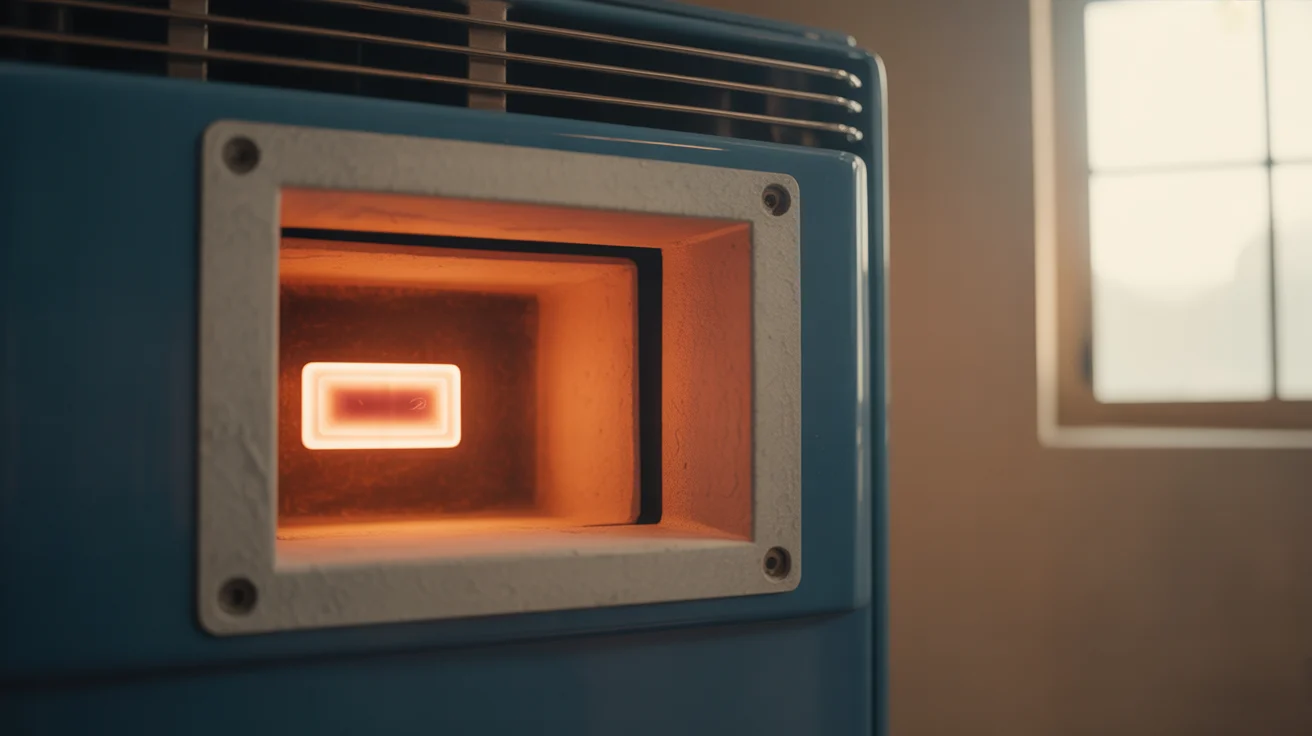
Every modern gas furnace uses an ignitor to light the burners. When your thermostat calls for heat, the furnace control board sends voltage to the ignitor. The ignitor heats up to 1,800 to 2,500 degrees Fahrenheit in about 30 seconds. Once it’s hot enough, the gas valve opens and the burners ignite from contact with the glowing ignitor.
Older furnaces (pre-1990s) used a standing pilot light, a small flame that burned constantly. Modern furnaces replaced that with a hot surface ignitor (HSI) because it’s more efficient and safer. No gas burns when the furnace isn’t running.
Why ignitors fail: The extreme temperature cycling is the primary cause. Every time your furnace starts, the ignitor goes from room temperature to over 2,000 degrees in seconds, then cools back down when the cycle ends. That thermal shock creates microscopic cracks in the ignitor material over thousands of cycles. Eventually, those cracks cause the ignitor to break or lose its ability to reach ignition temperature.
Most furnace ignitors last 4 to 7 years. In North Texas, where our heating season is shorter (November through March with sporadic use), ignitors tend to last toward the longer end of that range. But when they fail, they always seem to pick the coldest morning of the year to do it.
Types of Furnace Ignitors
Not all ignitors are the same, and knowing which type your furnace uses affects both the repair cost and approach.
Silicon Carbide Ignitors
These are the older style, found in furnaces manufactured from the late 1980s through the mid-2000s. You can identify them by their dark gray or black color and rough, textured surface. They’re usually flat and rectangular, about 3 inches long.
Silicon carbide ignitors are extremely fragile. The material is brittle, and even the oil from your fingers can create a hot spot that leads to premature failure. I’ve seen brand-new silicon carbide ignitors crack during installation because the tech handled them too roughly.
Typical lifespan: 3 to 5 years Part cost: $15 to $40
Silicon Nitride Ignitors
This is the current standard. Virtually all furnaces manufactured after 2010 use silicon nitride ignitors. They’re lighter in color (usually white or light gray), smaller, and more durable than silicon carbide.
Silicon nitride ignitors heat up faster, use less energy, and handle thermal shock significantly better. They’re rated for 60,000+ ignition cycles, compared to roughly 10,000 to 20,000 for silicon carbide.
Typical lifespan: 5 to 8 years Part cost: $25 to $100
| Ignitor Type | Appearance | Lifespan | Part Cost | Found In |
|---|---|---|---|---|
| Silicon Carbide | Dark, rough, fragile | 3-5 years | $15-$40 | Furnaces from 1990-2005 |
| Silicon Nitride | Light, smooth, durable | 5-8 years | $25-$100 | Furnaces from 2005-present |
A few older Lennox and Carrier models use spark ignitors instead (electronic modules, $30 to $80, lasting 5 to 10 years), but these are uncommon in North Texas residential furnaces.
Signs Your Furnace Ignitor Is Failing
A failing ignitor doesn’t always go from working to dead overnight. There are warning signs, and catching them early can prevent that 6 AM cold wake-up call.
The Furnace Clicks But Won’t Fire
This is the most obvious sign. You hear the furnace start its ignition sequence (the click of the gas valve relay and the hum of the inducer motor), but the burners never light. The system tries 2 to 3 times, then locks out with a fault code. If your furnace has a diagnostic LED, you’ll see it flash an ignition failure code.
Delayed Ignition
The furnace starts, but there’s a noticeable delay between when you hear the gas valve open and when the burners actually ignite. You might hear a small “whomp” or “poof” sound when the gas finally catches. This means the ignitor isn’t reaching full temperature fast enough, and gas is accumulating before ignition. This is both a comfort issue and a safety concern.
Furnace Short Cycles
The furnace lights successfully but shuts off after only a few minutes, then tries again. A weak ignitor can sometimes light the burners but not generate enough heat to keep the flame sensor reading correctly. The control board interprets this as an unsafe condition and shuts down the gas.
Visible Cracks or Damage
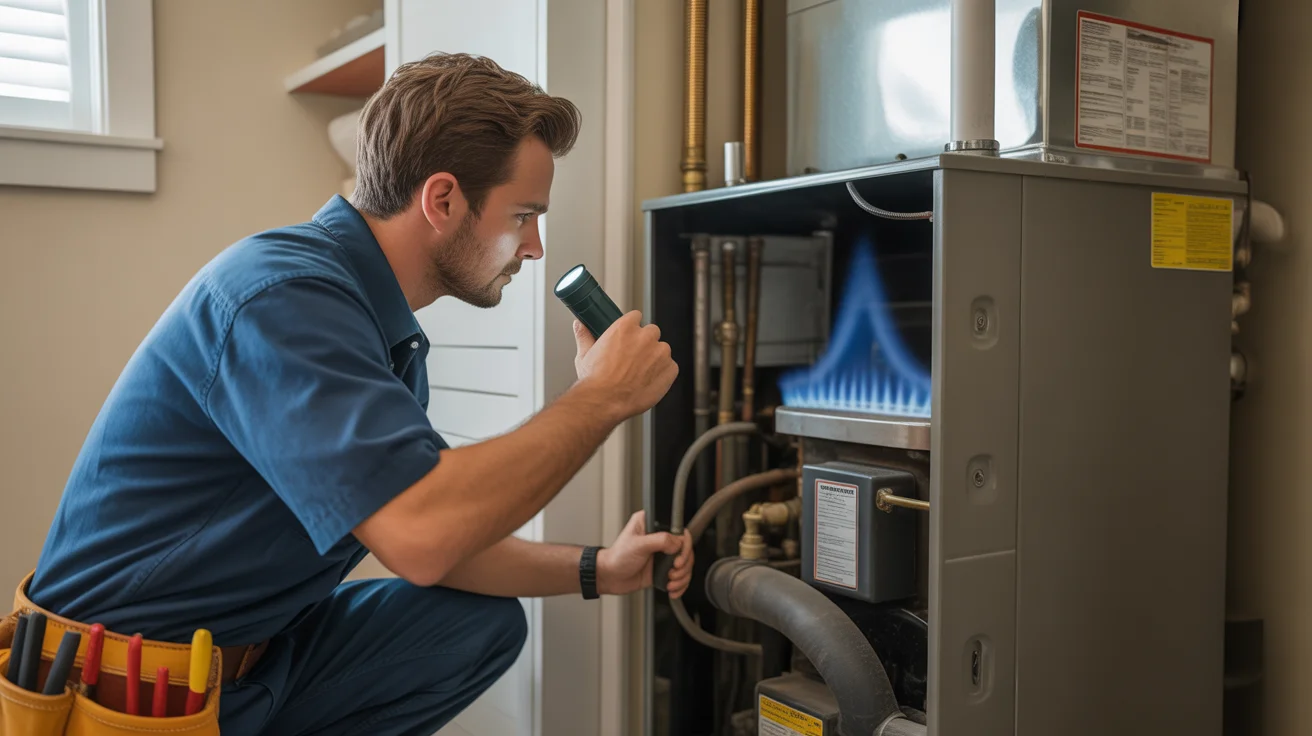
If you remove the furnace access panel and inspect the ignitor (with the furnace OFF and cooled down), you may see visible cracks, chips, or white spots on the ignitor element. Any visible damage means the ignitor is done. Don’t wait for it to fail completely.
The Ignitor Glows But Looks Dim
A healthy ignitor glows bright orange or white-hot during the ignition sequence. If it glows red or dim orange, it’s not reaching the 1,800+ degree threshold needed for reliable ignition. The ignitor material is degrading, and failure is coming soon.
What a Furnace Ignitor Replacement Costs in North Texas
A furnace ignitor replacement is one of the more affordable furnace repairs. Here’s what you can expect to pay in the DFW area:
| Cost Component | Range |
|---|---|
| Ignitor part (universal) | $15 - $35 |
| Ignitor part (OEM) | $40 - $100 |
| Labor (standard hours) | $80 - $200 |
| Service call / diagnostic fee | $75 - $125 |
| Total (standard hours) | $150 - $400 |
| Total (after-hours / emergency) | $300 - $500 |
The biggest cost factors: OEM parts run $40 to $100 versus $15 to $35 for universal (but non-OEM parts can void your warranty). After-hours and emergency calls add $150 to $250 on top. And if the tech finds additional issues during the diagnostic (cracked flame sensor, dirty burners, failing inducer motor), the total bill goes up.
DIY Furnace Ignitor Replacement: Should You?
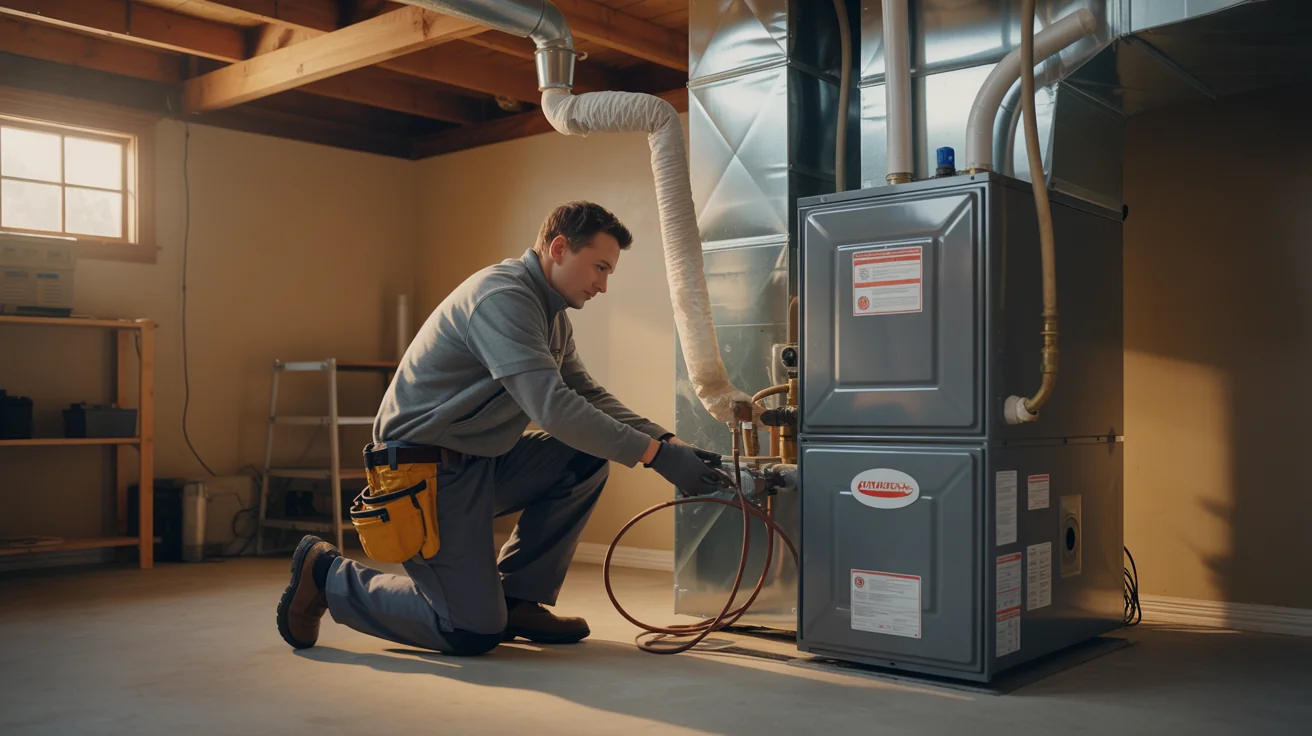
Every DIY YouTube channel says you can do this yourself. Mechanically, they’re right: remove two screws, unplug a connector, plug in the new one, replace the screws. Ten minutes with a 1/4-inch nut driver.
But “mechanically simple” and “you should do it” are different things.
The case for DIY: You save $100 to $350 versus professional replacement. The part is $15 to $35 online. No special tools required.
The case against DIY:
- Warranty risk: DIY repairs on a furnace under 10 years old can void the manufacturer’s warranty. A $20 fix could cost you thousands in future uncovered repairs.
- Misdiagnosis: Bad ignitor symptoms overlap with a bad flame sensor, faulty control board, cracked heat exchanger, and gas valve issues. Replace the wrong part and you’ve wasted money and still have no heat.
- Safety: You’re working on a gas appliance. Disturbing the burner assembly or a gas connection creates leak and carbon monoxide risks. I’ve responded to homes where a DIY repair created genuine danger.
- Fragility: Silicon carbide ignitors crack if you touch the element with bare fingers, overtighten the screws, or bump them during installation. Even experienced techs break them.
My recommendation: If your furnace is out of warranty (10+ years old) and you’re confident it’s the ignitor, DIY is reasonable. Wear gloves, don’t touch the element, and watch a model-specific video. If your furnace is under warranty, call a licensed tech. The $150 to $250 you pay protects thousands in future warranty coverage. For more on keeping your warranty intact, check my gas furnace safety guide. If you’re not sure what’s wrong, call a pro for a proper diagnosis. See my full furnace repair guide for more.
Troubleshooting Before You Call
About 20% of “my furnace won’t light” calls I get turn out to be something other than an ignitor. Before scheduling a furnace repair, check these:
- Thermostat: Set to HEAT mode, temperature above current room temp, fresh batteries if applicable
- Furnace power switch: Look for a light switch on or near the furnace. Someone may have turned it off.
- Circuit breaker: Find the breaker labeled “furnace” or “HVAC” and reset if tripped
- Gas supply: Check if other gas appliances (stove, water heater) are working. If nothing gas-powered works, the issue is your gas supply.
- Air filter: A severely clogged filter causes the furnace to overheat and shut down. If you can’t see light through it, replace it and try again.
- Error codes: Most furnaces have a diagnostic LED visible through a peephole on the front panel. The flash pattern indicates the problem. Google your furnace model plus “error codes” to decode it. Ignitor failure is typically a 4-flash or 6-flash code.
When an Ignitor Failure Means Something Bigger
Sometimes a failed ignitor is just a worn-out part. But if yours fails more than once every 3 years, something else is going on.
Voltage issues: Inconsistent home voltage (spikes and drops) kills ignitors prematurely. Have an electrician check if you’re burning through them.
Short cycling: A furnace that cycles 10 times per hour instead of 3 to 4 puts double the thermal stress on the ignitor. Short cycling usually points to an oversized system, bad flame sensor, or failing control board.
Gas pressure problems: Low gas pressure means the ignitor heats up but gas doesn’t flow with enough force to make contact. The ignitor gets blamed, but the real issue is the gas regulator or supply line.
Cracked heat exchanger: This is the serious one. A crack disrupts airflow across the burners, causing erratic ignition and premature ignitor failure. If your tech finds this during an ignitor replacement, the conversation shifts from a $200 repair to a potential furnace replacement, because a cracked heat exchanger is a carbon monoxide risk.
FAQ
How long does a furnace ignitor last?
Most hot surface ignitors last 4 to 7 years. Silicon nitride ignitors (found in newer furnaces) typically last 5 to 8 years, while older silicon carbide ignitors average 3 to 5 years. In North Texas, where heating season is shorter than northern states, ignitors tend to last toward the upper end of these ranges.
Can I use a universal ignitor instead of an OEM replacement?
Universal ignitors work in most residential furnaces and cost $15 to $35 compared to $40 to $100 for OEM parts. However, using a non-OEM part can void your manufacturer’s warranty. If your furnace is still under warranty (typically 5 to 10 years from installation), use the OEM part. If it’s out of warranty, a quality universal ignitor from a reputable brand like White-Rodgers or Emerson is fine.
Why does my furnace ignitor keep breaking?
If you’re replacing the ignitor more than once every 3 years, the ignitor itself isn’t the real problem. Common causes include voltage fluctuations, short cycling from an oversized system or faulty flame sensor, improper installation (touching the element with bare hands), or gas pressure issues. Have a licensed tech diagnose the underlying cause rather than just replacing the symptom.
Is a furnace ignitor covered under warranty?
Most manufacturer warranties cover the ignitor as a standard component for 5 years (base warranty) or 10 years (registered warranty). The part would be covered, but labor, diagnostic fees, and the service call fee are typically not included unless you have a separate labor warranty from your installer.
My furnace ignitor glows but the burners won’t light. What’s wrong?
If the ignitor is glowing hot but the burners don’t ignite, the problem is likely not the ignitor. Common causes include a faulty gas valve (not opening despite the signal), low gas pressure, a blocked burner orifice, or a wiring issue between the control board and the gas valve. This diagnosis requires a licensed technician with proper gas testing equipment.
Furnace not lighting? Need a fast ignitor replacement in North Texas? Call Jupitair HVAC at (940) 390-5676 for same-day furnace repair in Frisco, Plano, McKinney, Allen, Prosper, The Colony, Little Elm, and Addison. I carry universal and OEM ignitors on my truck and can usually have your heat back on within an hour of arrival.