Gas Furnace Safety: Carbon Monoxide, Flame Colors, and Warning Signs
Gas furnace safety guide from a North Texas HVAC tech. Learn furnace flame color meanings, carbon monoxide warning signs, cracked heat exchanger symptoms, and what to do if you smell gas.
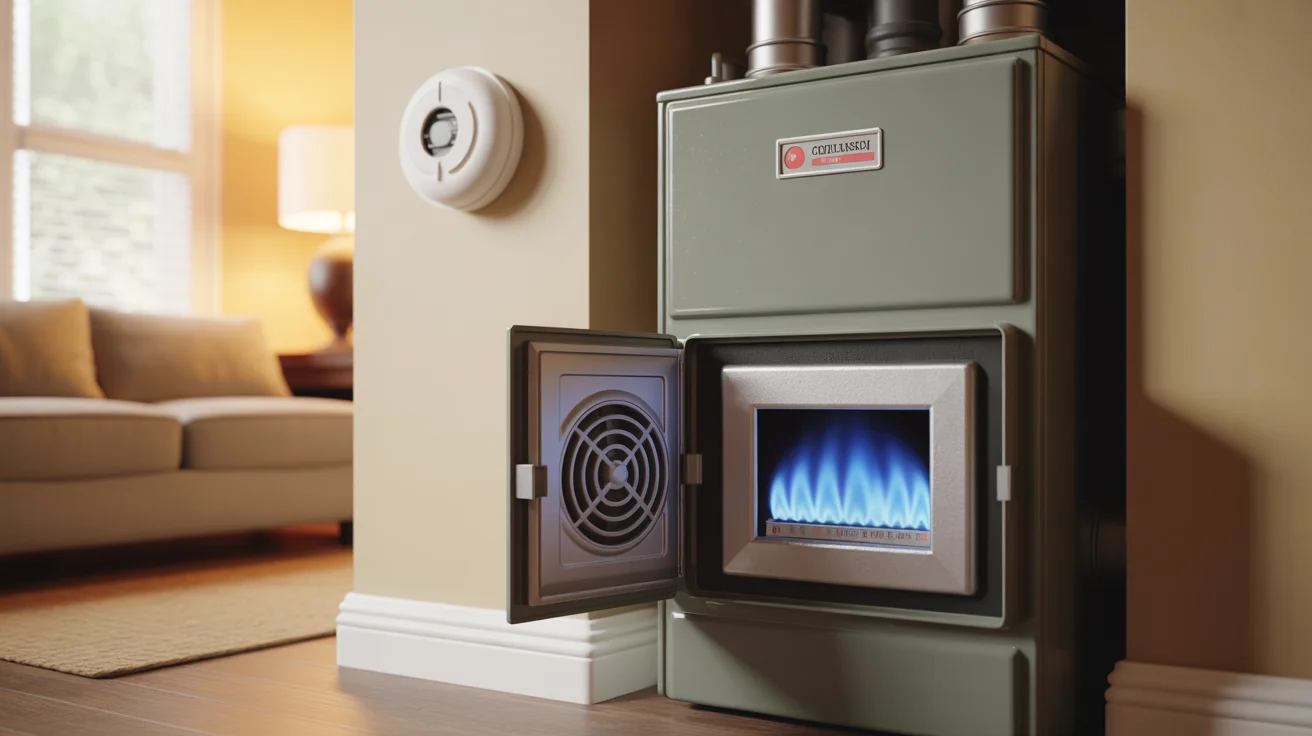
- Carbon Monoxide: The Invisible Danger in Your Utility Closet
- Furnace Flame Color: Your Built-In Warning System
- Carbon Monoxide Symptoms You Should Never Ignore
- Cracked Heat Exchanger: The Most Dangerous Furnace Problem
- Gas Smell from Your Furnace: What to Do Right Now
- Your Gas Furnace Safety Checklist
- Frequently Asked Questions
- The Bottom Line: Safety Is Not Optional
- Carbon Monoxide: The Invisible Danger in Your Utility Closet
- Furnace Flame Color: Your Built-In Warning System
- Carbon Monoxide Symptoms You Should Never Ignore
- Cracked Heat Exchanger: The Most Dangerous Furnace Problem
- Gas Smell from Your Furnace: What to Do Right Now
- Your Gas Furnace Safety Checklist
- Frequently Asked Questions
- The Bottom Line: Safety Is Not Optional
Your gas furnace keeps your family warm all winter. It can also kill them. That is not dramatic language. According to the CDC, carbon monoxide from furnaces and other fuel-burning appliances causes over 400 deaths and 100,000 emergency room visits every year in the United States. Most of those deaths happen between November and February, when heating systems run the hardest.
Gas furnace safety is something I take personally. I have been inspecting and repairing furnaces across Frisco, Plano, McKinney, Allen, and the surrounding North Texas cities since 2008. In that time, I have found cracked heat exchangers leaking carbon monoxide into homes where families were sleeping. I have seen yellow furnace flames that homeowners ignored for months. Every single one of those situations was preventable with basic knowledge.
This guide covers exactly what you need to know: how to read your furnace flame, recognize carbon monoxide symptoms, spot a failing heat exchanger, and what to do if you smell gas. None of this requires technical training. It requires paying attention.
Carbon Monoxide: The Invisible Danger in Your Utility Closet
Carbon monoxide is a colorless, odorless gas produced when natural gas burns incompletely inside your furnace. A properly functioning furnace produces very small amounts of CO that vent safely through the flue pipe and out of your home. A malfunctioning furnace can flood your living space with lethal concentrations.
Here is why carbon monoxide from furnaces is so dangerous: you cannot see it, smell it, or taste it. By the time you notice symptoms (headaches, dizziness, nausea), you have already been breathing it. At high concentrations, CO causes unconsciousness within minutes.
The numbers paint a grim picture. The CDC reports more than 400 unintentional CO poisoning deaths annually, with over 14,000 hospitalizations. Winter months account for the vast majority. January is the deadliest month, followed by December. In 2026 alone, Maryland reported a 50% increase in CO exposure cases compared to the previous year.
North Texas homes are especially vulnerable for a reason most people do not consider. Newer construction in communities like Prosper, Frisco, and The Colony features tight building envelopes designed for energy efficiency. That is great for your electric bill. It is terrible for ventilation when something goes wrong with your furnace. A cracked heat exchanger in a tightly sealed 2015 home is far more dangerous than the same crack in a drafty 1970s ranch house, because the CO has nowhere to escape.
The three most common ways furnaces leak carbon monoxide into your home:
- Cracked heat exchanger. The metal wall separating combustion gases from your breathable air develops a crack or hole. This is the most dangerous scenario.
- Blocked or damaged flue pipe. The exhaust vent that carries combustion gases outside becomes obstructed (bird nests, debris, ice) or disconnected.
- Backdrafting. Negative pressure inside the home pulls exhaust gases back down the flue instead of letting them exit. This happens more often in tightly sealed homes with powerful range hoods or bathroom exhaust fans.
Furnace Flame Color: Your Built-In Warning System
Your furnace has a built-in safety indicator that most homeowners never check. The furnace flame color tells you whether combustion is happening correctly or whether your system is producing dangerous levels of carbon monoxide.
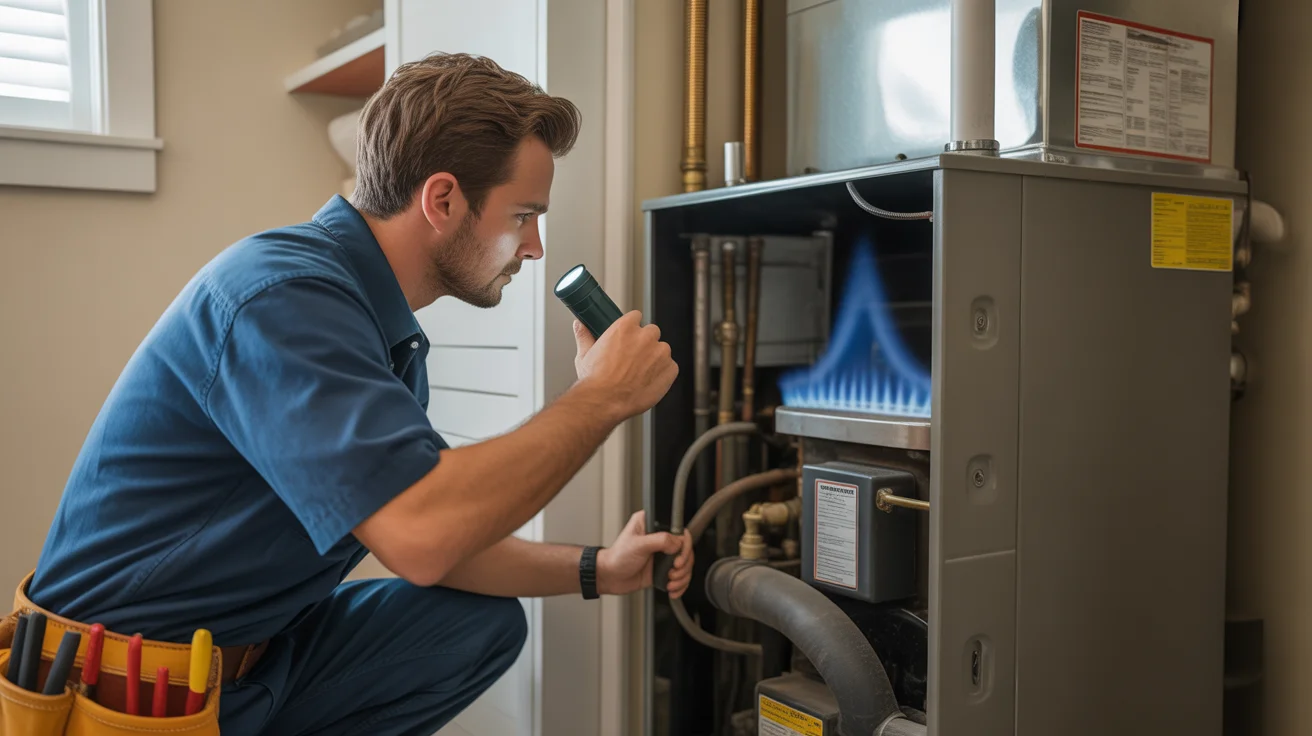
A healthy gas furnace flame is blue. Specifically, you want to see a steady, strong blue flame with a small, lighter blue triangle at the center and possibly a tiny yellow tip. That color means the right ratio of gas and air is mixing, creating complete combustion. Complete combustion produces heat, water vapor, and carbon dioxide (not carbon monoxide).
When the flame turns yellow, orange, or red, something is wrong. Incomplete combustion is occurring, and your furnace is almost certainly producing improve levels of carbon monoxide.
Here is what each furnace flame color meaning tells you:
| Flame Color | What It Means | Action Required |
|---|---|---|
| Steady blue with small yellow tip | Normal, complete combustion | None. Your furnace is healthy. |
| Mostly yellow | Incomplete combustion, possible CO production | Turn off furnace. Call for service. |
| Orange or red | Dirty burners or serious combustion issue | Turn off furnace. Call for service immediately. |
| Flickering blue (unsteady) | Draft issue or gas pressure problem | Schedule inspection soon. |
| Green tint | Foreign material on burners (often copper) | Call for service. Burners need cleaning. |
The most common cause of a yellow or orange flame is dirty burners. Dust, pet hair, and debris accumulate on burner surfaces over the summer when the furnace sits idle. When you fire it up in October or November, that buildup interferes with the air-to-gas mixture and produces incomplete combustion. A simple burner cleaning during annual maintenance prevents this entirely.
A more serious cause is a cracked heat exchanger. When the heat exchanger cracks, it disrupts airflow patterns inside the combustion chamber. The flame reacts to the changed airflow by shifting color, flickering, or rolling out of the burner area (called “flame rollout”). If you see flames reaching outside the burner compartment, shut the system off immediately and call a professional. That is not a “schedule it next week” situation.
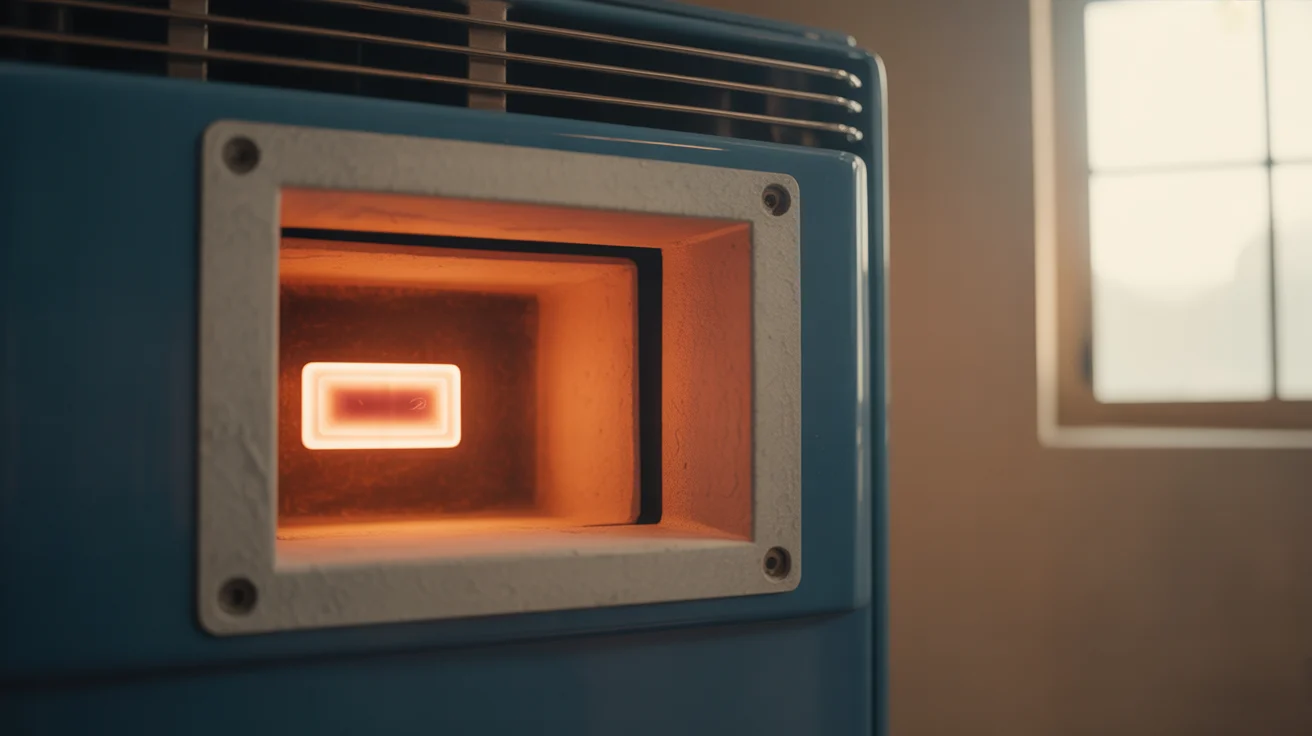
How to check your flame: Most furnaces have a small window or viewport on the front panel near the burners. With the furnace running, look through this window. If you cannot see the flame, refer to your owner’s manual for the viewport location. Never remove the furnace cover while the system is operating.
Carbon Monoxide Symptoms You Should Never Ignore
The reason gas furnace carbon monoxide symptoms are so deadly is that they mimic common illnesses. People assume they have the flu or a bad headache. They go to bed. They do not wake up.
Here is what carbon monoxide exposure looks like at different concentration levels:
| CO Level (ppm) | Exposure Time | Symptoms |
|---|---|---|
| 50 ppm | 8 hours | Mild headache in healthy adults |
| 100 ppm | 2-3 hours | Headache, fatigue, slight nausea |
| 200 ppm | 1-2 hours | Dizziness, nausea, frontal headache |
| 400 ppm | 1-2 hours | Life-threatening. Severe headache, confusion, nausea |
| 800 ppm | 45 minutes | Unconsciousness, death if not rescued |
There is one clue that separates CO poisoning from the flu: your symptoms improve when you leave the house. If your headache disappears at work and comes back every evening, that pattern should alarm you. If multiple family members develop headaches, nausea, or dizziness at the same time, carbon monoxide exposure is the most likely explanation.
Pay special attention to vulnerable family members. Children, elderly adults, people with heart conditions, and pets show symptoms before healthy adults. If your dog seems lethargic and your kids complain of headaches during heating season, do not assume it is a coincidence.
If you suspect CO exposure right now:
- Get everyone (including pets) out of the house immediately
- Call 911 from outside
- Do not go back inside for any reason
- Do not try to find the source of the leak
- Let the fire department test CO levels before re-entering
This is not something to troubleshoot yourself. Carbon monoxide at dangerous levels can cause you to lose consciousness before you realize how impaired you are.
Cracked Heat Exchanger: The Most Dangerous Furnace Problem
The heat exchanger is a set of metal chambers inside your furnace where combustion happens. Flames heat the inside of these chambers. Your home’s air passes over the outside. The metal wall between them keeps combustion gases (including carbon monoxide) separated from the air you breathe.
When that wall cracks, CO leaks into your air supply. A furnace heat exchanger crack is the single most dangerous furnace malfunction because it silently contaminates your entire home through the duct system.
Here are the warning signs of a cracked heat exchanger:
- Yellow or orange flame instead of blue (combustion disrupted by the crack)
- Soot or black residue on or around the burners and inside the furnace cabinet
- Chemical or aldehyde smell when the furnace runs (similar to formaldehyde)
- Water pooling at the base of the furnace that is not from the condensate drain
- CO detector alarms (even intermittent alarms should be investigated)
- Visible corrosion or warping on the heat exchanger surface
- Flame rollout (flames extending outside the normal burner area)
Heat exchangers typically fail for two reasons. The first is age. Metal expands and contracts with every heating cycle, thousands of times per season. After 15 to 20 years, metal fatigue causes cracks. If your furnace is older than 15, annual heat exchanger inspections are not optional.
The second reason is restricted airflow. When dirty filters force the furnace to overheat repeatedly, the heat exchanger endures temperatures beyond its design limits. That accelerates metal fatigue. I have seen heat exchangers crack in 10-year-old furnaces that never had a filter changed. A $5 filter could have prevented a $2,000 problem.
Cost reality: Replacing a heat exchanger runs $1,500 to $3,500 depending on the furnace model. On a furnace older than 15 years, I almost always recommend full furnace replacement instead. You are spending $3,000+ on a part for a system that is near end-of-life anyway. A new furnace ($3,500 to $6,000 installed) comes with a warranty and modern safety features, including sealed combustion that virtually eliminates CO risk.
If another company tells you that you need a heat exchanger on a furnace under 10 years old, get a second opinion. Cracked heat exchanger diagnoses are unfortunately one of the most common upsell tactics in the HVAC industry. A legitimate diagnosis requires a combustion analyzer reading and visual inspection, not just a flashlight and a sales pitch.
Gas Smell from Your Furnace: What to Do Right Now
A gas smell from furnace operation is a different danger than carbon monoxide. Natural gas is combustible. A gas leak creates explosion and fire risk in addition to poisoning risk.
Natural gas is actually odorless. Utility companies add mercaptan, a chemical that smells like rotten eggs or sulfur, so you can detect leaks. If you smell that distinctive rotten egg odor near your furnace, take it seriously.
If you smell gas strongly:
- Do not flip any light switches or electrical devices (sparks can ignite gas)
- Do not use your phone inside the house
- Get everyone out immediately
- Call your gas utility’s emergency line from outside (Atmos Energy in North Texas: 866-322-8667)
- Call 911
- Do not re-enter until the utility company clears the home
When a gas smell is normal: A faint, brief gas smell when your furnace first starts up for the season is usually not dangerous. Small amounts of gas accumulate in the combustion chamber during the off-season and burn off in the first few cycles. This should last seconds, not minutes. If the smell persists beyond the first few startups, or if you smell gas at any other time, that is not normal.
Other furnace smells and what they mean:
- Burning dust: Normal at season startup. Dust on the heat exchanger burns off. Goes away within a few hours.
- Electrical burning smell: Overheating motor, wiring issue, or failing blower. Shut off the furnace and call for furnace repair.
- Musty or moldy smell: Moisture in the ductwork or filter. Not a gas safety issue, but check the condensate drain and replace your filter.
- Chemical or metallic smell: Possible heat exchanger crack. Shut off the furnace and call for inspection.
Your Gas Furnace Safety Checklist
Prevention eliminates nearly every gas furnace safety scenario I have described. Here is what every North Texas homeowner should do:
CO Detectors (non-negotiable):
- Install a CO detector on every floor, including the basement
- Place one within 15 feet of every sleeping area
- Replace detectors every 5 to 7 years (they lose sensitivity)
- Test monthly by pressing the test button
- Replace batteries every 6 months (or use sealed 10-year battery models)
Annual Professional Inspection:
- Schedule a furnace tune-up before heating season (September or October)
- A proper inspection includes combustion analysis, heat exchanger examination, and flue integrity check
- Cost: $89 to $150 for a thorough inspection. Cheap compared to what it prevents.
- Detailed guidance on what a furnace inspection covers and common repair costs
What You Can Do Yourself:
- Replace the air filter every 1 to 3 months during heating season
- Keep the area around your furnace clear (no storage within 3 feet)
- Check the flue pipe for visible damage, disconnection, or rust
- Look at the flame through the viewport every month during winter
- Make sure all vents and registers are open and unblocked
Red Flags That Require Immediate Professional Attention:
- Yellow or orange furnace flame
- Soot around the furnace or on walls near registers
- CO detector alarms (even brief ones)
- Any gas smell that persists beyond initial startup
- Furnace cycling on and off rapidly
- Unexplained headaches or nausea during heating season
Frequently Asked Questions
How often should I have my gas furnace inspected for safety?
Once per year, ideally before heating season starts. A professional inspection includes combustion analysis that measures CO output, heat exchanger visual examination, and flue pipe integrity testing. Annual inspections catch problems like small cracks, burner issues, and draft problems before they become dangerous. The typical cost is $89 to $150.
Can a gas furnace produce carbon monoxide even if it seems to be working fine?
Yes. A furnace can heat your home normally while producing dangerous CO levels through a small heat exchanger crack. The crack may only open under heat (when the metal expands), allowing CO into your air supply during operation and closing when the system cools. This is exactly why CO detectors and annual combustion analysis testing are so critical. You cannot detect this by how well your furnace heats.
What should I do if my carbon monoxide detector goes off but I feel fine?
Evacuate immediately and call 911 from outside. CO detectors alarm at concentrations well below immediately life-threatening levels. Feeling fine does not mean you are safe. It means the detector caught the problem early. Never assume a CO alarm is a false alarm. Let the fire department verify levels before going back inside.
How much does it cost to fix a cracked heat exchanger?
Heat exchanger replacement costs $1,500 to $3,500 depending on the furnace model and labor. For furnaces older than 15 years, replacement of the entire furnace ($3,500 to $6,000) is usually the smarter financial decision. The heat exchanger is the most expensive component, and the rest of the system is nearing end-of-life anyway.
Is a small gas smell from my furnace normal?
A faint, brief gas smell during the first few startups of the season can be normal. Gas accumulates slightly in the combustion chamber during summer and burns off quickly. If the smell is strong, persists beyond a few seconds, or occurs at any time other than initial seasonal startup, it is not normal. Strong gas smells require immediate evacuation and a call to your gas utility’s emergency line (Atmos Energy: 866-322-8667).
The Bottom Line: Safety Is Not Optional
I have worked on thousands of furnaces across North Texas. The homeowners who run into serious problems almost always have one thing in common: they skipped annual maintenance, ignored a warning sign, or did not have CO detectors installed. Every dangerous situation I have walked into was preventable.
A gas furnace is a controlled combustion appliance. When it is maintained properly, it is extremely safe. When it is neglected, it becomes a source of carbon monoxide, fire risk, and gas leaks. The difference between those two outcomes is a $100 annual inspection and $30 worth of CO detectors.
If your furnace has not been inspected this season, or if you have noticed any of the warning signs in this article (yellow flame, strange smells, unexplained headaches), do not wait. Call us at (940) 390-5676 to schedule an inspection. If you are experiencing a gas smell or CO detector alarm right now, call emergency service or 911 immediately.
Your furnace should keep your family warm. It should never put them at risk.