End of Season AC Shutdown Procedures Texas: Complete System Protection Guide
Texas end-of-season AC shutdown guide. Proper shutdown procedures, winter protection steps, and system prep to extend equipment life.

Here’s the quick version: wait for 7+ straight days below 70°F (usually mid-November to early December around here), clean your condenser coils, clear the drain lines, and leave power ON to your heating components. A professional shutdown runs $120-200 and saves you from $1,000-5,000 in ugly spring surprises. Whatever you do, don’t kill power to the whole system if it shares components with your heater. And skip the cover on the outdoor unit. Texas weather being Texas weather, you might need to fire it back up on some random 80°F day in December. Book your spring startup in March before everyone and their neighbor tries to get on the schedule at once.
Why Proper AC Shutdown Could Save You $5,000 Next Spring
Last March, I got a frantic call from a homeowner in Frisco. “My AC won’t start and it’s already 85 degrees!” When I pulled up to the house, I had a pretty good idea what I’d find. Turns out I was right.
They’d done what most people around here do: stopped using their AC sometime in November and forgot about it. Just walked away. Six months later? A mess.
Moisture had pooled inside the compressor all winter. Corrosion ate through $2,200 worth of parts. Mice moved in and chewed through the low-voltage wiring - that was another $850 right there. The outdoor unit looked like a small ecosystem. Leaves packed everywhere, a bird’s nest wedged into the fan shroud, and enough debris to fill a trash bag. Another $650 to clean and repair. And the refrigerant lines had developed pinhole leaks from months of thermal cycling with zero protection.
Total bill? Just under $5,000. A $180 fall shutdown would’ve prevented all of it. Every penny.
I get it, though. That first cool day hits and turning off the AC feels like crossing something off your list. Done for the year. Your system ran all summer, so why wouldn’t it just work again in spring? But here’s what people miss: Texas doesn’t give your equipment a break. It beats the life out of it for six months, then leaves it sitting there to corrode and deteriorate.
Fifteen years of fixing these situations has taught me one thing clearly. Hope is not a maintenance plan. Your AC just worked its tail off all summer. It needs more than abandonment.
Want professional end-of-season shutdown service? Call Jupitair HVAC at (940) 390-5676 for system protection and spring startup prep anywhere in North Texas.
Why Texas AC Systems Are Different (And Why That Matters)
Texas isn’t Minnesota. It’s not Arizona either. Your AC doesn’t get a nice slow wind-down where temperatures gradually taper off over weeks. One day the system is fighting 105-degree heat, and the very next week it’s sitting idle while the thermometer bounces between 75 and 35.
That creates problems specific to this part of the country.
What Makes Texas So Hard on AC Equipment:
Your system runs flat-out until November, then stops cold. No gradual transition period. Then you get those wild temperature swings, 75 degrees on Christmas Day followed by 25 on a January night. That constant expansion and contraction stresses metal components in ways that slowly destroy them. On top of that, the Gulf humidity creates perfect corrosion and mold conditions inside equipment that’s just sitting there doing nothing. And those mild winters? Your outdoor unit becomes a luxury apartment for mice, rats, and birds. I’ve found some impressive nests over the years.
What Your System Actually Needs:
Protection from moisture before it turns into expensive corrosion. Proper drainage and weatherproofing go a long way. Your electrical components need a once-over so they don’t surprise you after sitting unused for months. You need some kind of barrier against critters who think your condenser is prime real estate. And honestly, your system just needs a fighting chance to start up clean when March suddenly hits 85°F and every AC in Texas tries to come online at the same time.
When to Actually Shut Down Your System (Timing is Everything)
I hear this every fall without fail: “When should I turn off my AC?” Forget the calendar. Look at your weather app.
Here’s What I Tell My Customers:
Wait for seven straight days where the highs stay below 70°F. Not just the nighttime lows - the daytime highs. One warm day can throw the whole thing off and you’ll wish you hadn’t shut down yet. Then check the 14-day forecast. Texas loves to sneak in a surprise 85-degree afternoon when you least expect it. Also watch for the humidity to drop below 50% consistently. Moderate temps with high humidity can still feel miserable without AC. For most of us in North Texas, the real shutdown window falls between mid-November and early December. Some years it’s earlier. Some years you’re still running it in December and wondering if winter is ever going to show up.
Regional Reality Check:
North Texas (DFW area) usually sees mid-November shutdown timing if you’re lucky, but sometimes December is more realistic. The urban heat island in the city core keeps things warmer longer. East Texas doesn’t hit shutdown until late November or mid-December because that humidity from the Louisiana side just hangs on. Central Texas runs December into early January with a longer cooling season. South Texas? Honestly, good luck finding a full week in January when you won’t need cooling at some point.
Don’t Trust Your Phone’s Weather App (Seriously)
Those basic weather apps are fine for deciding whether to grab a jacket. They’re not great for making decisions about expensive equipment.
What I actually do: I pull up NOAA’s 14-day extended forecast instead of the pretty app on my phone. I compare this fall to the last several years to get a sense of whether we’re running warm or cool. I keep in mind that downtown Dallas can run 8-10 degrees hotter than Frisco because of the heat island effect. And I ask my customers a simple question: “Do you crank the AC when it hits 72, or do you tough it out until 80?” Sounds silly, but personal comfort tolerance changes the math on when you can actually shut down.
A Smarter Shutdown Approach:
Don’t think of it as all-or-nothing. Start bumping your thermostat up gradually. Go from 75 to 76 to 78 as outside temps cool down. That way your system does less work but stays ready for those “wait, it’s 80 in December?” days. Because they will happen.
When you’re not sure, call me. After watching North Texas weather patterns for 15 years, I can usually help people nail the right timing for their neighborhood and their system.
Complete End-of-Season AC Shutdown Procedures
Thermostat and Control System Shutdown
How to Handle Your Thermostat:
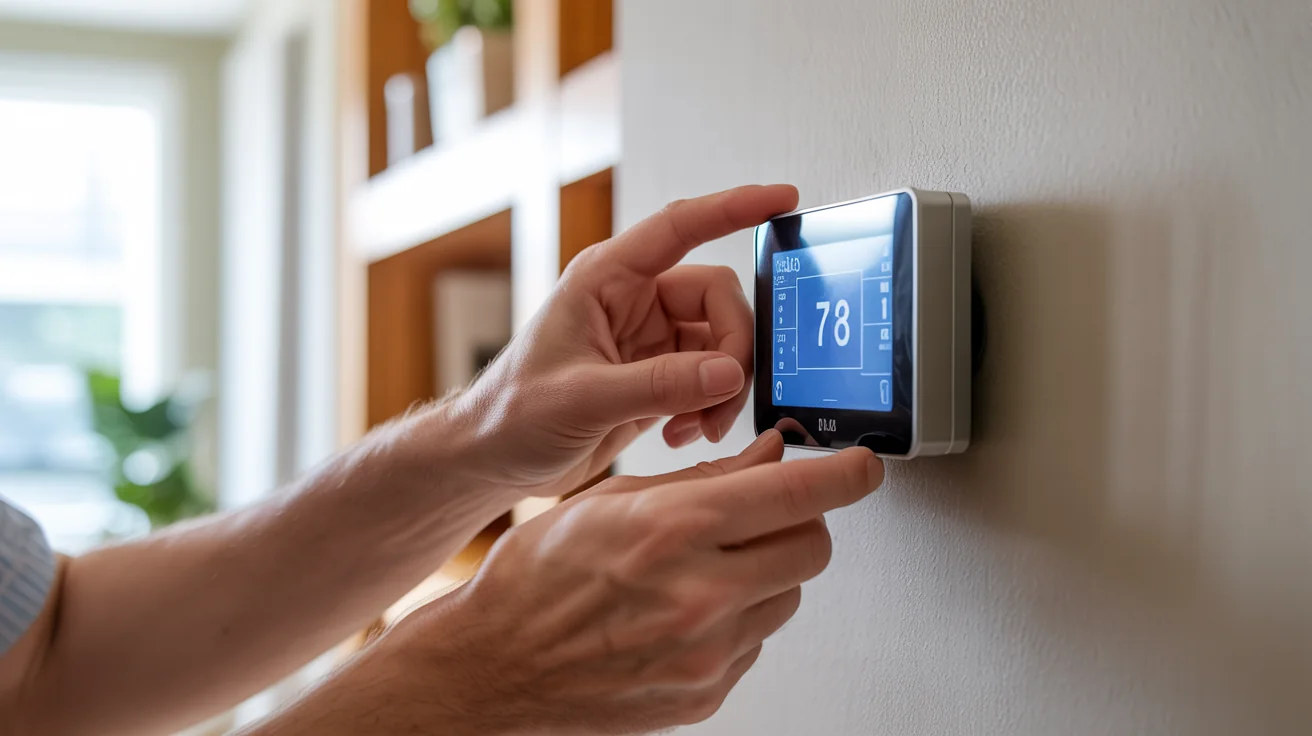
- Set it to OFF - not “cool” on a high temp, actually OFF
- Switch the fan to AUTO - you don’t want it running nonstop with no cooling
- Leave the temperature at a moderate setting - if you end up using the system for heat this winter, you’ll want a reasonable number already dialed in
- Swap the batteries - old batteries die over winter and your thermostat loses all its programming. Two AA batteries now save you a headache later
If You’ve Got a Smart Thermostat:
Switch it to winter/heating-only mode if that’s an option. Pull any cooling schedules off the calendar but keep your heating schedule active. Keep it connected to WiFi so you can monitor things from your phone. If you’re not sure how to adjust the seasonal settings, I’m happy to walk you through it or handle it during a service call.
Electrical System Protection
About Your Circuit Breakers:
This is where people make mistakes. Leave the main breakers ON. Your heating system, your thermostat, and your controls all need power. If you flip the wrong breaker, you might kill your furnace right when you need it most. For the outdoor condenser, you can think about pulling the disconnect switch, but that depends on your setup and your local conditions. Have someone look at the electrical connections while you’re at it - loose wires and corroded terminals don’t fix themselves over winter.
Specific Components to Think About:
If you have a condensate pump, it might still need power for your heating system’s drainage. Your control board and thermostat obviously need to stay powered. And you want to be able to restart the AC if we get one of those freak warm spells. Don’t cut yourself off from that option.
Outdoor Unit Winter Protection
Prepping the Equipment:
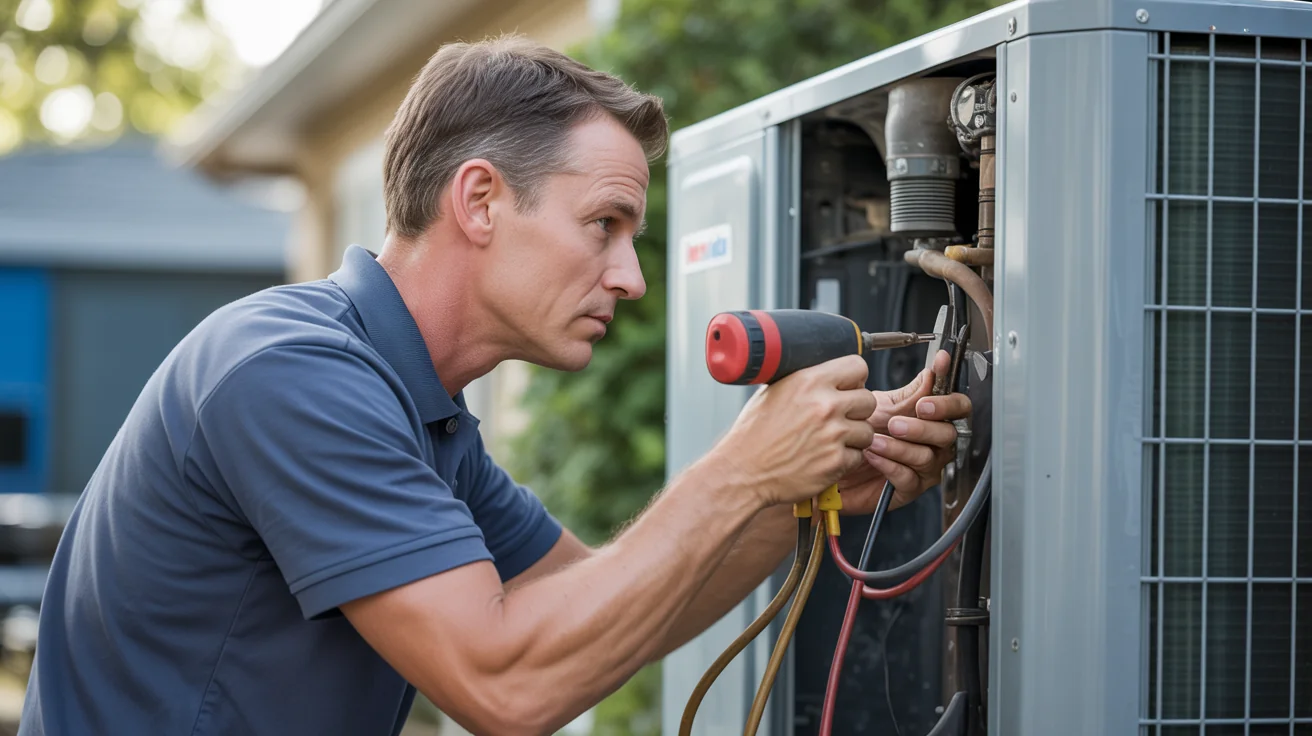
Hose down the condenser coils and get all the leaves, grass clippings, and gunk out. I can’t tell you how many units I open up in spring that are basically composting inside. Inspect the whole thing while you’re out there. Look for loose panels, bent fins, anything that doesn’t look right. Check the refrigerant line insulation and make sure the lines are still properly supported. Tighten any electrical connections you can see.
Dealing with the Environment:
Clear a good two feet of space around the unit. Rake the leaves, trim the bushes back, move anything that could blow into it during a storm. Make sure water drains away from the equipment, not toward it. And here’s my strong opinion on covers: skip them. In North Texas, a cover traps moisture and becomes a condo for rodents. The unit is built to handle weather. Just keep it clean and clear.
Indoor System Maintenance
Air Handler and Ductwork:
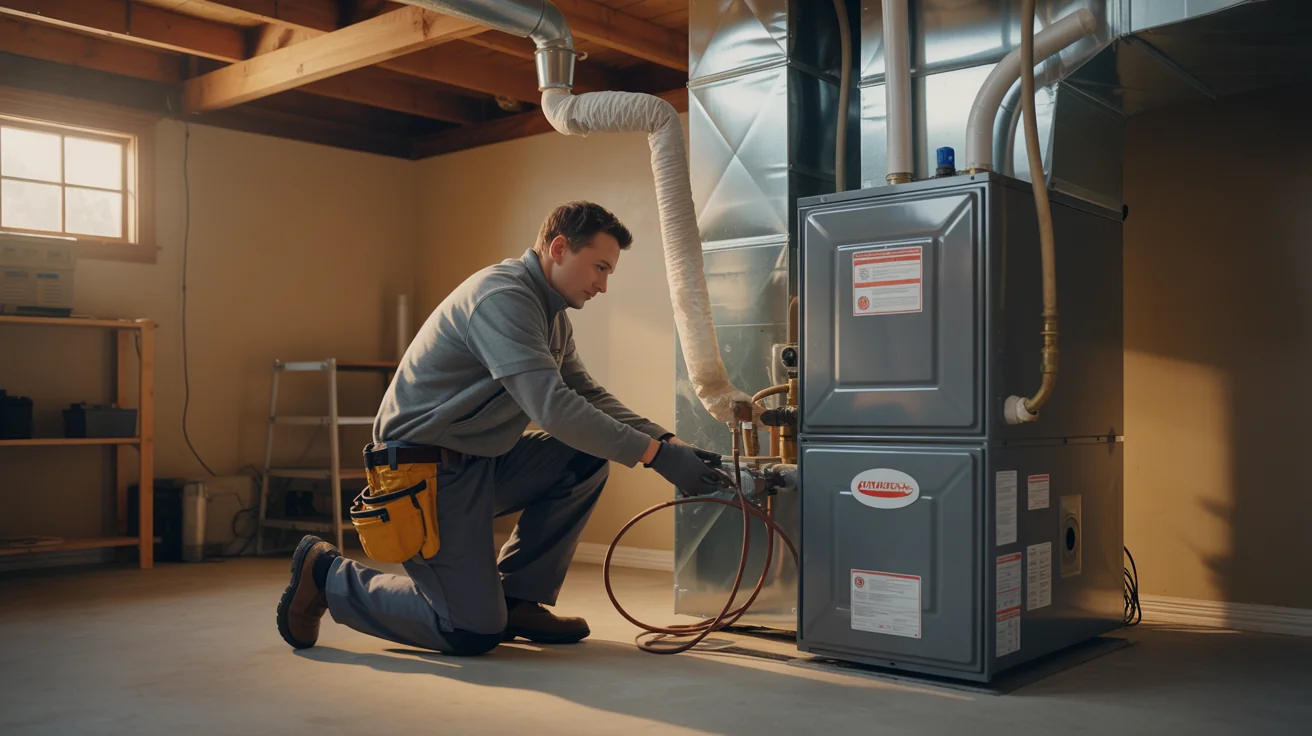
Put in a fresh filter. Whether you’re switching to heat or the system will sit idle, a clean filter matters. While you’ve got access, look at the blower compartment. Dust buildup in there reduces airflow for your heater too. Peek at whatever ductwork you can see for obvious damage, disconnected joints, or signs that mice have been chewing. And clean the drain pan - standing water in a drain pan over winter becomes a mold factory.
Other Indoor Components:
Take a look at your evaporator coil if you can access it. You’re looking for excessive dirt or any damage. Make sure the condensate drain flows freely. Pour some vinegar down it. If you have indoor air quality equipment like a UV light or air purifier, check that it’s still functioning or powered down correctly. A professional can do a thorough evaluation of all the indoor stuff during a shutdown service.
Professional vs. DIY Shutdown Procedures
Professional End-of-Season Service Benefits
What a Pro Shutdown Gets You:
A trained tech evaluates the whole system and catches issues you’d never notice. We’re looking for wear patterns, early signs of failure, things that’ll become big problems by spring. Preventive maintenance at this stage costs a fraction of what it costs to fix something that broke because nobody caught it. Plus we document everything so there’s a clear record of your system’s condition going into winter.
Why It’s Worth Paying For:
I’ll be honest: I spot things homeowners miss all the time. Not because homeowners aren’t capable - you just don’t look at these systems 6 days a week like I do. We follow manufacturer procedures, use professional-grade testing equipment, and keep your warranty intact. That last part matters more than people realize. A lot of manufacturers require documented professional maintenance to honor warranty claims.
Safe DIY Shutdown Steps
If You Want to Handle It Yourself:
- Turn off cooling at the thermostat. If you feel comfortable, pull the outdoor disconnect too
- Clean the outdoor unit - remove debris and gently hose down the coils from the outside in
- Put in a new filter - fresh one for winter
- Clear the drain line - vinegar flush works great
- Take photos - snap a few pictures of your equipment so you have a reference point for spring
A Few Safety Notes:
Don’t touch electrical components. Don’t spray harsh chemicals on your coils (coil cleaner is fine, but bleach and household cleaners can damage the fins). Know your limits. If something looks off or you’re not sure what you’re looking at, stop and call a pro. That’s not weakness, that’s smart.
When Professional Service is Essential
You Definitely Need a Pro If:
You have a heat pump. The seasonal transition on those is more involved than a standard system, and doing it wrong can cause real damage. Zoned systems need professional balancing and control adjustments that require specialized tools. High-efficiency equipment has manufacturer-specific procedures. And if your system is still under warranty, professional maintenance is usually required to keep coverage active.
Red Flags That Mean “Call Someone”:
Weird noises toward the end of the cooling season. Anything visible that looks damaged or off. An older system that’s been acting up. Declining performance or higher bills compared to previous years. Any of those warrant professional eyes before you button things up for winter.
Winter AC System Monitoring and Care
Periodic Winter Inspection
Quick Monthly Checks (Takes 5 Minutes):
Walk out and look at your outdoor unit once a month. You’re looking for anything obvious - storm damage, things piled against it, ice formation, or signs that an animal has taken up residence. Keep the area clear. Watch for moisture pooling around the base, especially after storms. If you see evidence of mice or squirrels messing with the unit, deal with it now. Don’t wait until spring.
After Bad Weather:
North Texas gets some nasty storms in winter. After any significant weather event, go look at your equipment. Check that it’s still sitting level, that nothing blew into it or fell on it, and that it’s not sitting in standing water. Ice storms are the big one. Ice accumulation on a condenser can bend fins and damage coils.
Maintaining Heating System Integration
When Your Systems Share Components:
If you have a heat pump, it runs year-round for both heating and cooling, so there’s no “shutdown” in the traditional sense. But even split systems share ductwork and often the air handler. Keep changing your filter through heating season. Every 30-60 days, same as summer. The duct system that carries your cool air also carries your warm air, and a dirty filter hurts both.
Why This Connection Matters:
Taking care of shared components during winter directly affects how well your AC performs when spring arrives. It’s all connected. A system that was well-maintained through heating season starts up cleaner and runs more efficiently when you switch back to cooling.
Spring Startup Preparation During Winter
Pre-Season Planning
Use Winter to Get Ahead:
This is the time to schedule your spring startup service. Do it in January or February while our schedule is still open. By March, everyone remembers their AC exists and appointment slots fill up fast. If you know something needs repair or replacement, winter is the time to plan it. Parts are available, technicians aren’t slammed, and you’re not sweating through a 95-degree day while you wait for a part to ship.
Thinking About Upgrades?
Winter is honestly the best time to consider equipment upgrades. Need a more efficient system? Want a smart thermostat? Thinking about adding a zone? Plan it now, price it out, get it on the schedule. You’ll have better availability and often better pricing than you would during the spring rush.
Early Warning System Monitoring
Staying Aware Through Winter:
Keep an eye on weather forecasts. If a warm spell is coming, you want to know your system can restart if needed. Periodically check on the unit’s condition. If you notice something changing or deteriorating, call your HVAC tech sooner rather than later. Catching a problem in February is infinitely better than discovering it in April when the phone is ringing off the hook.
Getting Ready for Spring:
Book your spring startup appointment early. I can’t stress this enough. Make sure any parts you know you’ll need are ordered and available. Keep notes on anything you observed during winter - unusual sounds, moisture issues, whatever. All of that helps your tech do a better job when spring service time comes around.
Regional Texas Considerations for AC Shutdown
North Texas (DFW Metroplex) Shutdown
What’s Different Up Here:
Our winter weather is wildly unpredictable. You need to be able to restart your system on short notice. If you live closer to the city center, the urban heat island can push your cooling season a couple weeks longer than someone out in the suburbs. We also get some serious storms between November and March, so equipment protection matters. And our winters are humid enough that moisture-related issues are a real concern even when it’s cold.
Best Practices for Our Area:
December is usually the sweet spot for shutdown timing in North Texas, though November works in cooler years. Make sure your heating transition is smooth before you stop thinking about the AC. Take advantage of the slower fall and winter schedule to book service. And protect your equipment from our occasional ice storms and high winds.
East Texas Shutdown Considerations
Humidity Is the Problem:
East Texas humidity doesn’t quit just because summer’s over. That lingering moisture affects dormant equipment more than most people realize. Mold can take hold in a system that’s sitting idle in a humid environment, and the extended mild weather near the Louisiana border means your cooling season runs longer. Professional moisture control during shutdown is worth the money out there.
Central and South Texas Adaptations
Longer Season, Different Strategy:
If you’re in Central Texas, your shutdown timing runs later. December into early January is typical. You might want a partial shutdown approach where you leave the system capable of running but reduce how often it cycles. South Texas residents may be looking at nearly year-round operation. Heat pump systems make more sense down there for that reason. Talk to your HVAC tech about what shutdown strategy actually makes sense for your specific location rather than following generic advice.
Cost-Benefit Analysis of Proper Shutdown
Professional Service Investment
What Does It Actually Cost?
Basic shutdown service runs $120-200 for a standard residential system. If you want the full treatment with cleaning, inspection, and tune-up, that’s $200-350. If we find problems that need fixing, you’re looking at $250-400 depending on what’s going on. But consider this: that $200 service typically prevents $500-2,000 in spring startup repairs. I’ve seen it save people upward of $5,000 in worst-case scenarios.
What You Get for That Money:
You avoid costly spring surprises. Your equipment lasts longer because it’s being properly cared for. It runs more efficiently the following season. And your manufacturer warranty stays valid. That’s a lot of value from a couple hundred bucks.
DIY Shutdown Savings and Limitations
The DIY Math:
You’ll spend 3-4 hours doing a thorough shutdown yourself, plus $50-100 on filters and cleaning supplies. That’s real savings over a professional service. But you do take on some risk. You might miss a developing problem that a pro would catch. Complex systems really shouldn’t be DIY’d.
When DIY Makes Sense:
If you’ve got a straightforward, simple system. If a pro already serviced it recently and everything was in good shape. If you have some experience with basic HVAC maintenance and know what you’re looking at. And even then, keep a relationship with an HVAC company. You’ll want a pro in your corner when something goes sideways.
Common End-of-Season Mistakes to Avoid
Shutdown Timing Errors
Shutting Down Too Early:
I see this in October sometimes. Someone feels the first cool morning and kills the system. Then we get three more weeks of warm weather and they’re either miserable or restarting the system over and over. That cycling is worse than just leaving it on. Wait for consistently cool weather. Be patient.
Waiting Too Long:
On the flip side, running your AC deep into December when it’s genuinely cold outside wastes energy and stresses the equipment. Your AC is designed to dump heat from inside to outside. When it’s already cold outside, the system operates inefficiently and the temperature differential puts unnecessary strain on the compressor.
Improper Protection Measures
Not Cleaning Before Shutdown:
Dirty coils sitting all winter get worse, not better. Leaves and debris trapped in the unit hold moisture against metal surfaces and accelerate corrosion. A neglected filter lets dust settle through the entire system. And a clogged drain line becomes a stagnant water problem that breeds mold.
Electrical Mistakes:
The big one is killing power to the whole system and accidentally shutting off your heat. I get calls about this every year. Someone flips a breaker marked “HVAC” thinking it’s just the AC, and it also controls their furnace. Also be careful not to mess up your thermostat settings. Losing your programming is annoying. Accidentally disabling a safety feature is dangerous.
Monitoring and Maintenance Neglect
The “Set It and Forget It” Problem:
You’d be amazed how many people shut down their AC and don’t look at it again until April. Five months of zero monitoring. Storms come through and nobody checks for damage. A rat chews through a wire in January and nobody knows until spring startup fails. Even five minutes a month of visual inspection can save you hundreds of dollars.
Frequently Asked Questions
When should I shut down my AC system for the season in Texas?
It depends on where you are. North Texas (that’s us) usually hits the shutdown window mid-November to early December when daytime highs consistently stay below 70°F. Central Texas runs a bit later, late November through late December. South Texas might not get a real shutdown window at all some years. The key is watching your extended forecast for 7+ consecutive days below 70°F before committing.
A quick call to your HVAC tech can help nail down the right timing for your specific area.
Should I turn off power to my AC unit completely?
Turn off cooling mode at the thermostat. That’s the first step and it’s always safe. But leave the main power on if your system shares components with your heater, which most systems do. If you have a heat pump, definitely keep power on - it needs electricity to heat your home. The outdoor disconnect switch is a judgment call based on your specific setup. When in doubt, ask your HVAC tech before flipping anything.
Do I need professional service for end-of-season shutdown?
For heat pumps, zoned systems, and high-efficiency equipment? Yes, I’d strongly recommend it. The transition procedures are more involved and mistakes can be costly. For a simple, straightforward system in good condition, a capable homeowner can handle basic shutdown steps. But professional service catches things you won’t see and keeps your warranty intact. It’s cheap insurance.
How do I protect my outdoor AC unit during Texas winters?
Clear all leaves, branches, and debris from around the unit. Clean the coils so they’re ready for spring. Inspect for any damage or signs of wear. Make sure water drains away from the equipment base. That’s really it. I don’t recommend covering units in North Texas. Covers trap moisture and attract rodents, which causes more problems than they prevent.
What maintenance should I perform during winter months?
Do a quick visual check once a month. Walk out, look at the unit, make sure nothing’s piled up against it and no critters have moved in. After any big storm, check for damage. Keep changing your air filter on schedule since your heating system uses the same filter and ductwork. And stay in touch with your HVAC company so you can book spring service before the rush.
How much does professional end-of-season service cost?
A basic shutdown runs $120-200. Full maintenance with inspection and cleaning costs $200-350. If there are problems to fix, that can go up to $250-500 depending on what’s wrong. Spring startup prep runs $300-600 for the whole package. Sounds like a lot? Consider that proper shutdown typically prevents $1,000-5,000 in spring repair bills. The math works out pretty clearly in favor of the maintenance.
Professional End-of-Season AC Protection
Your AC is one of the most expensive things in your house. Protecting it during the off-season takes a couple of hours and a little bit of planning, and it pays for itself many times over.
Why Jupitair for Seasonal Service:
I’ve been working on Texas AC systems for over 15 years. I know what our climate does to equipment and I know what it takes to protect it. We handle the full shutdown process, from cleaning and inspection to making sure your system is buttoned up and ready to fire right back up when spring hits. The whole point is catching small problems now instead of paying for big ones later.
Ready for professional AC protection? Call (940) 390-5676 or contact us online for end-of-season shutdown service, winter maintenance, or spring startup prep.
A $180 service now beats a $5,000 surprise in March. Every single time.
Sources & References
The AC shutdown procedures and equipment protection guidelines in this article are based on the following authoritative sources:
- U.S. Department of Energy - Maintaining Your Air Conditioner - Seasonal AC maintenance and protection
- ENERGY STAR HVAC Care - Off-season equipment maintenance
- EPA Refrigerant Information - Refrigerant system protection and care
- ACCA Seasonal Service Standards - Professional shutdown procedures
- ASHRAE Equipment Guidelines - HVAC equipment storage and protection
Last Updated: January 2026
Need Professional HVAC Service?
Our certified technicians are ready to help with any HVAC needs in North Texas