
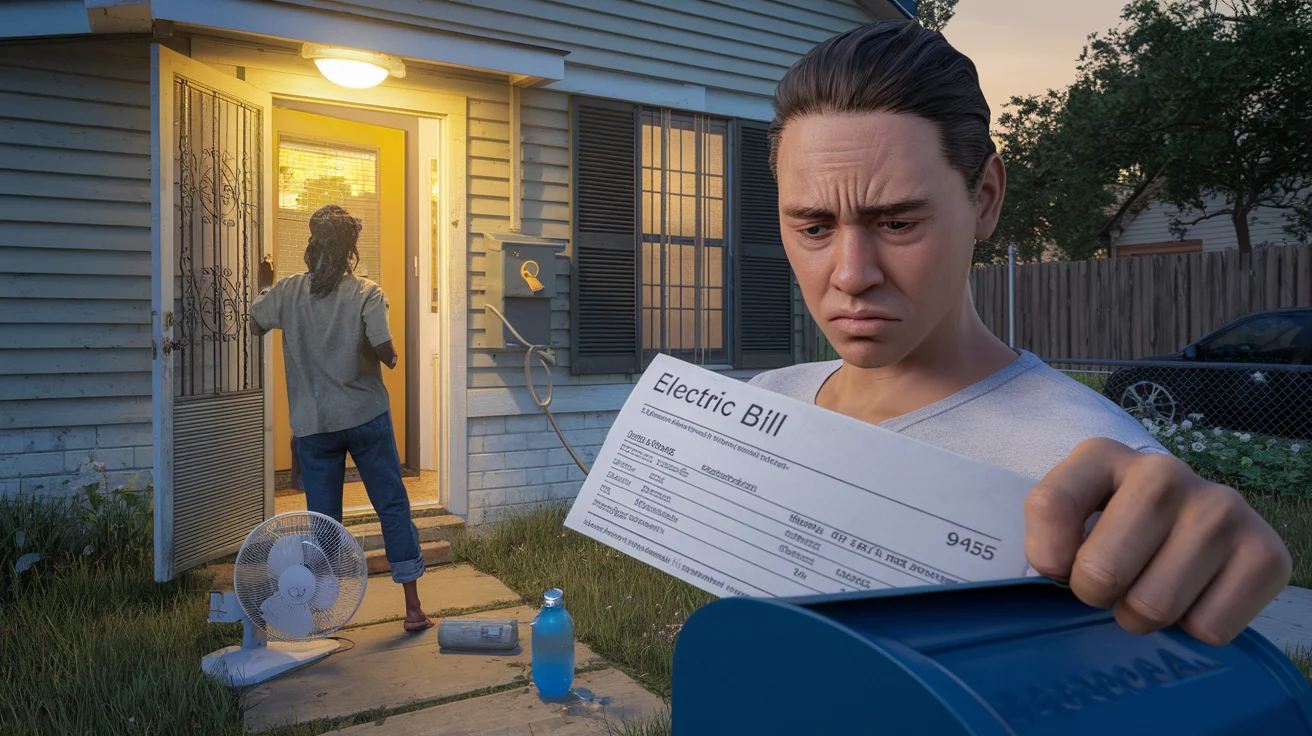
This rate-versus-consumption paradox explains why July electric bills in North Texas can exceed $300 even though Texas homeowners pay less per kilowatt-hour than homeowners in California, New York, or New England.
The U.S. Energy Information Administration tracks electricity prices, consumption, and bills for every state. Here's what the data reveals about why North Texas summer bills reach the levels they do.
Texas Electricity Rates: Below Average
Texas residential rates sit among the lowest in the nation — typically in the bottom 10-15 states by price per kWh.
| State | Rate (¢/kWh) | vs. National Avg |
|---|---|---|
| Hawaii | 42.76¢ | +160% |
| California | 31.12¢ | +89% |
| New York | 24.31¢ | +48% |
| U.S. Average | 16.48¢ | Baseline |
| Texas | 14.94¢ | -9% |
| Oklahoma | 11.52¢ | -30% |
Source: U.S. Energy Information Administration Electric Power Monthly, Table 5.6.a
Source: ElectricRates.org · Data: U.S. EIA
Source: ElectricRates.org · Data: U.S. EIA
Texas Consumption: Far Above Average
| State | Monthly kWh | vs. National Avg |
|---|---|---|
| Louisiana | 1,202 | +39% |
| Texas | 1,096 | +27% |
| Florida | 1,104 | +28% |
| U.S. Average | 863 | Baseline |
| California | 532 | -38% |
Texas households use 233 more kWh per month than the national average, consuming 27% more electricity than typical American homes.
Peak summer months can see consumption 50-100% higher than spring or fall — driven almost entirely by air conditioning.
Source: ElectricRates.org · Data: U.S. EIA
The Math: Why Low Rates Still Mean High Bills
The Texas electricity cost paradox emerges from simple arithmetic: rate multiplied by consumption.
| State | Rate | × Consumption | = Monthly Bill |
|---|---|---|---|
| Hawaii | 42.76¢ | 508 kWh | $217.22 |
| California | 31.12¢ | 532 kWh | $165.56 |
| Texas | 14.94¢ | 1,096 kWh | $163.74 |
| U.S. Average | 16.48¢ | 863 kWh | $142.26 |
Despite Texas rates running 9% below national average, Texas electric bills run 15% above national average because Texas consumption runs 27% higher.
Air Conditioning: The Dominant Cost Driver
AC Share of Home Energy by Region
| Region | AC % | Annual Cost |
|---|---|---|
| Pacific Northwest | 2% | ~$75 |
| Northeast | 4% | ~$180 |
| U.S. National | 6% | $265 |
| Texas | 18% | ~$525 |
| Florida | 28% | $540 |
AC Share by Month (Texas)
| Month | AC % of Electricity |
|---|---|
| April | 15-25% |
| May | 30-40% |
| June | 45-55% |
| July | 50-60% |
| August | 50-60% |
| September | 35-45% |
In July and August, air conditioning alone consumes more than half of total household electricity in most North Texas homes.
Source: ElectricRates.org · Data: U.S. EIA
SEER Efficiency: The Equipment Variable
An AC system's SEER rating directly determines how much electricity the system consumes for cooling. Higher SEER ratings mean less electricity consumption for the same cooling output.
| SEER Rating | Relative Efficiency | Annual Operating Cost* |
|---|---|---|
| SEER 10 | Baseline (old) | $481 |
| SEER 13 | +30% vs. 10 | $370 |
| SEER 16 | +60% vs. 10 | $301 |
| SEER 18 | +80% vs. 10 | $267 |
| SEER 20 | +100% vs. 10 | $240 |
*Based on 3-ton unit, 2,300 North Texas operating hours, ~$0.15/kWh. Homes in hotter South/West Texas can run 2,500-2,800+ annual cooling hours, increasing savings proportionally.
Considering an upgrade? See our SEER ratings guide to understand efficiency standards and our repair vs. replace calculator to determine if it's time.
Realistic Bill Expectations by Home Profile
| Home Profile | Typical Summer Bill |
|---|---|
| 1,500 sq ft, efficient AC, 78°F | $150-200 |
| 2,000 sq ft, average AC, 75°F | $200-275 |
| 2,500 sq ft, older AC, 72°F | $275-350 |
| 3,000+ sq ft, inefficient AC, 72°F | $350-450+ |
Summer bills 50-100% higher than spring/fall bills are normal in North Texas — driven by physics, not price gouging.
What North Texas Homeowners Control
High Control
- • Electricity rate (compare Texas electricity rates annually)
- • Thermostat settings
- • Usage timing
Medium Control
- • Equipment efficiency (at replacement time)
- • Home insulation (major project)
Weather: None. Plan for it, don't fight physics.
ERCOT and the Grid Stress Factor
Texas's Electric Reliability Council (ERCOT) operates the state grid that serves about 90% of Texas electric customers. In recent summers, ERCOT has repeatedly broken all-time demand records — the 85,432 MW peak set on August 10, 2023 held until August 20, 2024, when a run of 105°F days pushed demand to 85,544 MW. The 2025 summer peak came in lower, at 83,597 MW on August 18. Figures are hourly demand for the ERCO balancing authority in EIA Form 930.
For most homeowners on a fixed-rate plan, grid stress events don't directly change your bill. Your per-kWh rate is locked. But two indirect effects do matter:
- Variable/indexed plans get punished. During Winter Storm Uri (February 2021), wholesale prices hit the $9,000/MWh cap and some variable-rate customers received bills in the tens of thousands.
- Conservation appeals drive behavior change. ERCOT issues conservation alerts during tight grid conditions. Voluntarily raising your thermostat 2-4°F between 3-8 PM reduces strain and, on time-of-use plans, your cost.
See our ERCOT Grid & Your HVAC guide for backup strategies and demand-response context.
What North Texas Homeowners Can Actually Do
The diagnosis is straightforward; the fix is a layered strategy. Three actions deliver most of the savings available to you:
1. Adjust what you control today
Thermostat, setbacks, filters, and window management. Zero cost, $200-400 annual savings.
Lower your bill →2. Shop your electricity rate
Texas's deregulated market means you can cut your rate without touching the grid. $100-300 annual savings.
Shop rates →3. Tune your equipment
An unmaintained AC loses 5% efficiency per year. A spring tune-up restores it before peak load hits.
Schedule tune-up →Data Sources
- • U.S. Energy Information Administration (eia.gov)
- • U.S. Department of Energy (energy.gov)
- • ENERGY STAR (energystar.gov)
- • Electric Reliability Council of Texas (ercot.com)
- • Oncor Electric Delivery (oncor.com)