Air Duct Cleaning: Is It Worth It? Costs, Benefits, and What to Expect
Honest breakdown of air duct cleaning costs ($300-$1,000), when it's actually needed, and how to avoid scams. From an EPA-certified HVAC tech who tells you when NOT to spend the money.
- What Air Duct Cleaning Actually Involves
- The Real Cost of Air Duct Cleaning in North Texas
- When Duct Cleaning Is Actually Worth It
- When Duct Cleaning Is NOT Worth It
- The $99 Duct Cleaning Scam (and Other Red Flags)
- What Duct Cleaning Can (and Can’t) Fix
- How to Tell If Your Ducts Actually Need Cleaning
- What to Expect During Professional Duct Cleaning
+ 3 more sections below...
- What Air Duct Cleaning Actually Involves
- The Real Cost of Air Duct Cleaning in North Texas
- When Duct Cleaning Is Actually Worth It
- When Duct Cleaning Is NOT Worth It
- The $99 Duct Cleaning Scam (and Other Red Flags)
- What Duct Cleaning Can (and Can’t) Fix
- How to Tell If Your Ducts Actually Need Cleaning
- What to Expect During Professional Duct Cleaning
+ 3 more sections below...
Air Duct Cleaning: Is It Worth It? Costs, Benefits, and What to Expect
I’m going to tell you something most HVAC companies won’t: duct cleaning is not always worth the money. Sometimes it’s exactly what your home needs. Sometimes it’s a $700 waste. And a whole lot of companies out there are counting on you not knowing the difference.
I’ve been servicing HVAC systems across North Texas since 2008. I’ve crawled through attics in Frisco when it’s 140 degrees up there. I’ve pulled things out of ductwork that would make you lose your appetite. But I’ve also told plenty of homeowners to save their money because their ducts were fine. That honesty is what this guide is about.
Here’s everything you need to know about air duct cleaning cost, when it’s actually necessary, what the EPA really says, and how to spot the scams that flood North Texas mailboxes every spring.
What Air Duct Cleaning Actually Involves
Most people picture someone sticking a vacuum hose into a vent and calling it done. Real duct cleaning is a much bigger job than that.
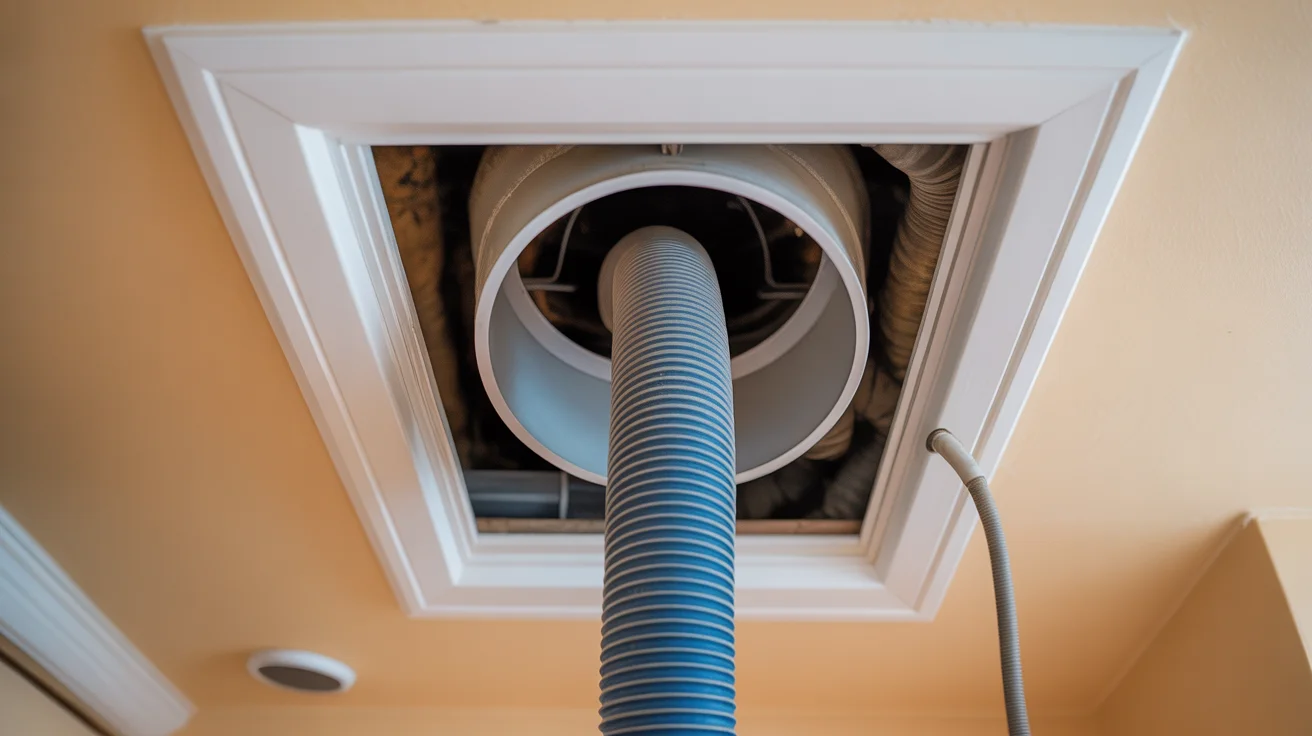
A proper HVAC duct cleaning involves accessing your entire duct system, supply and return sides, using truck-mounted vacuum equipment that creates negative pressure throughout the system. Technicians use rotating brushes, compressed air tools, and agitation devices to dislodge debris from duct walls. The process takes 3 to 5 hours for a typical 2,000 square foot home.
Here’s the basic sequence:
- Inspection of all supply and return registers, the air handler, and accessible ductwork
- Sealing registers to create negative pressure in the system
- Agitation using brushes and compressed air to loosen buildup
- Extraction via truck-mounted vacuum (not a shop vac, not a portable unit)
- Sanitizing (optional) with EPA-registered antimicrobial treatment
- Final walkthrough showing before-and-after photos of your ductwork
The truck-mounted equipment detail matters. Any company showing up with a portable vacuum cannot generate the suction needed to actually clean your ducts. That’s the first red flag I tell people to watch for.
The Real Cost of Air Duct Cleaning in North Texas
I get asked about air duct cleaning cost more than almost any other service question. Here’s what you should actually expect to pay in the Dallas-Fort Worth area in 2026.
| Home Size | Vent Count | Typical Cost | Time |
|---|---|---|---|
| 1,200-1,500 sq ft | 8-12 vents | $300-$450 | 2-3 hours |
| 1,500-2,500 sq ft | 12-20 vents | $450-$700 | 3-5 hours |
| 2,500-3,500 sq ft | 20-30 vents | $700-$1,000 | 4-6 hours |
| 3,500+ sq ft | 30+ vents | $1,000-$1,500 | 5-7 hours |
What drives the price up:
- More vents (most companies charge $25-$50 per vent on top of a base rate)
- Flexible ductwork (harder to clean than rigid metal, takes longer)
- Mold remediation (if testing confirms actual mold, add $500-$2,000)
- Dryer vent cleaning (usually bundled for $75-$150 extra, and actually worth it)
- Access issues (tight attic spaces, disconnected sections, long duct runs)
The average homeowner in Frisco or Plano pays between $450 and $700 for a thorough cleaning. If someone quotes you $99 for “whole house duct cleaning,” that’s not a deal. That’s the opening act of an upsell.
When Duct Cleaning Is Actually Worth It
This is where I have to be straight with you. The EPA’s official position is that routine duct cleaning has not been proven to prevent health problems. They don’t recommend it on a fixed schedule. That’s not something most duct cleaning companies want you to hear.
But the EPA does say duct cleaning makes sense in specific situations. Here are the times I genuinely recommend it:
Visible Mold Growth
If you can see mold on metal duct surfaces or on other components of your HVAC system, cleaning is necessary. North Texas humidity (especially spring and fall, when your AC cycles on and off) creates condensation inside ductwork. Homes in McKinney and Allen near creek areas are particularly vulnerable. I wrote about humidity challenges in our area and how they affect your whole HVAC system.
One important note: if someone claims you have mold in your ducts, ask for lab testing. Visual inspection alone is not reliable. Legitimate companies will test before recommending expensive mold remediation.
Rodent or Insect Infestation
Mice, rats, and insects leave droppings, nesting material, and carcasses inside ductwork. If you’ve had a pest problem (or you smell something when the system runs), duct cleaning is not optional. It’s a health issue.
I’ve pulled rat nests out of return air plenums in Prosper homes that were built less than five years ago. New construction doesn’t make you immune.
After Major Renovation
Drywall dust, sawdust, and construction debris get pulled into your duct system during remodeling. Even with the system off and registers taped, fine particles find their way in. If you just finished a kitchen remodel or added a room, get the ducts cleaned.
New Home Purchase
You don’t know what the previous owners did (or didn’t do). I’ve found everything from cigarette ash buildup to pet hair so thick it was restricting airflow by 30%. If you’re moving into a home and the ducts haven’t been cleaned in documented history, it’s a smart investment.
Visible Dust Blowing from Registers
If you can see dust puffs when your system kicks on, or if dust accumulates on furniture within days of cleaning, your ducts are likely the source. This is different from normal household dust. You’ll notice it concentrated around register openings.
When Duct Cleaning Is NOT Worth It
Here’s the part that costs me money to say, but I’d rather you trust me for the long run.
If your ducts look clean and your home doesn’t have obvious air quality problems, skip it. A well-maintained HVAC system with regular AC maintenance and filter changes will keep your ductwork in good shape for years.
Situations where I tell people to save their money:
- “It’s been 3 years since the last cleaning.” An arbitrary timeline is not a reason. Check the ducts first. If they look clean, they probably are.
- “My allergies are bad.” Duct cleaning alone rarely solves allergy problems. Your filter, humidity levels, and overall home sealing matter more. Upgrade to a MERV 13 filter first and see if that helps.
- “The duct cleaning company said my ducts are dirty.” Of course they did. Get a second opinion from your HVAC tech (someone who profits from repairs, not from cleaning).
- “I read you should clean them every 3-5 years.” That recommendation comes from NADCA, the trade association that represents duct cleaning companies. The EPA makes no such recommendation.
I probably talk three or four homeowners out of duct cleaning for every one I recommend it to. Your HVAC system has an air filter for a reason. If you change it regularly (every 60-90 days, or monthly during peak summer), your ducts stay surprisingly clean.
The $99 Duct Cleaning Scam (and Other Red Flags)
North Texas is ground zero for duct cleaning scams. Every spring, flyers show up in mailboxes across Plano, Frisco, and McKinney advertising “whole house duct cleaning for $99!” Let me explain exactly how this works.
The bait-and-switch: The $99 covers “up to 10 vents” with a portable vacuum. The technician arrives, does a quick pass, then “discovers” mold, excessive dust, or other problems requiring $800-$2,000 in additional services. The $99 was never the real price. It was the foot in the door.
Here are the red flags to watch for:
- Price under $300 for a whole house. It’s not possible to do the job properly at that price. Truck-mounted equipment, trained technicians, and 3-5 hours of labor have real costs.
- Cold calls or door-to-door solicitation. Legitimate duct cleaning companies don’t need to knock on your door.
- “Free inspection” that always finds problems. If every inspection results in a recommendation, it’s a sales pitch, not an inspection.
- No truck-mounted equipment. If they show up with equipment that fits in a minivan, they cannot create the negative pressure needed for proper cleaning.
- Service completed in under 2 hours. A real cleaning of a typical home takes 3-5 hours. If they’re done in 45 minutes, they cleaned your wallet, not your ducts.
- Scare tactics about mold. Showing you photos (especially stock photos on an iPad) of “what’s in your ducts” is a classic pressure move. Real professionals test, document, and explain calmly.
- No NADCA certification. While I have opinions about NADCA’s marketing claims, their certification does ensure technicians follow proper cleaning procedures. Ask for the company’s NADCA member number.
One McKinney homeowner told me she paid $1,800 after a $79 “special.” The company sprayed a fragrance into her ducts and called it antimicrobial treatment. Her ducts weren’t any cleaner, but they smelled like a department store for three weeks.
What Duct Cleaning Can (and Can’t) Fix
Let me set realistic expectations, because I’ve seen too many homeowners disappointed after spending $500-$700 expecting miracles.
What duct cleaning CAN do:
- Remove accumulated dust, pet hair, and debris from ductwork
- Eliminate odors caused by mold, pests, or buildup
- Restore airflow restricted by heavy debris accumulation
- Remove construction dust after renovation
- Improve conditions for people with severe dust allergies (when ducts are genuinely dirty)
What duct cleaning CANNOT do:
- Cure seasonal allergies (pollen enters through doors, windows, and clothing, not ducts)
- Significantly lower your energy bills (the efficiency gains are minimal in most cases, maybe 5-10% if ducts were severely clogged)
- Replace proper filtration (your filter does the heavy lifting, not clean ducts)
- Fix hot or cold spots in your home (that’s a duct design or insulation problem)
- Prevent dust from accumulating on furniture (dust comes from dozens of sources)
The companies promising 30% energy savings or “allergy-free homes” after duct cleaning are overselling. If your ducts are genuinely clogged with debris, you’ll notice improved airflow. But if your ducts were only moderately dusty, the difference will be subtle.
How to Tell If Your Ducts Actually Need Cleaning
Before you spend $300 to $1,000, do a quick self-assessment. This takes about 10 minutes and can save you a lot of money.
Step 1: Remove a supply register. Unscrew a register cover from a wall or ceiling. Look inside the duct with a flashlight. You should be able to see 12-18 inches in. Photograph what you find.
Step 2: Check the return air grille. Your large return vents (usually in hallways or common areas) collect the most debris. Remove the grille and look for buildup on the inside edges and first few inches of ductwork.
Step 3: Inspect the air handler. If you can safely access your indoor unit, check the blower compartment. A layer of dust on the blower wheel and housing is normal after a year. A thick, caked-on layer is not.
Step 4: Run the system and watch. Turn on the fan (set to ON, not AUTO) and hold a tissue near each supply register. If the tissue picks up visible dust particles or you see debris blow out, that’s a signal.
What you’re looking for:
| Finding | Action |
|---|---|
| Light dust coating | Normal. Change your filter and move on. |
| Thick dust, pet hair clumps | Consider cleaning, especially if 5+ years since last one |
| Visible mold (dark patches, musty smell) | Get professional inspection with lab testing |
| Pest droppings or debris | Clean immediately. Health hazard. |
| Construction dust/drywall | Clean after any major renovation |
If your self-assessment shows light dust and no other issues, you’re fine. Save the money for something that actually improves your air quality, like upgrading to a higher-rated filter or addressing humidity problems.
What to Expect During Professional Duct Cleaning
If you’ve decided cleaning is warranted, here’s what a legitimate job looks like.
The crew parks a truck-mounted vacuum in your driveway and runs a large hose to your main trunk line. They seal all registers except the one being actively cleaned, creating negative pressure that pulls debris toward the truck. Each vent gets individual attention with brushes and compressed air. The whole process takes 3-5 hours for a typical home.
To prepare: Clear 2-3 feet around all registers and your air handler. Secure pets in a closed room. Note which rooms have the worst dust so you can point them out.
What to demand afterward: Before-and-after photos of your actual ductwork (not stock images), a written invoice itemizing vents cleaned and services performed, and a new filter installed. This documentation matters if you need warranty service later.
The North Texas Factor: Why Our Ducts Get Dirtier
North Texas homes deal with conditions that most duct cleaning guides don’t mention, because they’re written for a national audience.
Construction dust is constant. New developments in Prosper, Celina, and north Frisco mean construction activity within a mile of your home for years. That fine particulate gets into your HVAC system even with good filtration.
Cedar pollen season is brutal. December through February, mountain cedar pollen counts in the DFW area can exceed 20,000 grains per cubic meter. Your HVAC system processes all of it. Over several seasons, it accumulates.
Extreme temperature swings cause condensation. When it’s 75 degrees on Monday and 35 degrees on Wednesday (a normal North Texas week), condensation forms inside ductwork. Moisture plus dust creates a sticky film that standard filtration doesn’t address.
Older homes in Plano and Allen have original flex duct. Homes built in the 1990s and early 2000s across Plano and Allen often have flexible ductwork that sags, collects moisture at low points, and traps debris. These ducts are harder to clean and degrade faster. If your flex duct is 20+ years old, cleaning may reveal that replacement is the smarter investment.
These factors don’t mean every North Texas home needs duct cleaning. They mean the conditions exist for ducts to get dirtier here than in drier, milder climates. Your self-assessment (from the section above) will tell you whether your specific home is affected.
My Honest Recommendation
After 18 years in this business, here’s my straightforward take on is duct cleaning worth it:
Clean your ducts when there’s a specific reason to. Mold, pests, renovation dust, a home purchase, or visible contamination. These are legitimate situations where spending $450-$700 makes sense and delivers real results.
Don’t clean your ducts on a schedule just because someone told you to. If you maintain your HVAC system properly (regular filter changes, annual AC maintenance, and addressing humidity issues), your ducts will stay clean for years.
If you do get them cleaned, choose carefully. Get three quotes. Verify NADCA certification. Confirm they use truck-mounted equipment. And never, ever respond to a $99 flyer.
I offer professional duct cleaning because some homes genuinely need it. But I’d rather be the guy who told you the truth and earned your trust for the next 15 years than the guy who sold you a service you didn’t need.
If you’re not sure whether your ducts need cleaning, give me a call at (940) 390-5676. I’ll walk you through the self-assessment over the phone and save you a trip fee. If your ducts do need attention, I’ll give you an honest quote with no surprises.
FAQ
How often should you get air ducts cleaned?
The EPA does not recommend a specific frequency for duct cleaning. NADCA suggests every 3-5 years, but they represent the duct cleaning industry. My recommendation: inspect your ducts annually when you get your AC maintained, and clean only when you find a specific issue (mold, pests, heavy debris, or post-renovation dust). Many well-maintained homes go 7-10 years between cleanings with no problems.
Does air duct cleaning really make a difference?
It depends entirely on the condition of your ducts before cleaning. If you have visible mold, heavy debris accumulation, or pest contamination, you’ll notice improved airflow, reduced odors, and better air quality immediately. If your ducts had only light dust (which is normal), the difference will be minimal. The biggest impact comes from addressing a known problem, not from routine maintenance cleaning.
Can I clean my own air ducts?
You can clean the visible portions of your ducts near register openings using a vacuum with a long hose attachment. Remove each register cover, vacuum as far as you can reach (usually 2-3 feet), and wipe down the register itself. But you cannot replicate professional truck-mounted cleaning for the full duct system. The equipment generates 10,000-15,000 CFM of suction. Your home vacuum generates about 100 CFM. For light maintenance, DIY works. For actual cleaning, call a professional.
Is $99 duct cleaning legitimate?
No. The cost of truck-mounted equipment, trained technicians, and 3-5 hours of labor makes it impossible to clean an entire duct system for $99 and stay in business. These offers are designed to get a technician into your home who will then “find” problems requiring hundreds or thousands of dollars in additional services. The average legitimate duct cleaning in the DFW area costs $450-$700. If someone is offering the service at 80% below market rate, ask yourself why.
Does duct cleaning help with allergies?
Duct cleaning can help if your allergy symptoms are caused by specific contaminants in your ductwork (pet dander accumulation, mold spores, or pest debris). But most seasonal allergy symptoms come from pollen that enters through doors, windows, and on your clothing. Upgrading your air filter to MERV 13, controlling indoor humidity between 40-50%, and keeping windows closed during high pollen days will do more for allergies than duct cleaning in most cases.
What’s the difference between duct cleaning and duct sealing?
Duct cleaning removes debris from inside your ducts. Duct sealing closes gaps and leaks in the duct system itself. In most North Texas homes, duct sealing delivers a bigger return on investment than duct cleaning. The average home loses 20-30% of conditioned air through duct leaks. Sealing those leaks costs $300-$600 and can reduce your energy bills by 15-20%. If your ducts are leaking, clean them first, then seal them.